

Texas DPS installs license plate readers across Central Texas
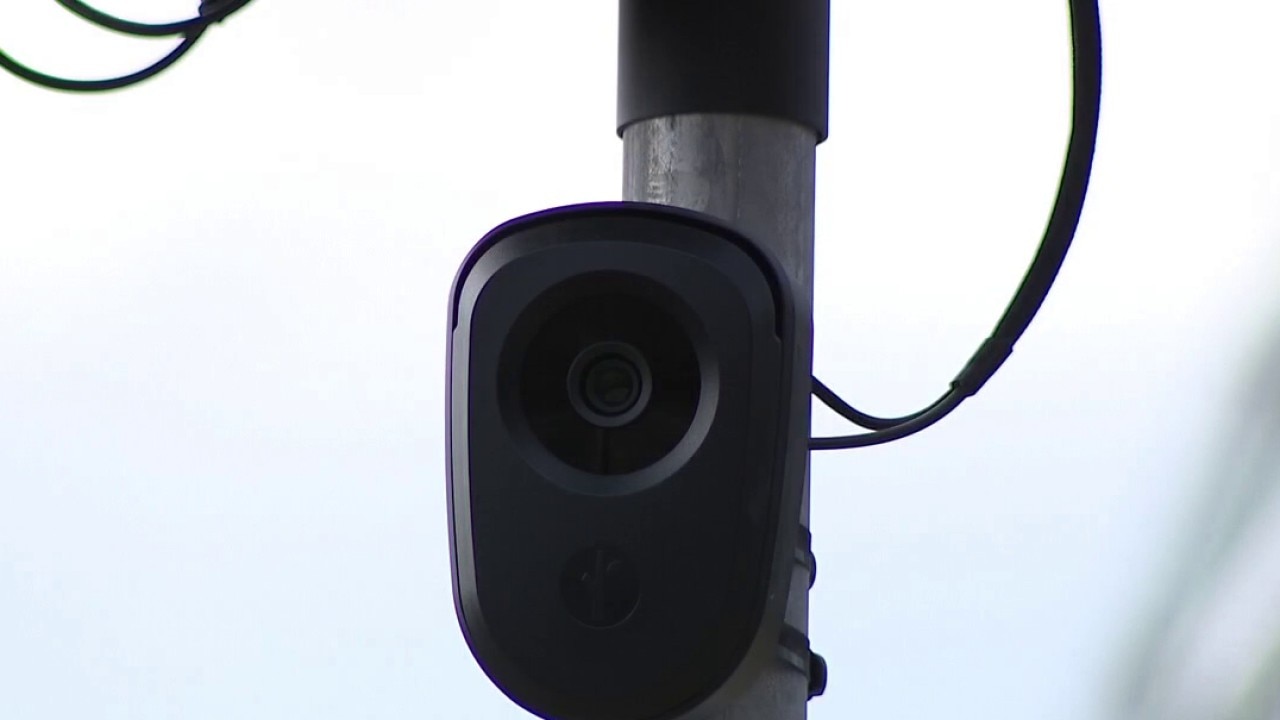
DPS gives update on license plate reader program
Earlier this month, DPS installed license plate readers along several state rights-of-ways. Now, we’re learning which agencies can access that data.
AUSTIN, Texas - Earlier this month, DPS installed license plate readers along several state rights-of-ways. Now, we’re learning which agencies can access that data.
The City of Austin ended its license plate reader program last summer over privacy concerns.
But while Austin no longer participates, many neighboring agencies do.
What they're saying:
More than 120 agencies across the state have access to the DPS database, including departments in Cedar Park, Hutto, Marble Falls, New Braunfels, Round Rock, Elgin, Kyle, Bastrop, and Burnet.
"They've historically been a very powerful tool for law enforcement, for obtaining leads, for tracking stolen vehicles, and for solving sometimes violent crime. And so, they have been a powerful tool. And helping us also overcome some of our staffing challenges as a force multiplier," said Michael Bullock, Austin Police Association President.
DPS says the cameras can help locate missing people, recover stolen property, identify suspicious vehicles, among others.
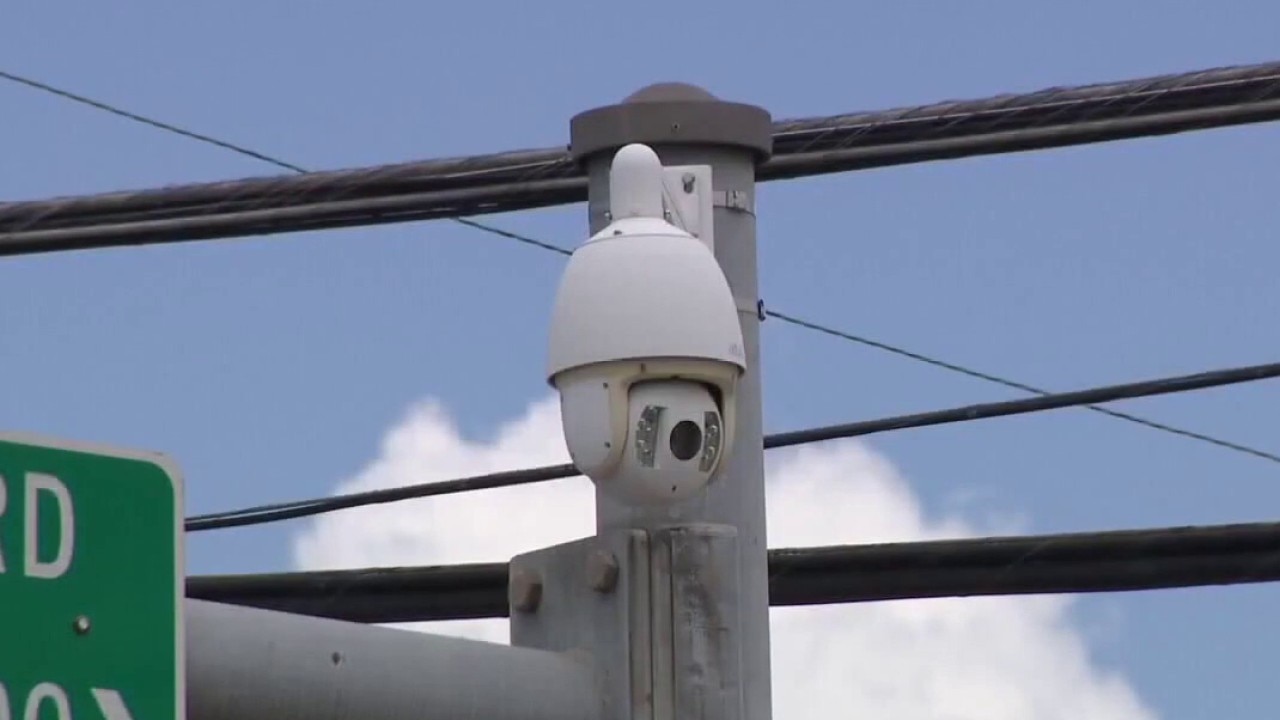
PREVIOUS COVERAGE: Texas DPS installs license plate readers in Austin
Texas DPS has installed automated license plate readers (ALPRs) within several state rights-of-way in Austin.
In 2022, Austin City Council granted APD the authority to use "Flock" cameras. But the program was later dropped amid concerns about how data was being used.
"Aside from just the back and forth, it is losing the tool at all. So that's been detrimental to some of the efforts of our investigative workers and patrol officers that are out there trying to recover people's property," said Bullock.
APD says it does not have a contract with any automated license plate reader company and cannot access the database.
However, during a joint investigation, if a partner agency has access to the database, APD says that agency may share information from the database, but it would be limited to that investigation.
"This idea that like, sure, if we take away everyone's privacy, and we monitor everything they're doing all the time, we will crack down on crime, but that's coming at a cost. And it's coming at a cost to people's individual liberty and to their privacy," said Jared McClain, attorney for the Institute for Justice.

PREVIOUS COVERAGE: Several CTX cities removed license plate readers
License plate readers played a key role in catching the Brown University shooting suspect, but several Central Texas cities recently got rid of theirs.
Jared McClain, an attorney with the Institute for Justice, argues the system allows police to search vehicle data without a warrant, raising Fourth Amendment concerns.
"The person who's supposed to decide whether there's a real reason to conduct the search is a neutral and detached magistrate. They're supposed to go to a judge. So that way, we're not just relying on the goodwill and the good faith of law enforcement to police themselves," said McClain.
DPS says the readers have already led to multiple arrests this month, including alerts for a kidnapping suspect, a traffic stop that resulted in the seizure of six pounds of methamphetamine, and a stolen vehicle connected to a sexual assault and shooting investigation.
DPS says only law enforcement partners who have signed agreements have access to the footage.
The Source: Information from interviews conducted by FOX 7 Austin's Jenna King