

Austin City Council approves 'Dog's Head' development as many express opposition
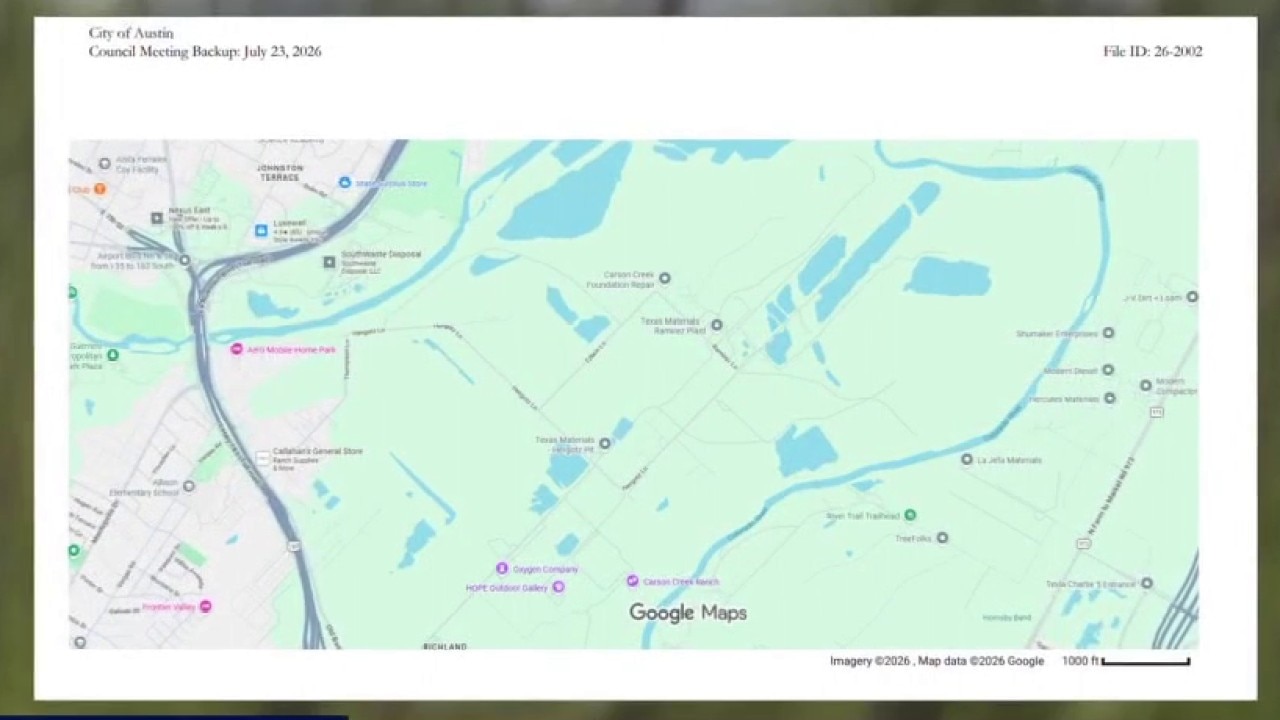
Austin City Council discusses 'Dog's Head' development
The City of Austin said "Dog's Head" will help economically, but others are staunchly opposed, arguing it only benefits developers.
AUSTIN, Texas - On the Austin City Council's agenda Thursday, there were multiple items about developing an area called "Dog's Head" in East Austin.
The city says this will help economically, but others are staunchly opposed, arguing it only benefits developers.
The Latest:
Council approved all seven items related to Dog's Head.
Andy Pastor, managing principal of Endeavor Real Estate Group which is behind the development, issued a statement:
"We're grateful to the Mayor and City Council for recognizing the opportunity this project represents for Austin. Today's vote was an important milestone, but it's only the beginning of a thoughtful engagement process.
Dog's Head will transform previously disturbed industrial land into a project that expands public access to the Colorado River, restores previously mined land, creates jobs, invests in infrastructure and strengthens Austin's tax base.
We appreciate everyone who participated in this process and look forward to continuing to work with the city while engaging with the community as the project moves forward."
The backstory:
Dog's Head is an area of approximately 2,645 acres surrounded by the Colorado River, U.S. Highway 183, and State Highway 130 that's shaped like a dog's head. The area used to be a sand and gravel mining site. It was annexed by the city in May.
In Thursday's council meeting, council members discussed taking part in a tax increment reinvestment zone (TIRZ) which means as property values and taxes in the area rise in increments, that goes into a fund to pay for the cost of building infrastructure.
On Tuesday, the city said Amazon would be a tenant.
The other side:
On Thursday morning, those in opposition protested outside City Hall. They're worried about environmental impacts, possible displacement, and the benefits going to large companies. They also say there was not enough communication.
"Every place that our city government has failed us in the sense that they didn't respond, they didn't give us guidance, they didn't give us any information on how to navigate the city processes," Garrett Tung, who lives on Hergotz Lane in Dog's Head, said. "We can't just develop for the sake of development. We all chose to call this place home. That's for a reason."
"Will they vote with the people, will they vote for the environment, or will they vote for developers?" Susana Almanza, executive director of PODER said during the protest.
The city says this will be an economic opportunity to expand its tax base. The area would be mixed-use with housing and businesses.
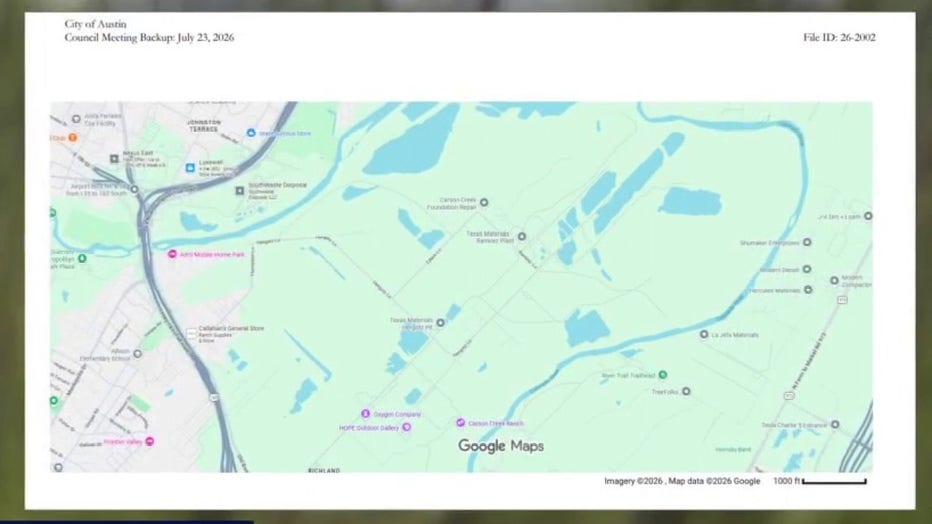
"Dog's head" development
Richard Suttle, a representative from Endeavor, said during public comment during the meeting:
"Endeavor takes the risk, installs the infrastructure, and if and only if the assessed valuation of the property goes up and if and only if the tax value is enough to support a reimbursement, then get reimbursed not for all of it, but a portion of the infrastructure they put in the ground," he said.
Meanwhile, people who live in the area are continuing to fight back.
"We have been working with attorneys. If the city were to ultimately declare eminent domain on our homes, that would be something we would pursue," Tung said. "Whether this gets approved or not, they need to know that Austinites are not okay with environmental destruction, with data centers, with just giving $1.2 billion to billionaires."
The Source: Information from an Austin City Council meeting