

Austin City Council removes agenda item to vote on AI security cameras at city parks

Vote on AI cameras at parks postponed amid protest
Austin City Council removed the agenda item to vote on artificial intelligence security cameras at city parks. Protesters who oppose AI surveillance called the decision a "temporary victory."
AUSTIN, Texas - Austin City Council removed an agenda item on Tuesday during a work session that had been scheduled for a vote later this week.
The decision did not stop protesters from gathering with signs and megaphones to celebrate what they called a "temporary victory." The group opposes artificial intelligence surveillance at Austin parks and pools.
Though the council won’t consider the item on Thursday, the issue appears far from resolved.
The backstory:
"It’s the Live View Technologies contract, and it was pulled in the last hour from the agenda," said a protester.
The council has considered investing in security cameras to reduce vehicle break-ins at parks.
"It is difficult to understand how spending $2 million on AI cameras that issue commands to park-goers and robot voices actually translate to greater safety for Austinites," said a protester.
The five-year contract would cost about $400,000 annually, funded through the Parks and Recreation Department budget.
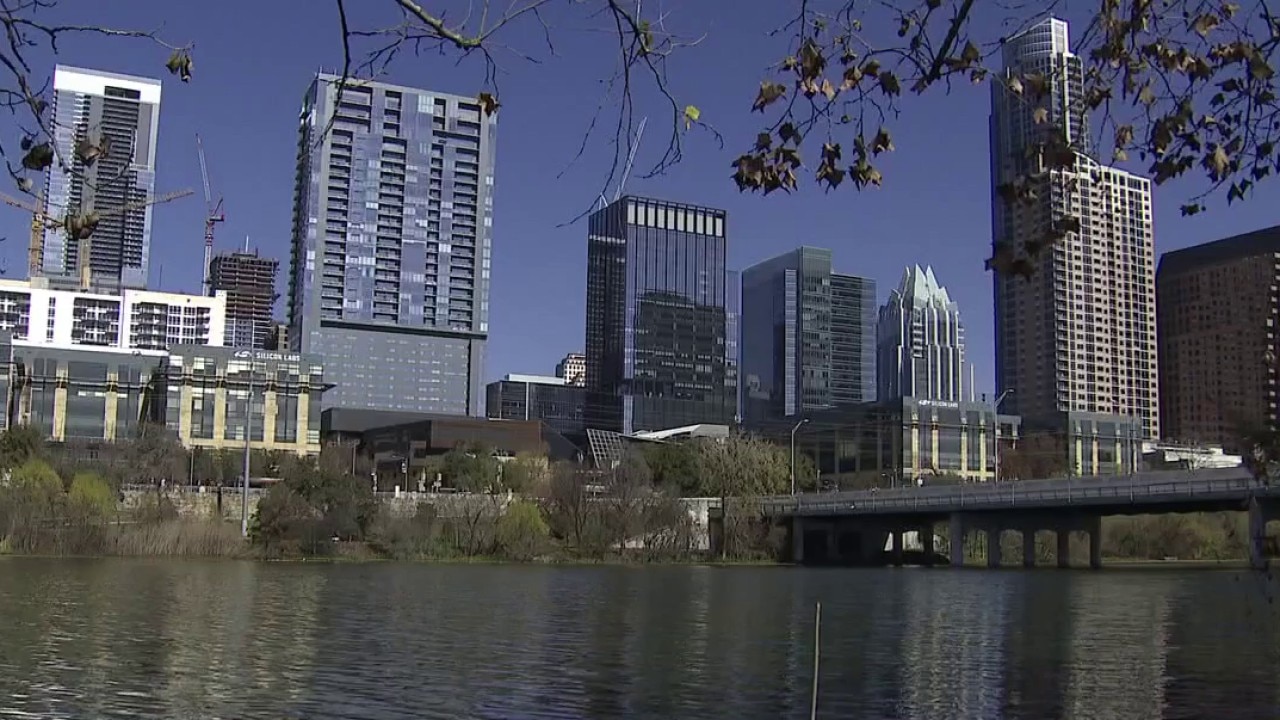
PREVIOUS COVERAGE: Austin City Council to vote on security cameras in parks
Austin City Council is expected to vote next week on putting surveillance cameras back in some city parks. The cameras were part of a pilot program to reduce car break-ins at parks.
"Our goal is to serve the community members who want to visit the spaces and don't feel safe because of break-ins," said Amanda Ross, division manager for natural resources at the Parks and Recreation Department. "We also have to be cognizant of the idea that if people aren't feeling comfortable in the space because of cameras."
In 2022, the department launched a pilot program installing camera trailers at parks after break-ins and complaints increased. The Stallion company trailers remained until August 2025. Car burglaries dropped more than 50% while the cameras were in place, along with other crimes.
Council Member Krista Laine, who represents District 6, cited specific examples.
"St. Edward's Greenbelt Park on Old Spicewood Springs Road," said Krista Laine. "It is one of two parks that were identified in that memo as having a significant reduction in vehicle break-ins when the park's cameras were there, and then it immediately went back up when they went away."
During the work session, a police officer testified that the department likely couldn’t have solved certain cases without the camera technology.
Cmdr. Craig Smith of the Austin Police Department explained how cameras aided investigations.
"We would have just had to wait for witnesses to come to say, ‘hey, we saw the suspects breaking into the vehicle.' So that's just very rare for people to see, because burglaries happen very, very quickly. So with the cameras, we were able to identify the suspects quickly and then able to look at the license plate and start the investigation," said Craig Smith.
Car break-ins in Austin decreased with surveillance cameras; City Council to vote on new contract
Austin City Council is expected to vote next week on putting surveillance cameras back in some city parks. The cameras were part of a pilot program to reduce car break-ins at parks.
Critics called it a misuse of taxpayer funds and raised concerns about data collection and monitoring by the AI surveillance company.
"With Elon Musk's Grok AI chatbot," said Hayley Campbell. "The people are creating extremely disturbing images of children using that technology and I have no way of knowing or vetting the level of security that's going to be applied to images of my daughter. If I take her to a public pool or a public park and this technology is put into place."
Some council members proposed the TRUST Act to regulate surveillance technology adoption, including banning facial recognition, prohibiting data collection for marketing and requiring annual reports.
Mayor Watson suggested postponing the discussion until the next scheduled meeting at month’s end, saying he wants to ensure confidence in the outcome.
The Source: Information from interviews conducted by FOX 7 Austin's Katie Pratt