

Austin winter storm: Health risks to watch out for ahead of arctic blast

Winter storm health risks
As Texans get ready for an arctic blast this weekend, doctors say preparing for the cold means more than just winterizing your home.
AUSTIN, Texas - As Texans get ready for an arctic blast this weekend, doctors say preparing for the cold means more than just winterizing your home.
From hypothermia to carbon monoxide risks, doctors say there are things you can do to keep yourself safe in a winter storm.
What they're saying:
As Austinites brace for freezing temperatures this weekend, doctors are reminding people to put their health first.
Cold weather can pose serious health risks, especially for older adults, young children, and people with chronic conditions.
"A one-month-old, two-month-old baby is very susceptible to the effects of temperature, whether it be high temperature or low ambient temperature. And the same thing with the elderly population. They aren't able to go and get a blanket if they're cold," said Dr. Mark Tabarrok, Texas Children’s Hospital North Austin.
Texas Winter Storm: How to safely stay warm during winter storm power outages
As freezing temperatures across Texas could bring the possibility of power outages, residents are asked to stay safe when heating their homes during the Texas Winter Storm.
Dr. Mark Tabarrok is a pediatric emergency medicine physician with Texas Children's Hospital in North Austin. He says emergency rooms often see a spike in patients due to severe weather both before and after the storm.
Common injuries include slips, falls, and burns caused by space heaters.
"It's making sure you have the right footwear. You know, make sure you have shoes or boots with good traction, that people are dressed appropriately for the weather to layer up. To say, look, let's put on three or four layers of denim, put on our jacket, make sure we have gloves and make sure that you have good warmth and circulation in your hands, to your extremities," said Tabarrok.
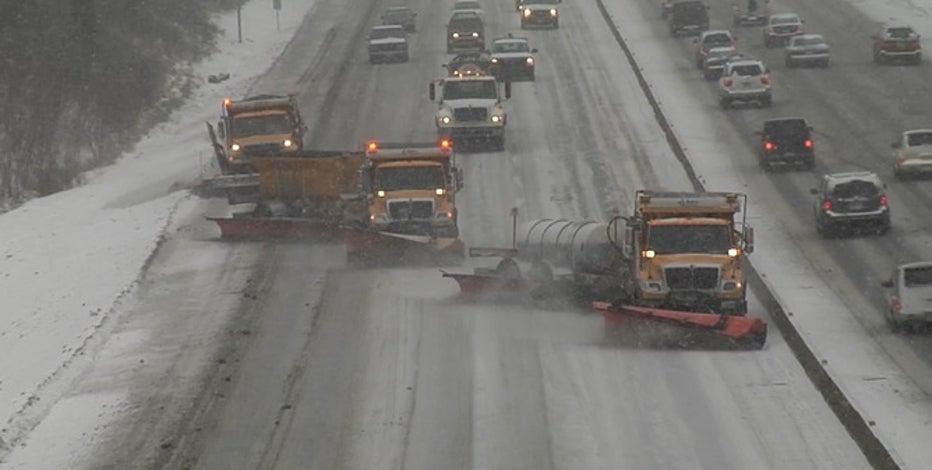
'Wait this one out': TxDOT urges residents to stay home during Texas Winter Storm
Central Texas TxDOT crews began pretreating roadways on Wednesday and plan to continue 24-hour operations throughout the Texas Winter Storm.
But Dr. Tabbarok says one of the biggest concerns during extreme weather events is carbon monoxide poisoning.
"Families will say, look we don't have any other resources, we're going to heat up a house with our car. We're all going to go sit in the garage, we'll sit in a car, but that's too freezing to leave the door open and, all of a sudden, now you've gotten carbon monoxide poisoning. It can also be seen with generators and so it's trying to find a well ventilated area for things that will help generate heat," said Dr. Tabbarok.
Why you should care:
Doctors are also watching for hypothermia. Warning signs include discoloration and tingling, or loss of sensation in the fingers or toes. Recognizing early warning signs can help prevent emergencies and hospital visits.
For minor illnesses or injuries, urgent care and virtual visits are good options, but if you have life-threatening symptoms, you should go straight to the ER.
"From an emergency perspective, making sure that you have water, ensuring that your family is well-prepared, that you have places for heat, ways to stay warm, and a plan in place. If something untoward happens to where you lose power, you're prepared for that. So if it means I have to go buy a few blankets, great. If I have borrowed a few blankets, great," said Dr. Tabbarok.
Dr. Tabborok also stresses having enough water on hand and making sure your medications are stocked up.
The Source: Information from interviews conducted by FOX 7 Austin's Jenna King