

FDA approves first mRNA flu vaccine, but CDC has yet to recommend it

Lead medical assistant Yiseli Dominguez administers a flu vaccine to a patient at the Esperanza Health Centers Brighton Park North Clinic, Dec. 31, 2025, in Chicago. (Eileen T. Meslar/Chicago Tribune/Tribune News Service via Getty Images)
NEW YORK - The Food and Drug Administration recently approved a new flu vaccine that performed well in older adults, but the federal agency responsible for advising doctors and the public on its use has not yet issued a recommendation.
Why you should care:
The Centers for Disease Control and Prevention’s inaction on the mFlusiva vaccine marks a break in longstanding practice. It’s also an example of how the agency’s vaccine review-and-recommendation process has been blown up in the past year, grinding decision-making to a halt.
RELATED: People are ditching their vapes only to pick up another surprising habit
Big picture view:
Efforts by vaccine-wary officials in President Donald Trump's administration to scale back shot recommendations have been put on hold. Federal guidance on new vaccines has stopped. And public discussion of vaccine policy questions that might cross political divides — including whether there’s solid evidence to justify giving fewer shots to kids — has diminished.
Health Secretary Robert F. Kennedy Jr.’s crusade to upend vaccine policy and the legal action opposing it have disrupted longstanding systems that deliver crucial health guidance to Americans, affecting whether people are getting the best available protection against vaccine-preventable diseases.
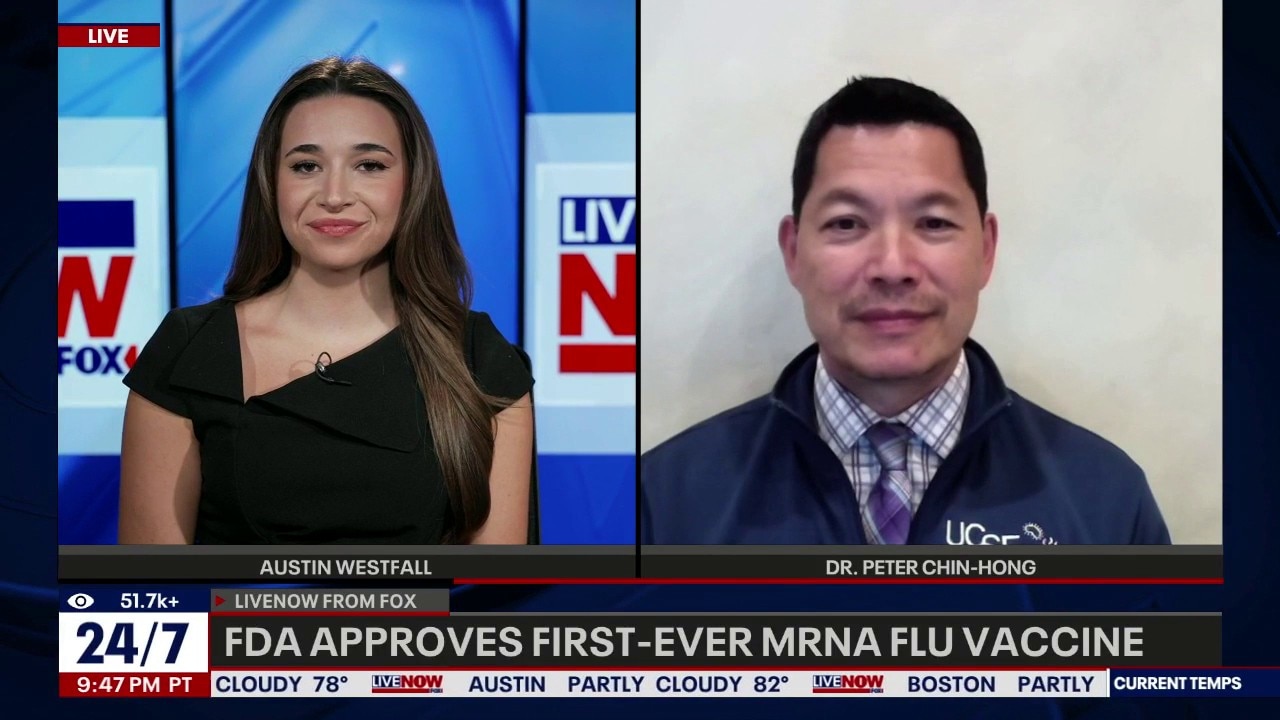
FDA approves first-ever mRNA flu vaccine
The Food and Drug Administration has approved a new flu vaccine made with the same mRNA technology that was used for the COVID-19 shots. Infectious disease specialist Dr. Peter Chin-Hong joins LiveNOW's Alexandra Goldberg to discuss.
The other side:
"We find ourselves at a point where even if credible evidence (for a new vaccine policy) has reached a tipping point, we don’t have an obvious mechanism that can formalize that change," said Jason Schwartz, a Yale University health policy researcher who studies government health agencies.
RELATED: Modified HIV drug could reverse vision loss, paralysis from MS, study suggests
Dig deeper:
The mFlusiva flu shot is another example of the unusual way vaccine policy updates have stalled.
The shot is the first flu vaccine made with the mRNA technology that was key to ending the COVID-19 pandemic. Kennedy has criticized mRNA vaccines and last year canceled contracts for the development of new ones. The shots also took a tortuous path through the FDA, which finally granted full approval in people ages 50 to 64.
But the CDC this month quietly posted that it has decided to maintain its flu vaccine endorsements from last year due to "legal uncertainties and inquiries." That means mFlusiva is not among the listed flu vaccines recommended to the public this fall.
The medical societies are recommending it as an option, however.
Another ACIP function was to vote on whether certain vaccines should be covered by Vaccines for Children, a government program that pays for shots for children who have no health insurance.
The FDA approved updated COVID-19 vaccines, but as the summer dragged on — and fall vaccination campaigns got underway — the government would not say if the VFC program will pay for those shots. It was only this week that officials confirmed orders could be placed through that program.
The Source: The Associated Press contributed to this report. The story draws on information from the FDA’s approval of the mFlusiva vaccine, CDC guidance and public postings, recommendations from medical organizations, and comments from Yale health policy researcher Jason Schwartz. This story was reported from Los Angeles.