

Texas doctor convicted for illegally distributing 1 million opioid pills in Houston 'pill mill' scheme

Communities nationwide are struggling with the unprecidented opioid pain pill and heroin addiction epidemic. (Photo by John Moore/Getty Images)
TOMBALL, Texas - A Texas physician was convicted by a federal jury of unlawfully distributing more than a million opioid pills and other controlled substances through a Houston-area clinic, authorities said.
Conviction in Houston 'pill mill' case

What we know:
65-year-old Barbara Marino, of Tomball, was found guilty in the Southern District of Texas of one count of conspiracy to distribute a controlled substance and four counts of distributing a controlled substance. She faces up to 20 years in prison on each count. Sentencing will be determined by a federal judge.
Federal prosecutors said Marino operated as the sole prescribing physician at Angels Clinica, a cash-only clinic in a Houston strip mall, where she issued prescriptions for highly addictive drugs including oxycodone, hydrocodone and the muscle relaxer carisoprodol without a legitimate medical purpose.
Illegal opioid distribution at Angels Clinica

Clinic where Marino prescribed drugs
Dig deeper:
According to court documents and trial evidence, many of Marino's patients were recruited and transported to the clinic by street-level drug dealers who then filled the prescriptions and sold the pills illegally.
Marino was paid more than $400,000 in less than a year by the clinic’s owners for writing prescriptions, authorities said.
Evidence in court showed that Marino frequently prescribed a combination of opioids and carisoprodol, a mixture associated with pill mills, and did so for nearly every patient. More than 99% of prescriptions were for the strongest short-acting versions of said drug, according to prosecutors.
Risks to patients and unethical practices
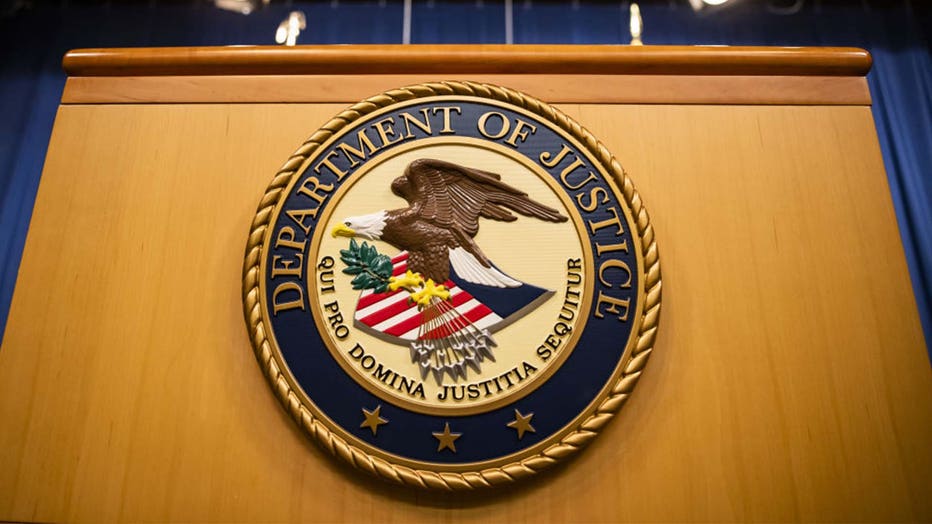
The U.S. Department of Justice seal on a podium in Washington, D.C. (Samuel Corum/Bloomberg via Getty Images)
Big picture view:
Testimony during the trial highlighted cases including a pregnant woman in her third trimester who was prescribed hydrocodone and carisoprodol, a combination her obstetrician said posed serious risks to both mother and child.
Another patient was diagnosed with bipolar disorder and schizophrenia before receiving the same drug combination multiple times, despite severe mental health issues, according to testimony.
Barbara Marino sentencing and next steps
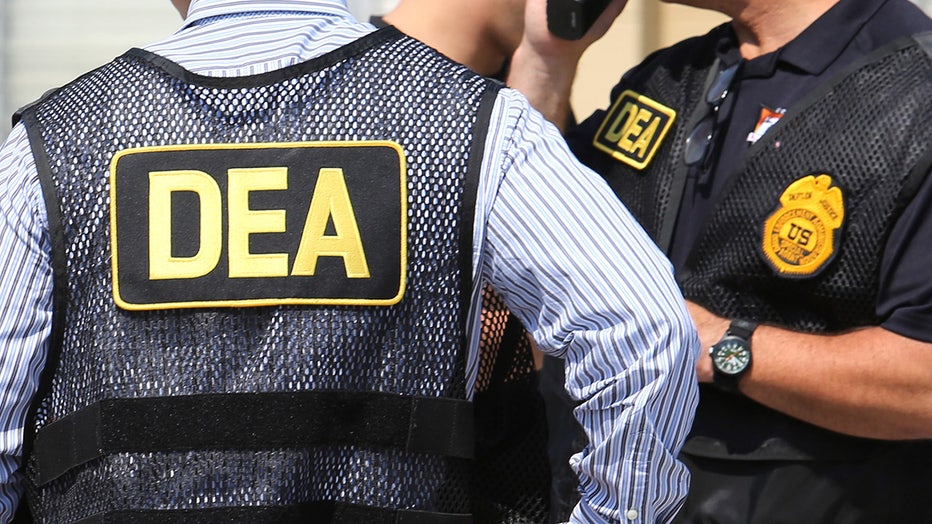
FILE: DEA agents at a crime scene. (Joe Burbank/Orlando Sentinel/Tribune News Service via Getty Images)
What they're saying:
"Medical physicians who exploit their prescribing authority for profit over patient care break an inherent trust with their patients, and we will hold them accountable," said Assistant Attorney General Colin M. McDonald.
DEA Assistant Administrator Cheri Oz said the agency remains focused on combating illegal drug distribution, particularly involving prescription medications.
What's next:
The Drug Enforcement Administration investigated the case. The case is part of broader federal efforts to combat health care fraud and the illegal distribution of controlled substances, according to the U.S. Department of Justice.
The Source: Information in this article was provided by the U.S. Department of Justice.