

Texas officials warn a new bug is threatening grazing land
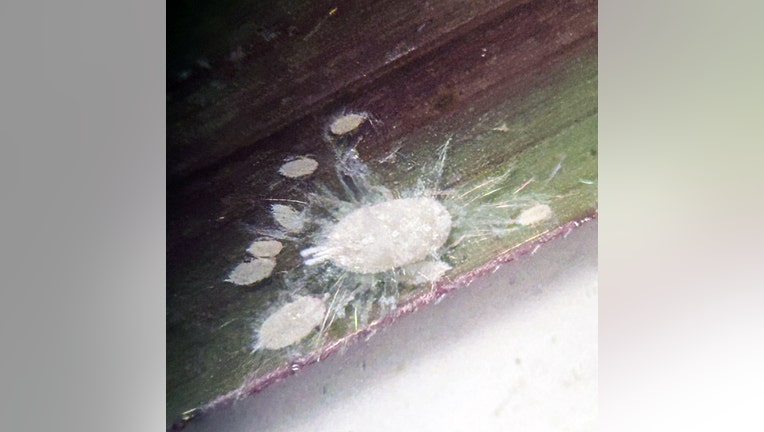
(Texas A&M AgriLife Extension)
AUSTIN, Texas - The Texas Department of Agriculture and Texas A&M AgriLife Extension are sounding the alarm about a new pest that is causing trouble in pastures in more than a dozen counties.
The pasture mealybug has been found in 22 counties in the Lone Star State, and it's the first time this species has been reported in North America.
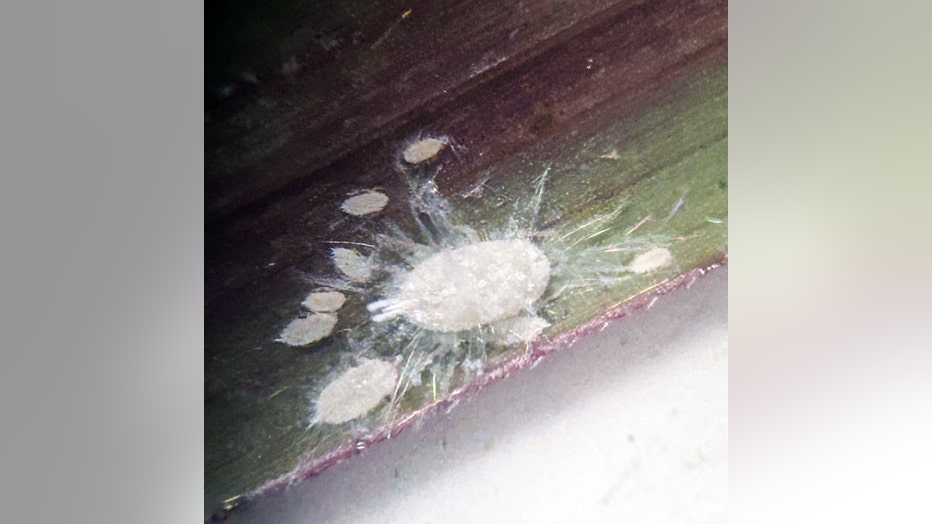
What is a pasture mealybug?
What we know:
The pasture mealybug was first discovered in Australia in 1928. The Department of Agriculture said the pest ruined millions of acres of grazing land there and has since spread globally.
AgriLife scientists said pasture and hay producers in southern Texas first started to report problems in their fields in mid-April of this year. Originally thought to be caused by the Rhodes grass mealybug, scientists later confirmed the damage was caused by a new species to the United States.
"This is a completely new pest to our continent, and Texas is once again on the front lines," Agriculture Commissioner Sid Miller said. "If the pasture mealybug spreads across Texas grazing lands like it has in eastern Australia, it could cost Texas agriculture dearly in lost productivity and reduced livestock capacity. TDA is working hand-in-hand with federal and university partners to respond swiftly and protect our producers from this unprecedented threat."
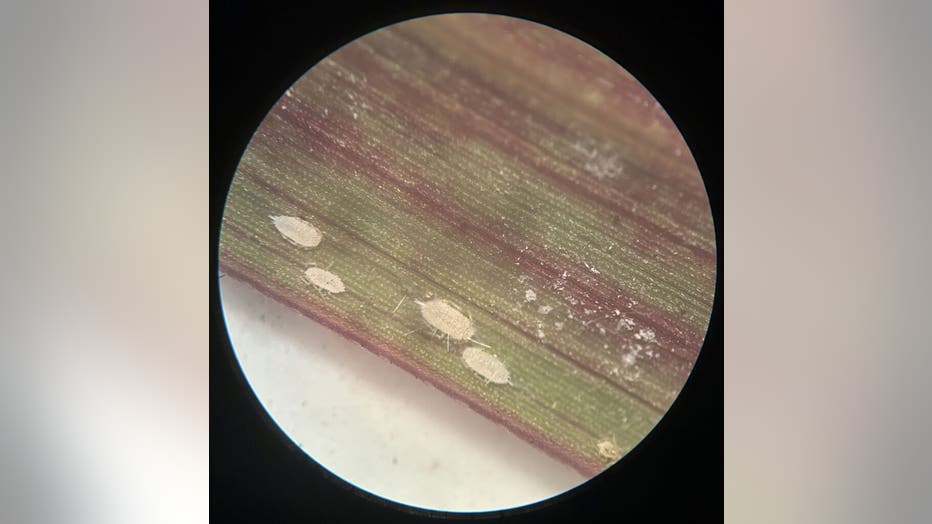
Where has the pasture mealybug been found in Texas?
The Texas Department of Agriculture has identified 22 counties where the pasture mealybug has been found:
- Cameron
- Hidalgo
- Willacy
- Refugio
- Calhoun
- Victoria
- Goliad
- Dewitt
- Lavaca
- Fayette
- Jackson
- Matagorda
- Brazoria
- Galveston
- Wharton
- Colorado
- Austin
- Washington
- Burleson
- Brazos
- Robertson
- Fort Bend
How does the pasture mealybug damage grass?
Adult pasture mealybugs do not feed. However, immature pasture mealybugs feed by sucking plant sap and excreting a sugary substance called honeydew over the leaves. The mixture causes a fungus to grow that blocks photosynthesis. Damage to the grass is caused by saliva, which is toxic to the grass, being injected into the plant. The toxicity causes the plant to become more susceptible to other plant diseases. This results in a condition called "pasture dieback."
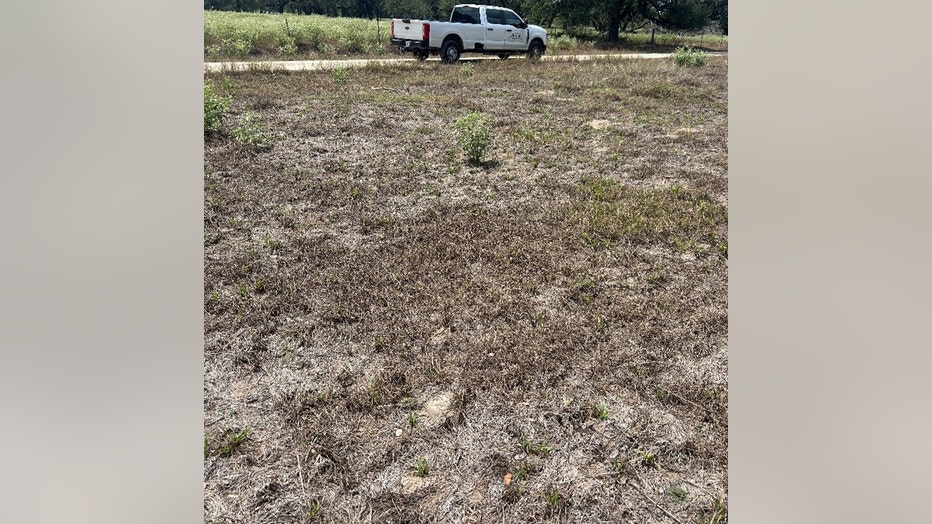
The pests are known to impact the growth of Bermudagrass, Bahia grass, Johnsongrass, hay grazer (sorghum–sudangrass), St. Augustine grass, various bluestem species, and other tropical or subtropical grasses. Damage can occur in leaves, stems, and roots.
Damage caused by pasture mealybugs can have the following symptoms:
- Yellowing and discoloration of leaves within a week of infestation
- Purpling or reddening of foliage
- Stunted growth and drought stress despite rainfall
- Poorly developed root systems
- Dieback starting at leaf tips and progressing downward
- Premature aging, making plants more vulnerable to pathogens
Inspecting and monitoring for pasture mealybug
"Early identification is critical, and we need every producer’s eyes on the ground," Miller said. "We are working diligently with our federal and state partners to determine how to best combat this novel threat and stop it in its tracks."
The AgriLife Extension recommends monitoring of the pasture mealybug as part of regular pasture pest management.
"The pasture mealybug can be found on grass leaves, at the base of the plants, over the soil, in leaf litter, below the soil, and below cow patties. Closely inspect areas where the grass is yellowed or reddened. Field areas where grass is left unmanaged—like fence lines, ungrazed patches, and roadsides—tend to grow long and thick, making them more vulnerable to mealybug infestations," AgriLife officials said. "Inspect the foliage and stems throughout the plant and under the thatch (Fig. 9). Most pasture mealybugs will reside on the grass blades, followed by the stem and roots in the summer. Look for fluffy white, waxy or "fuzzy" insects. There are other insects that produce white, waxy, coverings, but if infested plants appear unhealthy, the insect is probably the pasture mealybug and further investigation is warranted."
What to do if you suspect you have pasture mealybugs
Scientists said there are no insecticides that specifically control the pasture mealybug and recommend against using pyrethroid insecticides that are used for other mealybugs as it could make the problem worse by eliminating the pest's natural enemies.
If you suspect you have an infestation, it is recommended to contact the Texas A&M AgriLife Extension Service or the state department of agriculture.
The Source: Information in this article comes from the Texas A&M AgriLife Extension System and the Texas Department of Agriculture.