

Austin weather: Flood alerts issued in Central Texas as storms roll through

Austin weather: Flood Watch in Central Texas
Heavy rain is coming down on Central Texas. Leslie London has the details.
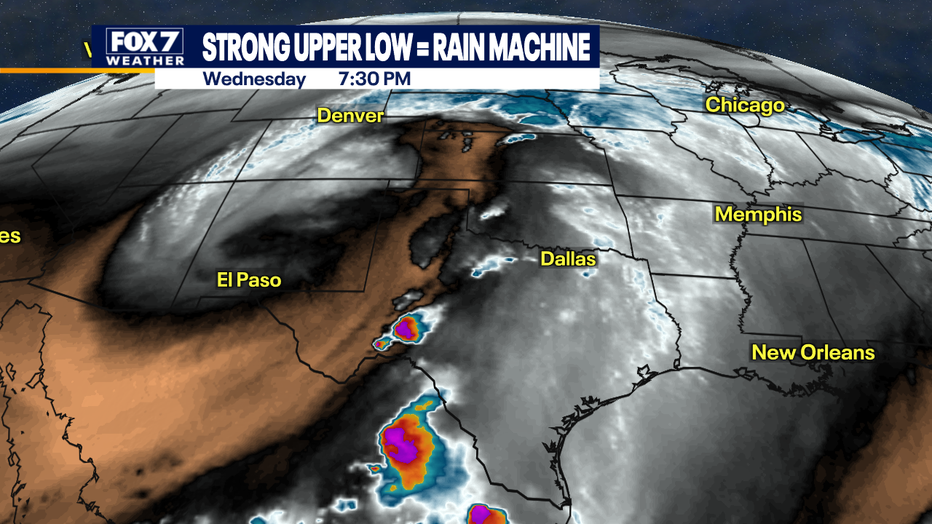
AUSTIN, Texas - A very slow-moving front collides with tons of tropical moisture setting off rounds of storms.
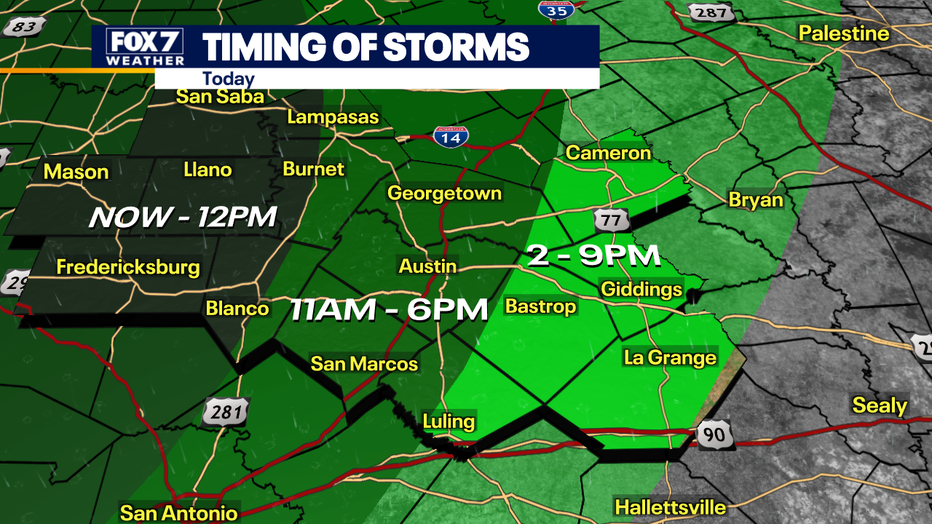
Timeline:
The upper low to the west will keep the storms going for hours.
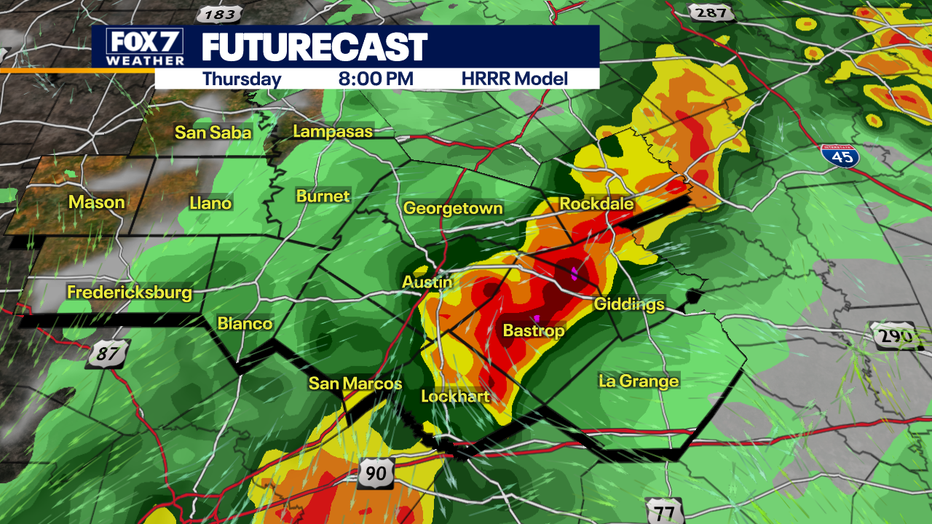
The heavy rain shifts east throughout the day, pushing the flooding threat from Austin to La Grange this afternoon and evening.
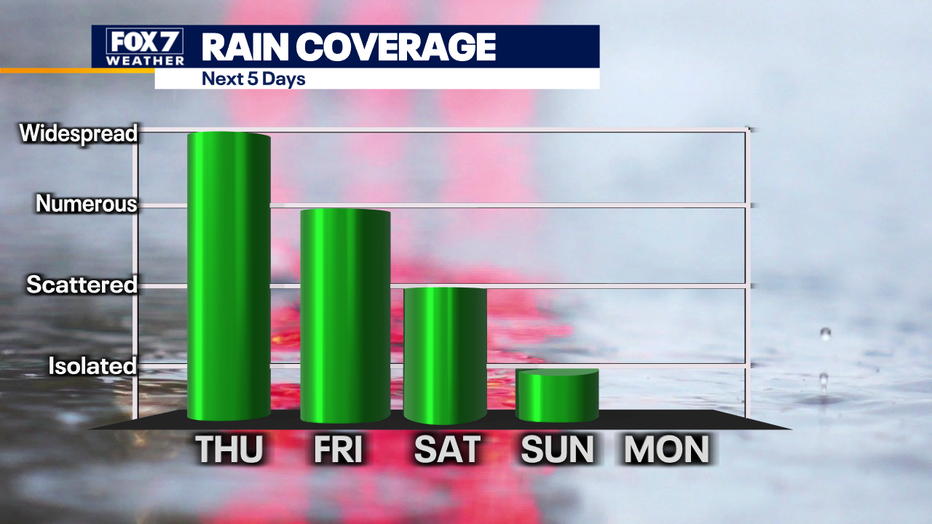
The coverage of rain will be widespread today and tonight.
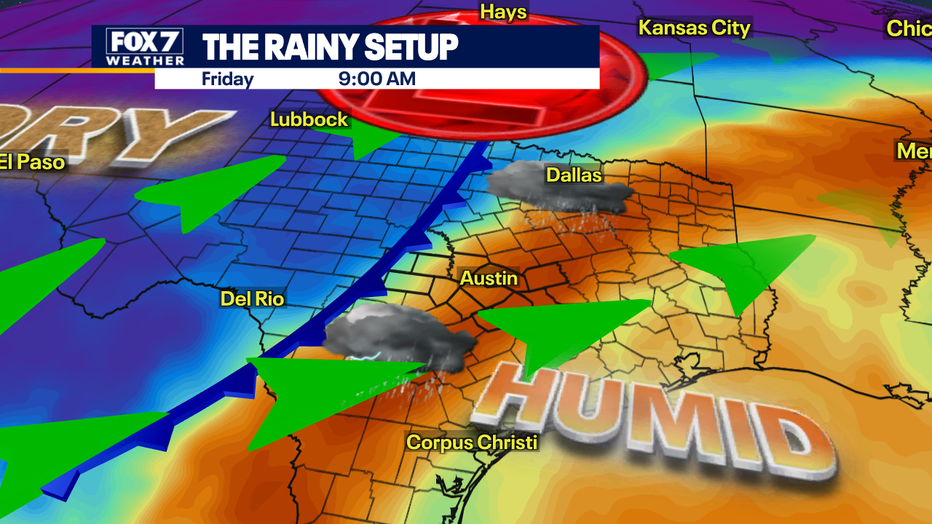
As the front stalls out the coverage of rain will numerous on Friday.
The rain chances decrease this weekend and the Fall feel takes over.
Why you should care:
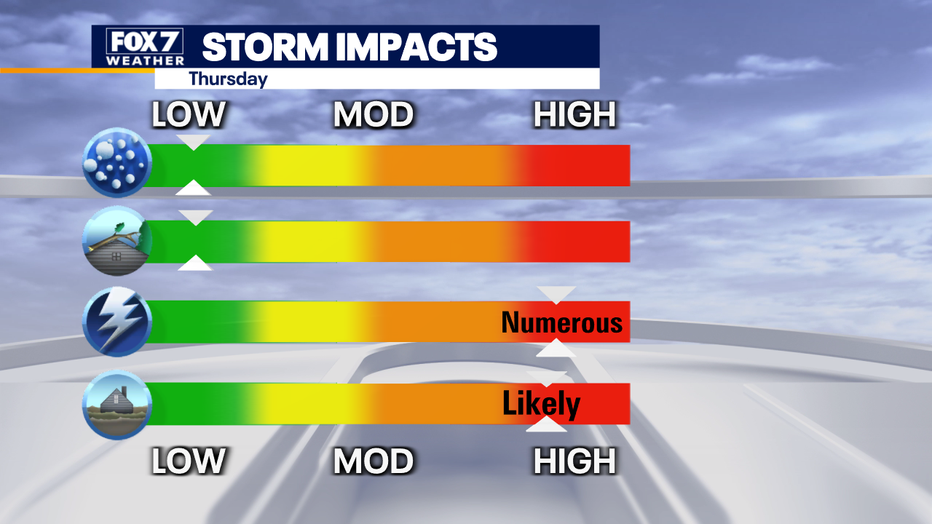
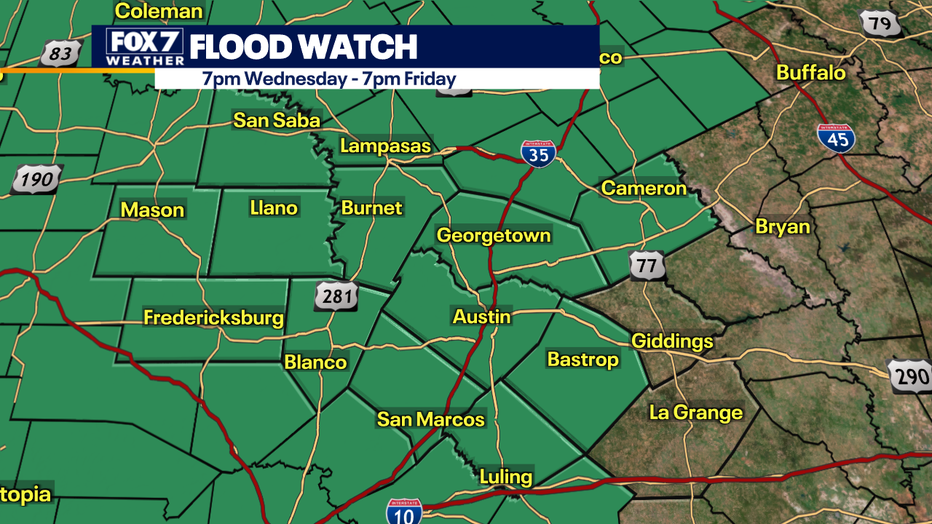
We are still under a FLOOD WATCH through early Friday evening.
Localized flooding and lightning are the main threats.
All of Central Texas is also a moderate risk of flooding.
If you live around a creek, stream or river stay weather aware.
Be cautious around low-water crossings today and tonight and lookout for river rises in the Hill Country.
By the numbers:
We have already experienced inches of rain in the Hill Country.
Another 2 to 4" of rain is possible in the next 48 hours.
What is the difference between a flood watch, advisory and warning?
Dig deeper:
What is a Flood Watch?
A Flood Watch means that heavy rain is in the forecast and is expected to result in flooding. It does not mean flooding will happen, but that it is possible.
This type of alert comes first before it starts raining. The NWS says that watches are often in effect for multiple days.
What do I do during a Flood Watch?
The NWS recommends doing the following:
- Monitor weather forecasts
- Review flood safety information
- Make sure friends and family are aware and ready
Residents can also prepare by:
- Creating a communications plan with your friends and family
- Assembling an emergency kit with enough food, water and medicine on hand at all times to last you at least three days as well as batteries, blankets, flashlights, first aid kit, rubber boots, rubber gloves, and a NOAA Weather Radio or other battery operated radio easily available.
- Knowing your flood risk, such as is your home/office/school in a floodplain, where is water likely to collect on roadways you travel most often, what is the fastest way to higher ground?
- Signing up for notifications through the Advanced Hydrologic Prediction Service RSS feeds
- Preparing your home, such as with sandbags, checking plumbing valves, checking pumps, clearly labeling circuit breakers and fuses, and having flood insurance
- Preparing your family and pets in case of evacuation and gather all essentials ahead of time
- Charging essential electronics such as your cell phone and portable radios and making sure you have back-up batteries on hand.
- Evacuating and making alternative plans for a place to stay, including for your pets
What is a Flood Advisory?
A Flood Advisory means that flooding is not expected to be bad enough to issue a warning but can cause "significant inconvenience" or could lead to life or property-threatening situations if not cautious.
This type of alert is issued while heavy rain is falling and can be in effect for a few hours, says NWS.
Advisories are issued for "typical" or "common" flooding of:
- Urban areas with poor drainage
- Construction zones
- Low water crossings
- Small creeks and streams
What do I do during a Flood Advisory?
The NWS recommends doing the following:
- Beware of water on roadways
- Never drive into floodwaters, even if they appear shallow
- Avoid drainage areas and creeks or streams that could rise rapidly
- Never drive around barricades blocking flooded roads
The NWS reminds all residents that minor flooding can become life-threatening with a bad decision. A mere six inches of fast-moving floodwater can knock over an adult, just 12 inches of rushing water can carry away most cars and just two feet of rushing water can carry away SUVs and trucks.
What is a Flood Warning?
A Flood Warning is issued to inform the public of flooding that poses a serious threat to life and/or property, says NWS. A Flood Warning may be issued hours to days before based on forecast conditions. Floods occurring along a river usually contain river stage (level) forecasts.
What is a Flash Flood Warning?
A Flash Flood Warning means that flooding has become life-threatening with rapidly rising, swift moving water, water entering homes and buildings and vehicles potentially being swept off roadways. This type of alert is issued just before or while flooding is happening and can stay in effect for a few hours, says NWS.
NWS adds that a flash flood is a "sudden violent flood that can take from minutes to hours to develop" and that just because your area isn't immediately receiving rain doesn't mean It is not possible to experience a flash flood.
What do I do during a Flash Flood Warning?
The NWS recommends doing the following:
- Seek higher ground if on a floodplain
- Avoid all water-covered roads
What you can do:
Stay weather aware and track your local forecast for the Austin area quickly with the free FOX 7 WAPP.
The design gives you radar, hourly, and 7-day weather information just by scrolling.
Our weather alerts will warn you early and help you stay safe during storms.
The Source: Information from National Weather Service and meteorologist Zack Shields.