

Austin weather: Storm runoff is helping the Highland Lakes chain
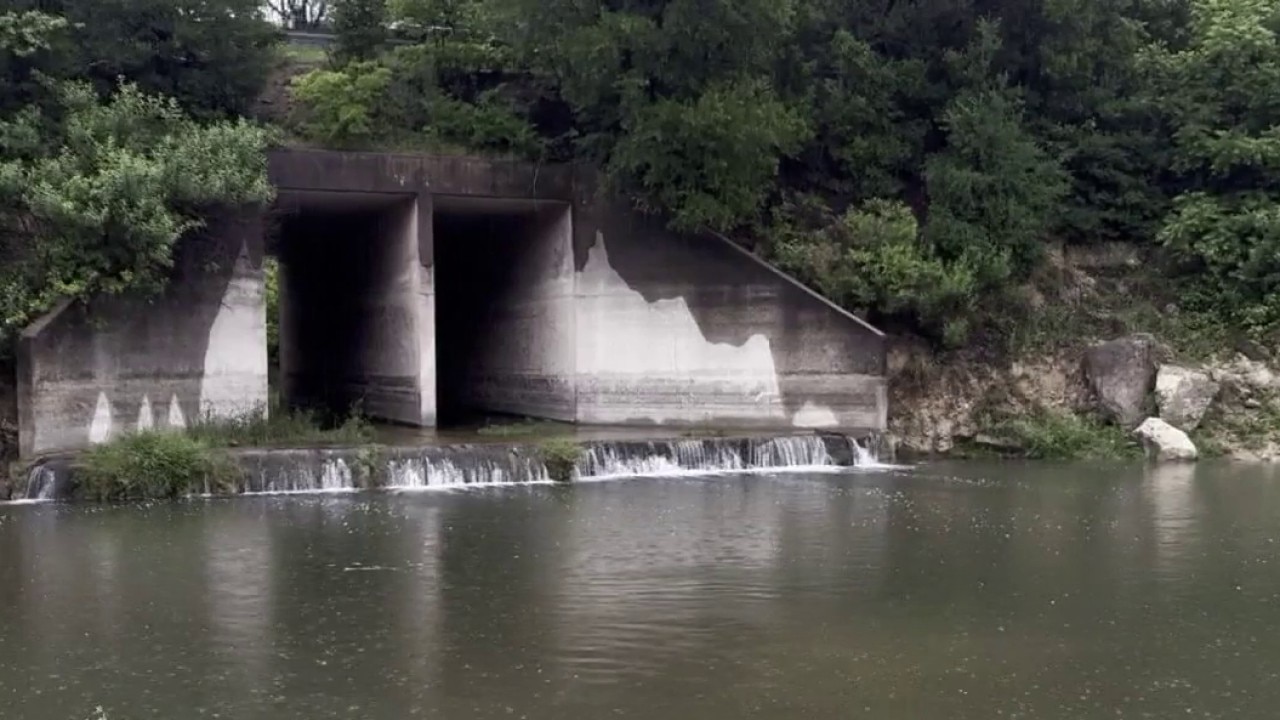
Storm runoff is helping the Highland Lakes chain
Runoff from the rain is flowing into the Highland Lakes chain. Water levels are up, but for officials with the Lower Colorado River Authority (LCRA), it's too soon to say it's enough to avoid a water shortage later this summer.
AUSTIN, Texas - Runoff from the rain is flowing into the Highland Lakes chain.
Water levels are up, but for officials with the Lower Colorado River Authority (LCRA), it's too soon to say it's enough to avoid a water shortage later this summer.
Local perspective:
Storm runoff flowed down several creeks and streams Friday morning. As the rain fell, the water level in Lake Travis continued a slow rise. In Volente, the change along the shoreline was noticeable for Robert Weiss.
"This cable right here, this kind of like algae lying on it. It was above water last weekend. And so, I kind of use that as my gage right there," said Weiss.
The rise in the water level is keeping Weiss’ business afloat. He operates a charter and scuba boat on Lake Travis.
"It's been a gradual rise instead of what we had last July, where it was a very significant rise. So we've had a nice gradual rise, which is really good. We're going to probably hold steady," said Weiss.
"For me, it's hopeful for the summer because the lake level is starting a little bit higher and getting a little wet now. I think it will help sustain us throughout the summer," said Weiss.
How full are the Highland Lakes?
By the numbers:
According to data from the Lower Colorado River Authority (LCRA), a year ago, the combined storage capacity of lakes Travis and Buchanan was at 47%. Currently, its capacity is at 84%.
As of now, Lake Travis is at 74% capacity, and upstream is even better. Lake Buchannan is 97% full.
Combined storage in lakes Travis and Buchanan, the two water supply reservoirs in the Highland Lakes:
- May 1, 2025: 945,634 acre-feet, 47%
- May 1, 2026: 1,673,262 acre-feet, 84%
Level of Lake Buchanan:
- May 1, 2025: 998.73 feet above mean sea level
- May 1, 2026: 1018.63 ft msl
Level of Lake Travis:
- May 1, 2025: 635.61 ft msl
- May 1, 2026: 663.87 ft msl
Dig deeper:
At the Lake Bastrop Dam, enough rain fell Friday to partially open one gate. The release of water flowed through Spicer and Piney Creeks and into the Colorado River.
In a statement sent to FOX 7, officials from LCRA said:
"The April rains have been great for our region. The rains provided much-needed soil moisture to help sustain agriculture and vegetation, as well as reduce our wildfire risk. In addition, water use typically decreases after sustained rains, as people don’t need to water their lawns for several days. We’ve still got a ways to go to get out of the drought, but these rains are definitely a step in the right direction."
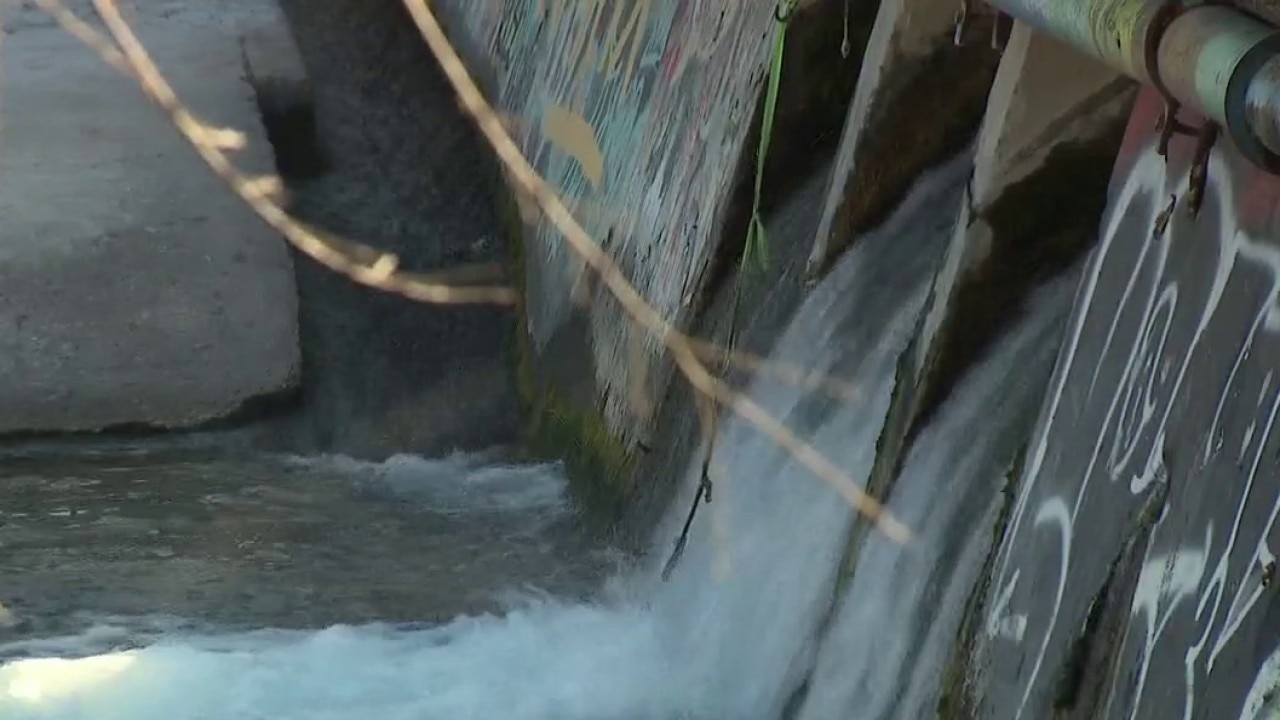
PREVIOUS COVERAGE: Historic drought declaration imminent
After nearly four years of drought, the aquifer that feeds Barton Springs and supplies drinking water to thousands is nearing historic lows.
Weiss agrees and offered this advice.
"Water conservation, you know, just because we're getting rain right now and the grass looks green, and your yards look good, you got to still conserve water. It's just an ongoing battle now, so just keep containing that or conserving that water, and you know keep it on what you're doing with your lawns," said Weiss.
What's next:
The long-range forecast by LCRA indicates a summertime drop in water levels. Although one model suggests a possible uptick if there is a soggy July and August.
But the projection also notes that the extreme dry weather model is currently tracking combined capacity to stay above a critical trigger point. That activates LCRA's Stage 1 Drought Contingency Plan.
All the projections seem to indicate boat docks that are currently high and dry in several lake coves may remain landlocked through the summer. However, if a Gulf storm tracks into Central Texas during hurricane season, it could certainly change a lot.
And there was a recent update from NOAA’s Climate Prediction Center. The agency has Central and South Texas with above normal rainfall for the month of May.
The Source: Information from interviews conducted by FOX 7 Austin's Rudy Koski