

Clery Act of 1990 shapes how universities keep students safe
Campus security and the Clery Act of 1990
Hundreds of calls for help came in from campus emergency call boxes in Central Texas last year. They are one of many ways universities work to keep students safe. It's an effort shaped by the Clery Act of 1990.
AUSTIN, Texas - Hundreds of calls for help came in from campus emergency call boxes in Central Texas last year. They are one of many ways universities work to keep students safe. It's an effort shaped by the Clery Act of 1990.
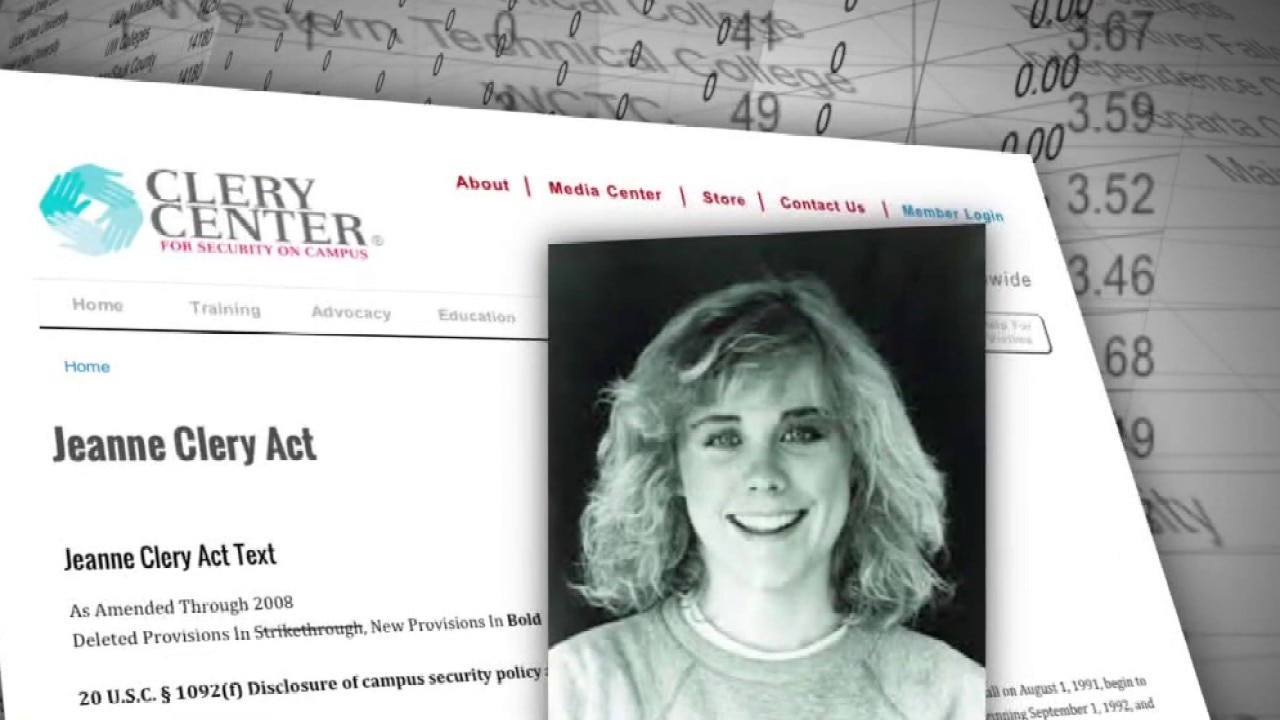
It is a law born out of tragedy, after 19-year-old Jeanne Clery was raped and murdered inside her college dorm room at Lehigh University in 1986.
The backstory:
"At the time, there were no standards for how colleges and universities explained or presented information about violent crime that was happening," Clery Center Deputy Executive Director Laura Egan said.
That case led to the Clery Act of 1990, a federal law requiring colleges and universities to be transparent about crime on campus.
"The goals of the Clery Act, as an administrative law, are to promote transparency and accountability between institutions of higher education and essentially their consumers, so the students that attend school there and the employees that work there," Egan said.
Now, schools must track and report crime, publish annual safety reports, and send out timely warnings when there is a threat. They are also required to notify campus communities in emergencies, often through texts, email alerts, and apps.
One highly visible safety tool grew alongside those requirements: emergency call boxes.
Dig deeper:
The U.S. Department of Justice said by 2005, 91 percent of four-year colleges had installed them. They are designed to give students a direct line to help, for anything from reporting a crime, to medical emergencies, or even requesting a safety escort.
"The call boxes themselves would be an example of a strategy that campuses might be investing in to meet the requirements of the Clery Act," Egan said. "The way you get that information, the way you get a report, the way you understand the immediacy of a situation is providing a multimodal response to inform your campus community about something, but also to receive that information."
At the University of Texas at Austin, there were 215 calls made from call boxes last year. At Texas State University, there were more than 600 calls made last year.
As technology evolves, the need for awareness and reporting remains at the core of the Clery Act, with new data showing shifts in campus crime. At UT, burglaries are on the rise, while motor vehicle theft is down. At Texas State, reports of domestic violence and burglary have increased, while aggravated assault and drug violations are down.
"There was a professionalization of the field of emergency response and campus safety work that resulted from this legislation," Egan said.
That evolution continues to change how campuses protect the people on them.
The Source: Information from interviews conducted by FOX 7 Austin's Meredith Aldis