

What to know about ‘flesh-eating’ bacteria in the Gulf

Heath expert warns about ‘flesh-eating’ bacteria in the Gulf
Health officials are warning residents and visitors along the Gulf Coast about the potentially deadly bacteria Vibrio vulnificus. (Credit: Dr. Jeffrey Cirillo, Texas A&M University, The Associated Press)
Health officials are warning residents and visitors along the Gulf Coast about the potentially deadly bacteria Vibrio vulnificus.
The bacteria, often described by media as a "flesh-eating" pathogen, occurs naturally in warm saltwater and brackish water, particularly where fresh and saltwater meet, according to health officials.
Health experts also say most cases of vibriosis overall are linked to eating raw or undercooked shellfish, particularly oysters. Vibrio vulnificus can also cause dangerous wound infections when an open wound is exposed to coastal water.
Warmer conditions favorable for Vibrio bacteria
What they're saying:
Dr. Jeffrey D. Cirillo of the Texas A&M University College of Medicine said warmer water, flooding and runoff can create favorable conditions for the bacteria.
"It's natural to the environment. The only thing that's really kind of changed is the temperature. So as water temperature increases as it's hotter, then we see more of these bacteria around," Cirillo told The Associated Press. "The other things that can increase the frequency of Vibrio in the water system is flooding and any types of major weather patterns like hurricanes and so on. So, Florida, Louisiana, Texas, we all have Vibrio in the water. They're also normally on the coast. So out in the open ocean, we don't see a lot of vibrio there. But in that brackish water, so between the fresh water and the salt water, that border, that's where Vibrio lives. It prefers that environment. So we mostly see it along the coast."
How severe infections happen
Big picture view:
The most severe infections can occur when Vibrio vulnificus enters the body through a cut or puncture wound. Some Vibrio vulnificus infections lead to necrotizing fasciitis, a severe infection in which the flesh around an open wound dies.
People working with oysters, fishermen and swimmers or beachgoers with open wounds can be exposed. Once inside the body, the infection can progress rapidly.
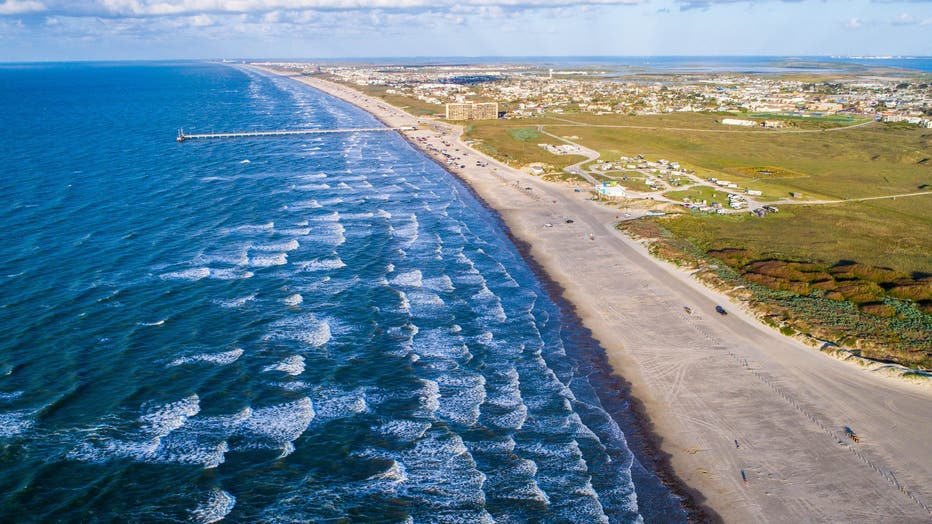
Health officials warn residents and visitors along the Gulf Coast about the potentially deadly bacteria Vibrio vulnificus. (Credit: Getty Images)
Cirillo said the bacteria can multiply quickly and release toxins that can have systemic effects. In severe cases, the infection can enter the bloodstream and become life-threatening within a day or two.
Warning signs of a serious wound infection can include worsening pain, redness, swelling, warmth, discoloration, discharge or blistering around the affected area, particularly when accompanied by fever, according to the Centers for Disease Control and Prevention.
Medical attention should be sought immediately if those symptoms develop. Treatment typically involves antibiotics, and patients with systemic infections may require intravenous antibiotics and treatment for sepsis.
Who is most at risk?
Dig deeper:
Healthy people generally have a lower risk of developing severe illness. However, Vibrio vulnificus can pose a much greater threat to people with weakened immune systems and certain chronic medical conditions, particularly chronic liver disease.
Severe infections can cause fever, chills, septic shock and blistering skin lesions. Some patients require intensive care, while others may need amputations.
RELATED: Deadly infection: Florida reports first rare, flesh-eating bacteria death of the year
Health officials estimate that about one in five people who develop a Vibrio vulnificus infection die, with some deaths occurring within just a day or two after symptoms begin.
The CDC recommends seeking treatment as soon as possible when a potentially serious Vibrio infection is suspected rather than waiting for laboratory confirmation or consultation with an infectious-disease specialist.
Florida, Louisiana report Vibrio vulnificus cases and deaths
The backstory:
According to Florida health officials, the state has reported 14 confirmed cases of Vibrio vulnificus so far this year, including two deaths. Florida recorded 33 cases and five deaths in 2025. Cases and deaths were significantly higher in 2024, when the state recorded 82 cases and 19 deaths following Hurricane Helene.
Louisiana has reported nine cases and five deaths this year, according to The Associated Press. The state has averaged about seven cases and one death annually over the previous decade.
There is not yet a current CDC nationwide tally specifically for Vibrio vulnificus infections in 2026. Individual states, including Florida and Louisiana, have reported cases and deaths this summer.
Florida health officials have also previously reported unusual increases in Vibrio infections following major hurricanes, including Hurricane Ian in 2022 and Hurricane Helene in 2024.
The Source: The information for this story was provided by The Associated Press and Dr. Jeffrey Cirillo, Texas A&M University. This story was reported from Los Angeles. Previous reporting from FOX 13 Tampa contributed.