

Majority of Texans oppose data centers in their community, according to new poll
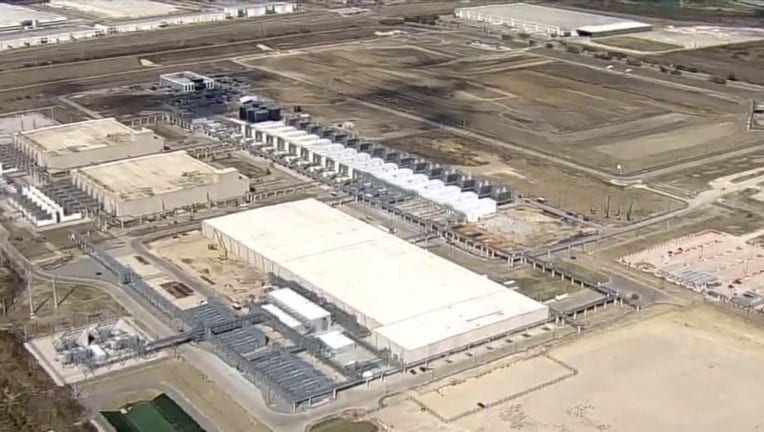
More than half of all Texans oppose data centers being built in their communities, according to a new poll.
The Texas Politics Project polled 1,200 voters from June 5–12, 2026, and found 56% were opposed to the construction of a data center in their community. Of those, 42% were strongly opposed. Meanwhile, 29% of those polled said they supported data center construction with 9% saying they strongly supported the idea.
The poll comes at a time when local communities are pushing back against the construction of new data centers in Texas and state leaders are questioning their transparency about water and energy usage.

Data centers in Texas: State and city leaders squabble over water usage
Data centers are under scrutiny. State and local leaders are working to regulate large scale water usage from data centers across the state.
Earlier this month, Gov. Greg Abbott called for new guidelines and regulations for data center construction and operation.
The poll found that people in rural and suburban areas were more likely to be opposed to data center construction when compared to those from urban areas.
In rural areas, 62% said they were opposed to data centers, with 50% saying they were strongly opposed, while just 22% said they supported the construction of a data center in their community.
In suburban communities, 60% were opposed to construction, with 46% saying they strongly opposed new data centers. More support was found in suburban areas, with 25% saying they would support a data center in their community.
In urban areas, 45% were against data center construction and 36% were supportive.
The poll found that Democrats and independent voters were more likely to oppose data centers, with 71% of Democrats and 62% of independents opposed to data center construction. Republicans were more split on the idea, with 44% opposing and 42% supporting.
Nearly half of Texans believe artificial intelligence will have a negative impact on economy
The Texas Politics Project also asked how voters felt about artificial intelligence's impact on the economy.
The poll found that 49% of those asked thought it would have a negative impact, while 29% felt it would have a positive impact.
Republicans were the most closely divided on the idea, with 40% saying A.I. will have a negative impact and 38% saying the impact would be positive.
Democrats were the most negative group on A.I.'s impact, with 61% saying the impact would be negative compared to just 21% seeing the impact as positive.
Independent voters were the most undecided. Forty-seven percent of independents polled said the impact would be negative and 15% saw A.I.'s impact as positive, but 36% said they were unsure.
The Source: Information in this article comes from a poll conducted June 5–12, 2026, by The Texas Politics Project. The poll asked 1,200 self-identified voters and has a margin of error of +/- 2.83%.