

Meta agrees to settle social media addiction case for up to $16.8B
Meta agrees to settle social media addiction case for up to $16.8B
Meta has agreed to pay nearly $17 billion and add child-safety measures to its Facebook and Instagram platforms to end a landmark trial that's been playing out in Oakland over teen social media addiction and settle claims filed by 47 states, court records show.
OAKLAND, Calif. - Meta has agreed to pay nearly $17 billion and add child-safety measures to its Facebook and Instagram platforms to end a landmark trial that's been playing out in Oakland over teen social media addiction and settle claims filed by 47 states, court records show.
Meta agrees to settle
What we know:
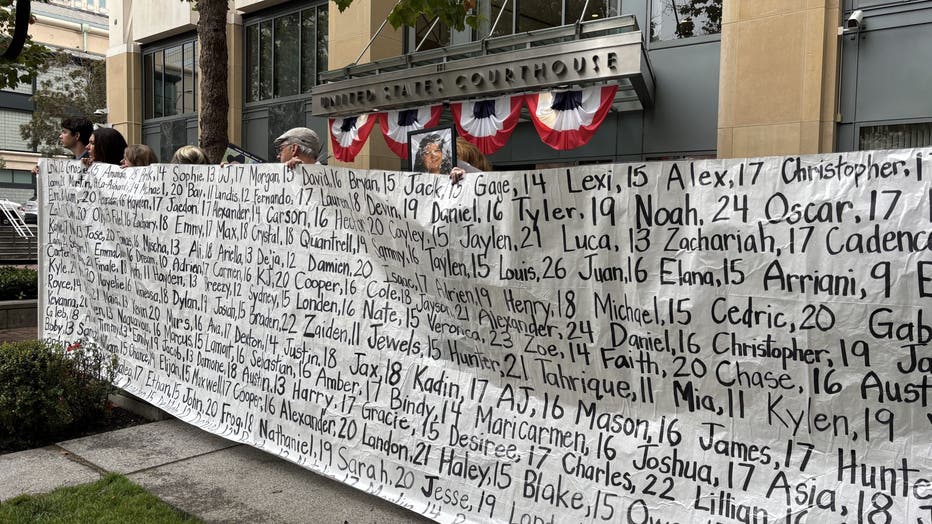
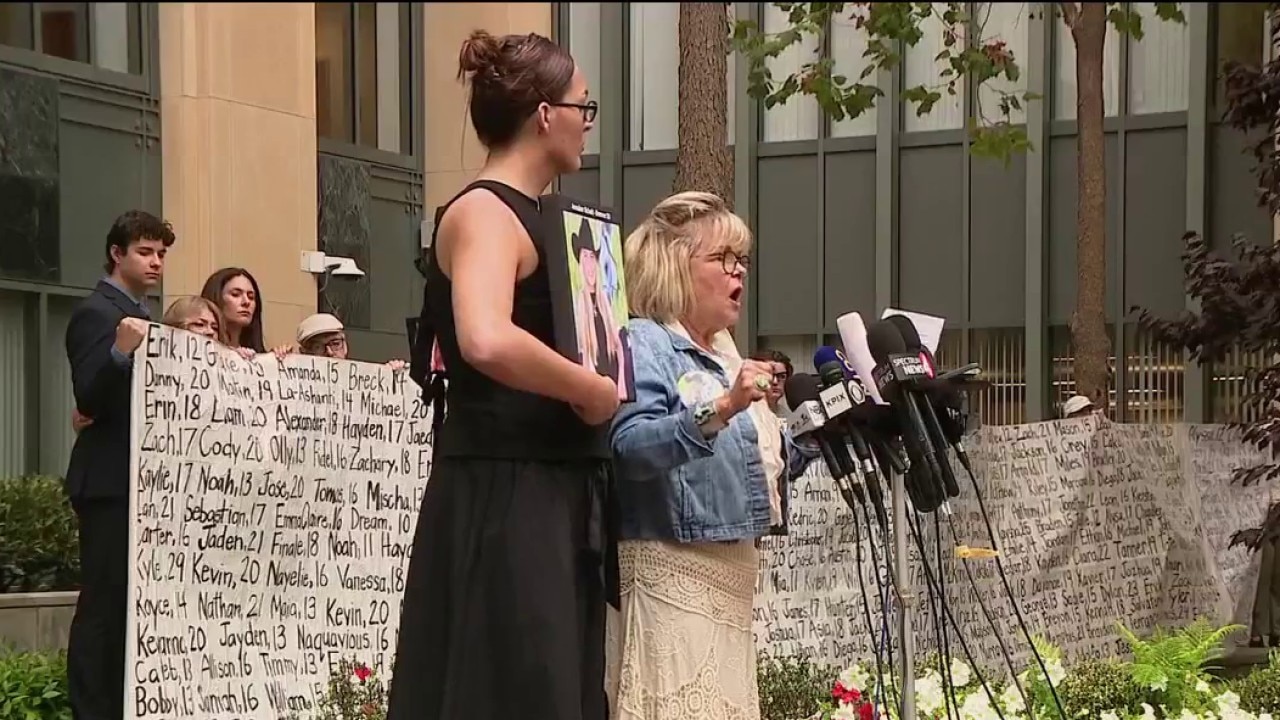
Critics of Meta rally outside the Oakland federal courthouse on the first day of the social media addiction trial against the Silicon Valley company. Aug. 18, 2026
Court documents detailing a proposed settlement filed on Wednesday show Meta will have to pay over $16.8 billion to settle the case with a coalition of state attorneys general.
Of that proposed payout, over $2 billion would be earmarked specifically for California, the motion to settle shows.
Meta could have ended up paying as much as $1.4 trillion if the trial had continued.
The agreement also introduces several operational requirements for Meta, including daily usage limits for teens and new rules designed to prevent children from using their apps.
US District Court Judge Yvonne Gonzalez Rogers still has to sign off on the proposed settlement agreement before it becomes official. However, the deal likely signals an end to testimony in the trial, which began on Aug. 18.
Gonzalez Rogers said she received the paperwork at 6 a.m. on Thursday and needed more time to review it, though she indicated she would likely sign off on the deal.
Bonta calls deal ‘transformative’
What they're saying:
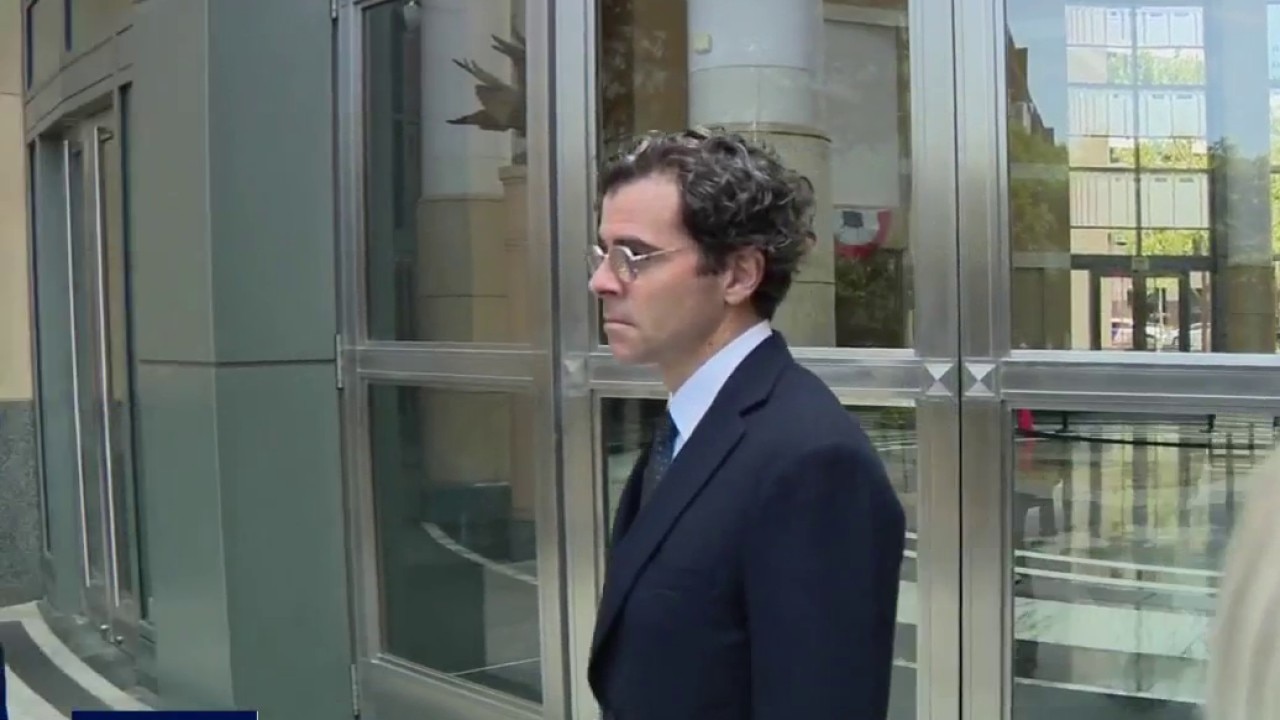
Instagram CEO Mosseri testifies at Meta Trial in Oakland
Instagram CEO Adam Mosseri took the stand Tuesday at the Meta trial, testifying that internal documents showing Meta laywers changed a report on teen safety was not a coverup.. He said "I'm not trying to encourage my team to hide anything."
In a statement on Thursday, California Attorney Rob Bonta, and a coalition of 51 other attorneys general, called the settlement "transformative," and highlighted that it will include "fundamental changes" to Instagram and Facebook, which must take place within months.
Daily time limits, parental supervision
Dig deeper:
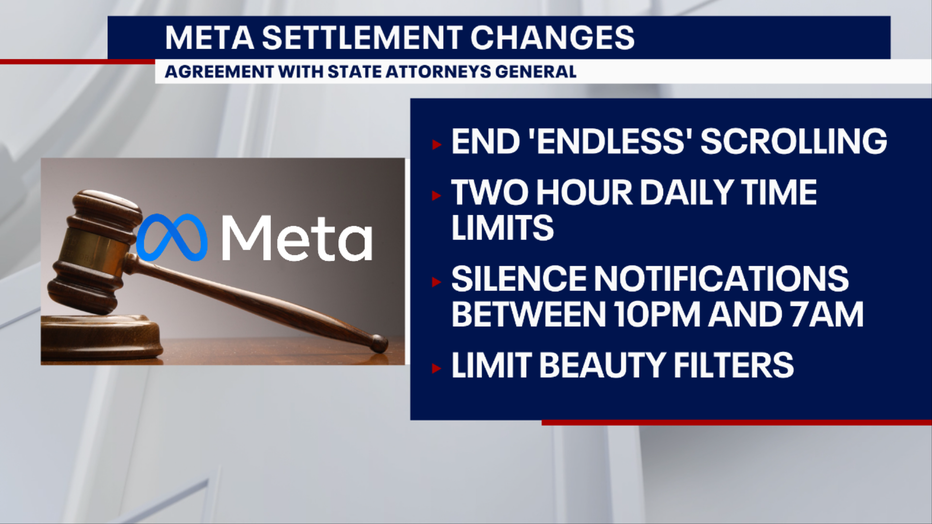
Under the proposed settlement, Meta agreed to adopt a series of safety features, including a "hard cap" on daily time limits and pauses for children using Instagram and Facebook.
It will eliminate push notifications during weekday school hours and bring in "robust" age-assurance measures and "age-appropriate" content controls to prevent bullying and harmful material about eating disorders and self-harm.
There will be stronger and more user-friendly parental controls and limits on social comparison features such as "like" counts.
"Today, we have secured a settlement with Meta that will make social media less dangerous for our kids and make a world of a difference for children and their families," Bonta said in a statement. "Meta has agreed to make massive transformations that will reduce the risk of harm from its platforms."
Leeza Garber, a privacy and cybersecurity attorney, said that the big takeaway is that despite the settlement, this type of litigation is not over.
"We are going to see massive changes to the way they operate and impact our kids," she said. "We also have a data privacy problem."
How a significant portion of the payment received by California will be spent will ultimately be decided by the Legislature and Gov. Gavin Newsom.
But Bonta explained that in the proposed settlement, it is earmarked for purposes related to the prevention or remediation of mental health or other harms to young people associated with social media use.
Meta asks for help
The other side:
Meta Trial Day 1: Father and Facebook insider testifies Meta ignored harm to kids
A former Facebook employee took the stand on the first day of the landmark Meta trial, saying the company downplayed internal research and other warnings that the social media platforms Facebook and Instagram might be causing harm to kids.
Meta also issued a statement, saying that the Menlo Park company wants to "ensure teens benefit from this new industry standard, but we cannot do it alone."
And Meta called on TikTok and YouTube to put the same measures in place.
"All platforms should empower parents and support teens in these ways because we know that when teens are restricted on one app, they simply move to another," Meta said. "For meaningful progress to happen, we urge our peers to join us."
The monetary portion of the settlement is a fraction of the company’s 2025 revenue of $201 billion. The settlement also means that CEO Mark Zuckerberg will not take the stand before a jury.
Original suit filed in 2023
Dig deeper:

Meta trial: Whistleblower says Meta concealed research showing harm to kids
At the Meta trial in Oakland, the jury heard insider testimony from former and current Meta employees who did research on user experiences. The company's social media platforms, including Facebook, are accused of being designed to addict children.
This settlement would close a chapter on the original lawsuit filed in 2023, which alleged that Meta illegally collected and used the data of children under the age of 13 who used its platforms, made decisions in designing its platforms that drove excessive use and put young users at risk, and that it lied to users, their families, and the public about the safety of Facebook and Instagram.
In doing so, it violated federal and state laws, including the Children’s Online Privacy Protection Act, California's False Advertising Law, and California’s Unfair Competition Law.
Parker Byrne, a teenager in Walnut Creek, told KTVU he thought the agreement might be a good idea if parents want to install the controls.
But Sylvia Bierhuis of Walnut Creek added that she presumes many teens will find a way around the protective measures.
"They're very clever and enterprising," she said.
The Source: The information in this story comes from the proposed settlement court filings and statements from California Attorney General Rob Bonta and Meta. Leeza Garber, a privacy and cybersecurity attorney and Parker Byrne and Sylvia Bierhuis. KTVU reporters Allie Rasmus and Jana Katsuyama contributed to this report.