

Michigan's 2026 Senate race: What to know about Abdul El-Sayed vs Mike Rogers
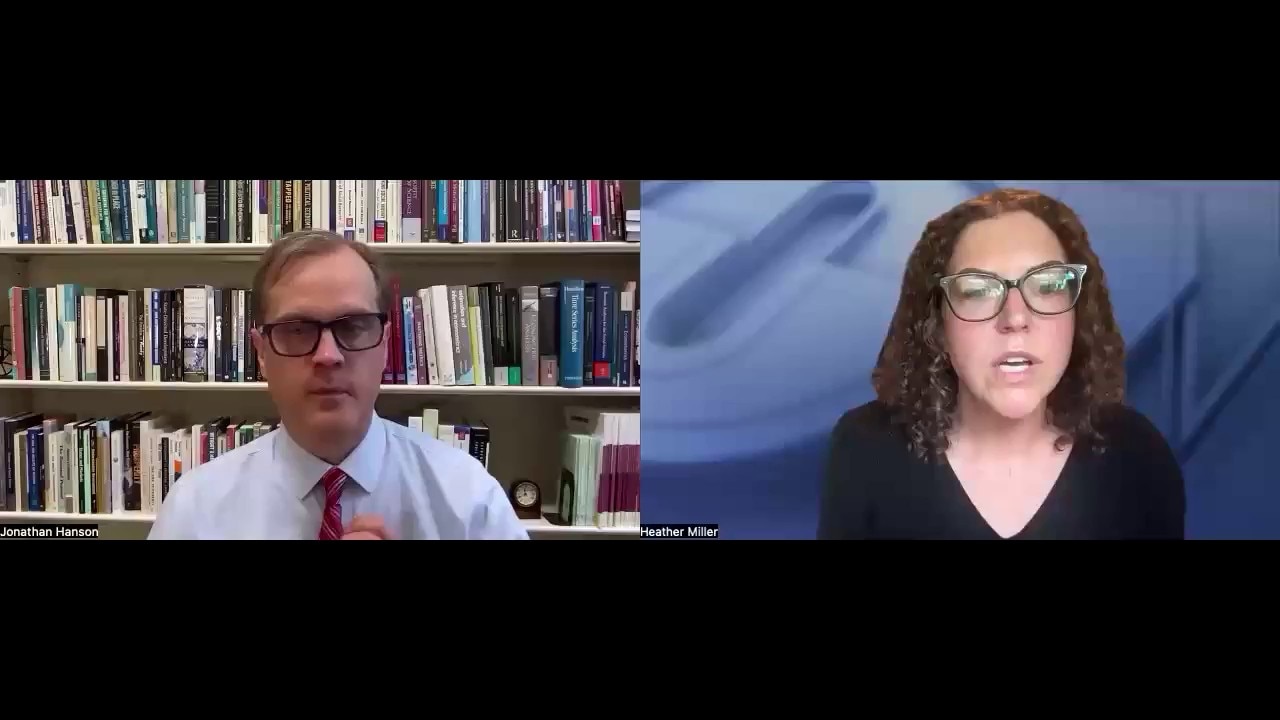
A closer look at Michigan's Senate race
Democrat Abdul El-Sayed and Republican Mike Rogers are facing off for Michigan's Senate race. FOX Local sat down with University of Michigan professor Jonathan K. Hanson to learn more about what's at stake.
Republicans hoping to keep control of Congress in the midterm elections are looking at battleground Michigan as one of the best chances for the GOP to pick up a Senate seat.
On Nov. 3, Michigan voters will choose between progressive Democrat Abdul El-Sayed and Republican Mike Rogers. Here’s what to know:
Who is Abdul El-Sayed?
The backstory:
El-Sayed, 41, who has a medical degree but is not a practicing physician, has never held elected office. He has previously worked as a public health professor, director of Detroit's health department and director of the Wayne County Department of Health, Human, and Veteran Services.
After losing the 2018 Democratic primary for governor to Gov. Gretchen Whitmer, El-Sayed retreated into the political wilderness. He started a podcast, wrote a book and became a regular presence on YouTube and television, slowly building a following.
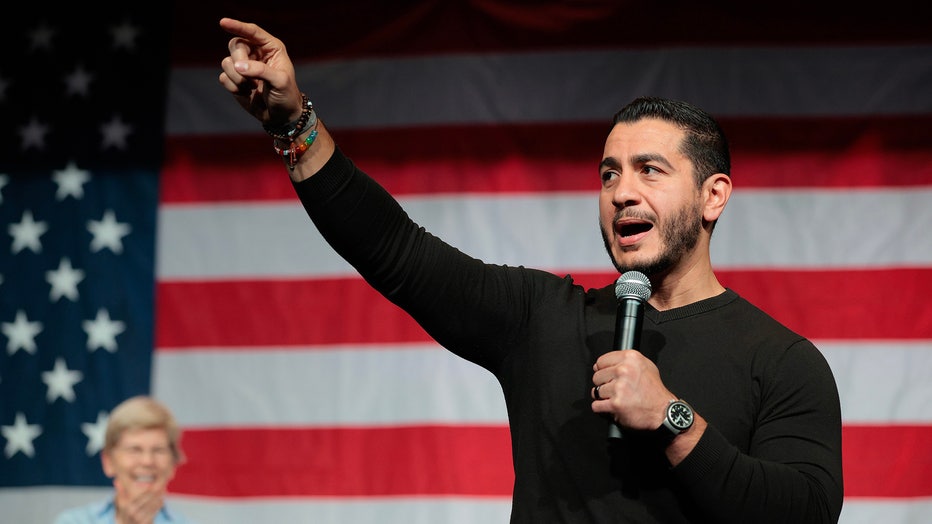
Democratic Senate Candidate Abdul El-Sayed speaks during a campaign town hall at Cadillac High School on October 10, 2026 in Cadillac, Michigan. (Photo by Chip Somodevilla/Getty Images)
When outgoing Sen. Gary Peters made the surprise announcement that he would not seek reelection, it left an open Senate seat in one of the country’s most competitive states. El-Sayed launched his campaign in April 2025 with a staff of four.
This time, he ran on an unapologetically progressive agenda and overcame more than $60 million in outside spending. He narrowly defeated Rep. Haley Stevens, who was backed by many of Michigan’s top Democrats, including Whitmer and Peters.
"In the words of Muhammad Ali, we shook up the world," El-Sayed said following his primary win on Aug. 4.
El-Sayed said he visited 110 cities and hosted more than 500 events. His volunteer network grew alongside the campaign, eventually reaching 12,000 people, according to his campaign.
"He always says this in every speech, he's running on three issues: Get money out of politics, get money into your pocket, and Medicare for all," Jonathan Hanson, a political scientist and lecturer at the University of Michigan’s Ford School, said in an interview with FOX Local. "He's been very consistent in stating that message.
"There are those who argue about how extreme this is, but at least the first two things are not particularly ideological in any direction. The third, Medicare for All, there's a debate to be had about how we should insure people, provide health insurance, and of course he would represent more of a public insurance approach," he continued.
Who is Mike Rogers?
The backstory:
Rogers, 63, an Army veteran and former FBI agent, served in Congress for 14 years and chaired the House Intelligence Committee. He left office in 2015 and served briefly on Trump’s transition team as an adviser on national security issues.
Rogers lost his first bid for Senate two years ago by barely 19,000 votes out of more than 5.5 million cast.
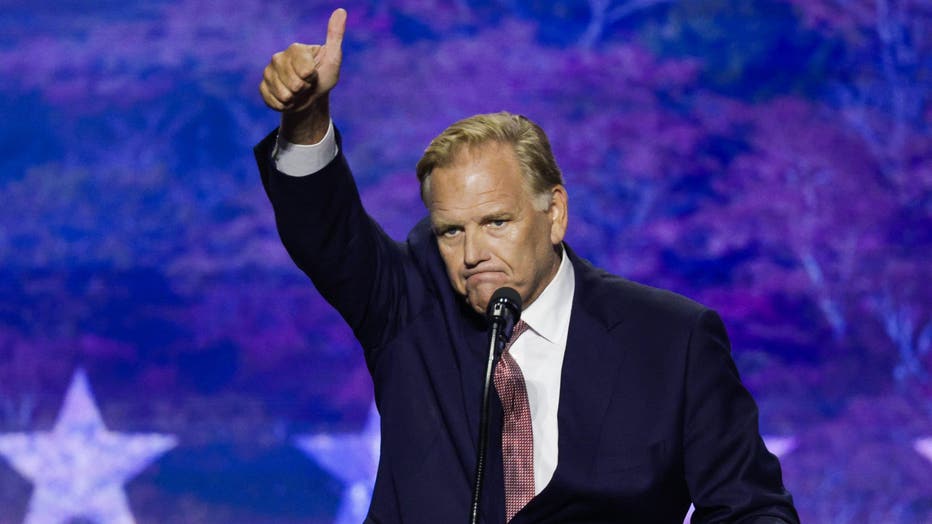
Michigan Republican Senate candidate, former U.S. Rep. Mike Rogers (R-MI) speaks on stage on the second day of the 2026 Republican National Convention at the American Airlines Center on September 10, 2026 in Dallas, Texas. (Photo by Alex Wong/Getty
"He's just sort of a very typical mainstream Republican candidate, I would say," Hanson said.
Rogers went unopposed in the Republican Senate primary race, which "put him in a good position to raise money and not have to worry about being attacked from either the right or the left flank of the Republican party," Hanson said.
This time, he is betting he can win over some Democrats and independents, particularly Black and Jewish voters who may be turned off by El-Sayed’s positions, which are to the left of his party’s establishment, notably on U.S.-Israel relations.
"Rogers is trying to portray himself as sort of a regular leader, a regular Michigander, and speaking of Al Sayeed as being extreme … or not from Michigan," Hanson explained.
Who’s leading in the polls?
By the numbers:
Most polls give El-Sayed a slight edge, though at least two polls have Rogers and El-Sayed even, according to The New York Times.
The latest poll from YouGov, which ran from Sept. 22 - Oct. 4, has El-Sayed with a one-point lead. Trafalgar Group, a GOP pollster, has El-Sayed up by two points.
"Certainly it's within the margin of error on most of the polls, and the race is very close," Hanson said. "So it's definitely hard to make a prediction at this point in time."
What’s at stake?
Big picture view:
Democrats need to pick up four seats to take control of the Senate, Hanson said, which means holding on to the Michigan seat is especially crucial.
"If the Republicans were to pick up the Michigan seat, the chances of Democratic control in the Senate following the election are reduced quite a bit," he said.
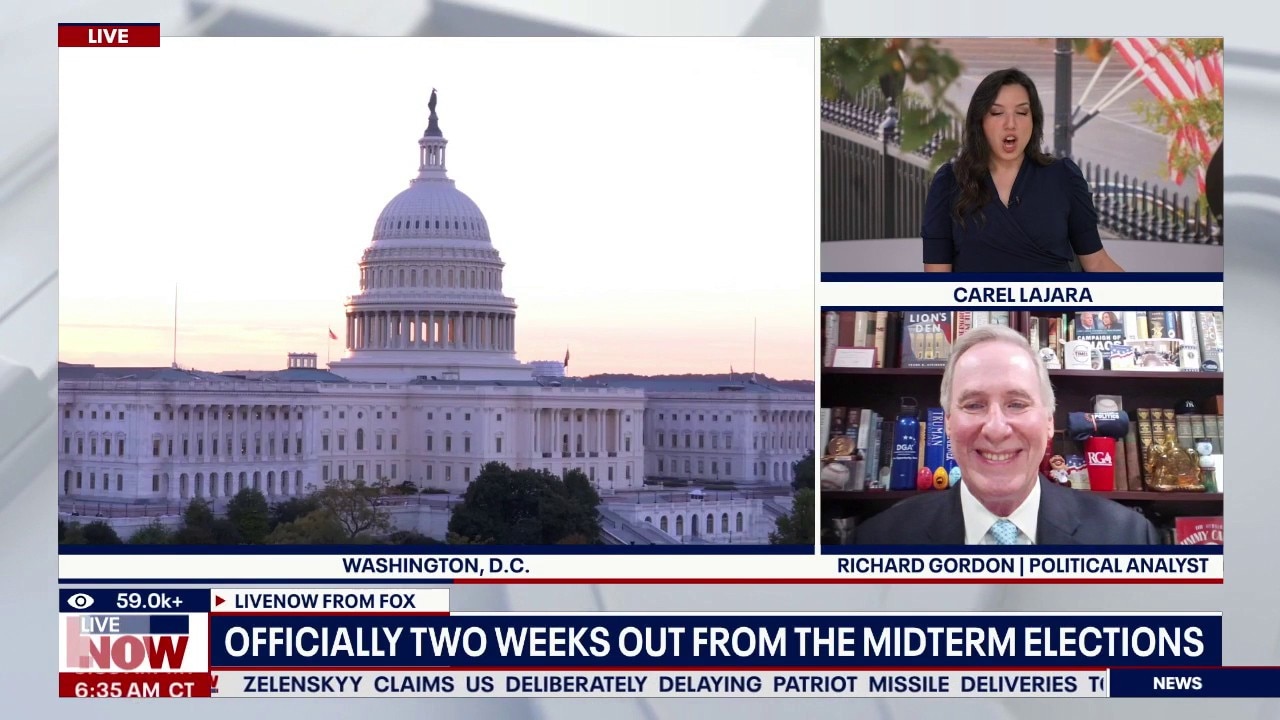
What you need to know about the midterm elections
Early voting has been underway for weeks ahead of the November 3, 2026, midterm elections, when voters will elect members of the House of Representatives, Senate and governors in states across the country.
It’s been 26 years since a Republican held a Senate seat in Michigan, but this midterm race "represents probably one of the better pickup opportunities that Republicans have looking across the Senate races nationwide," Hanson said.
How does Trump play into the race?
Dig deeper:
Hanson said it’ll be interesting to see how Trump plays into the Michigan Senate race. Trump won Michigan in 2024, thanks in large part to swing voters who shifted to Trump "because they thought he would do better to bring costs under control, and that’s not what we’re seeing."
RELATED: New poll says a bipartisan majority of Americans blame Trump for rising costs
Americans largely blame Trump for persistent inflation and higher gas prices due to the Iran war.
"So that does change the dynamics quite a bit compared to two years ago, and what does that say about how they will vote in the Senate race, where kind of the debate is actually more about Trump in some ways than it is about the candidates themselves."
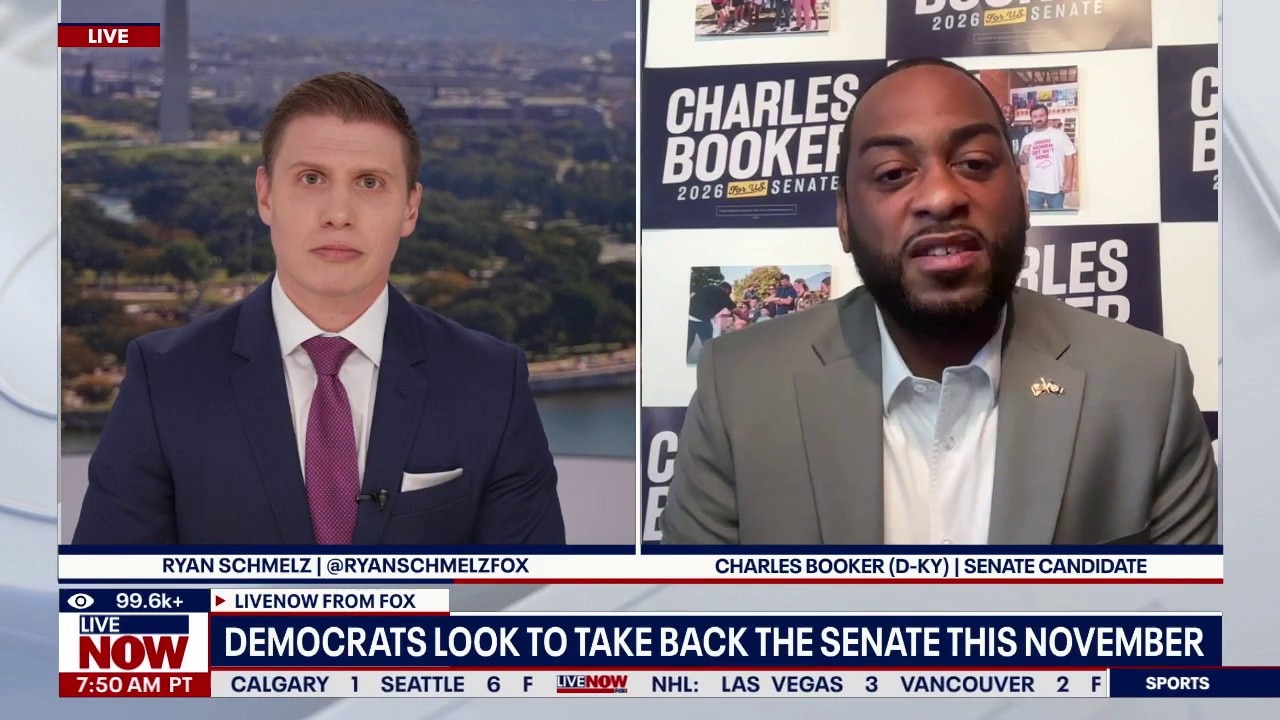
Democrats look to take back the Senate in midterms
Charles Booker, the Democrat candidate for US Senate in Kentucky joined LiveNOW's Ryan Schmelz to discuss his party's push to take back the Senate in the November midterm elections.
Al-Sayed’s campaign has repeatedly tried to tie Rogers to Trump, while Rogers, for his part, has emphasized that because Al-Sayed’s parents are Egyptian immigrants, "he’s not one of us," Hanson said.
"It’s interesting to see in their campaign advertising and in their speeches those themes being emphasized," Hanson said. "And for me, then, it's a question of how persuasive are these lines of argument for the voters who need to make up their minds still?"
The Source: This article includes information from Jonathan Hanson at the University of Michigan’s Ford School, The New York Times, The Associated Press and previous FOX Local reporting.