

Texas lawmakers support lifting summer camp safety requirement made after deadly floods
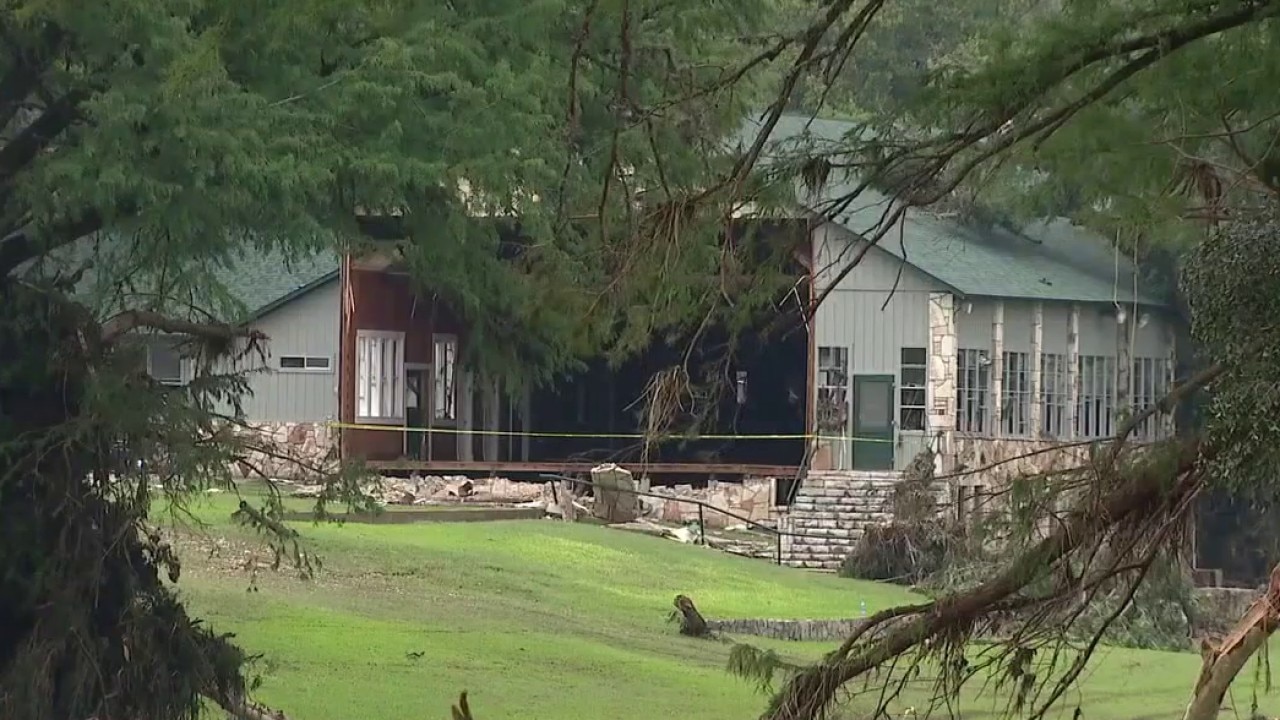
Lawmakers raise concerns about camp safety requirements
The heads of the Texas House and Senate are now voicing their support for lifting a major camp safety law. It has to do with the requirement of fiber optic internet, which many camps have been struggling to meet.
AUSTIN, Texas - The heads of the Texas House and Senate are now voicing their support for potentially lifting a major camp safety regulation.
What they're saying:
On Tuesday, House Speaker Dustin Burrows and Lt. Governor Dan Patrick released a joint statement centered around the fiber optic internet requirement for Texas summer camps. In the statement, Patrick and Burrows acknowledge that some camps have been unable to meet the redundant internet requirement and express their support for licenses being granted to camps that can’t meet the fiber optic connection mandate.
"We, the leadership of the Texas Senate and Texas House, support allowing camps to qualify for licensure through the Department of State Health Services to operate for the summer 2026 season if they have submitted a sufficient emergency action plan, meet all other safety requirements, and maintain a reliable communication system capable of operating during an emergency. The upcoming 90th Legislative Session will provide an opportunity to further strengthen camp safety standards while ensuring camps operating in good faith under these new requirements can continue to serve Texas children and families."
Camps must be licensed by the Department of State Health Services.
The fiber optic mandate was a part of a sweeping wave of laws which were signed into effect after last year’s devastating Kerr County floods. But actually installing the end-to-end connection has proven difficult for smaller and rural camps, where options are limited.
"The Texas Legislature’s comprehensive camp safety act, passed in response to last summer’s tragic flooding disaster, has strengthened safety standards for camps statewide," the statement reads. "These reforms establish a more rigorous approach to preparedness, including long-overdue requirements such as comprehensive emergency planning and training and redundant internet access. We recognize that some camps have been unable to meet the redundant internet requirement because the law requires camps to install new fiber-optic internet infrastructure. We also recognize that there may be means other than fiber to provide reliable redundant internet access, which would satisfy the purpose and spirit of the law."
Patrick and Burrows said the safety requirements for youth camps would be revisited during the 90th legislative session, which begins in 2027.
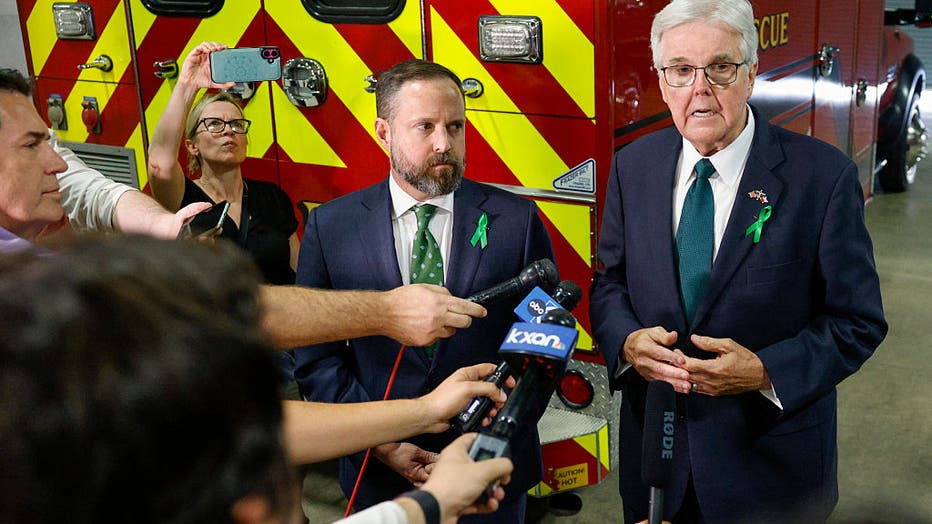
KERRVILLE, TEXAS - JULY 31: Lt. Gov. Dan Patrick (right) speaks to reporters alongside House Speaker Dustin Burrows, R-Lubbock, outside a joint hearing of the Texas Senate and House Select Committees on disaster preparedness and flooding, Thursday, J
Lawmakers passed more stringent licensing requirements in the aftermath of catastrophic floods that swept through the Texas Hill Country last summer, killing at least 135 people, including 27 campers and counselors at Camp Mystic.
Camp directors have pushed back on the broadband requirement, filing a lawsuit in April arguing that the requirement doesn't make camps safer, violates the state constitution and state laws concerning property rights. The camps in the lawsuit argue that the requirement could prevent them from opening this year.
The camps in the lawsuit claim the cost of implementing fiber optic is too much, with Camp Liberty claiming they were quoted $1 million in upfront costs to install fiber optic broadband and a monthly service fee of $3,500. Camp Longhorn claimed they were quoted $1.2 million for installation, but the cost was too high for AT&T and classified as "undeliverable."
Dig deeper:
"We've seen bids from $2 million, a million and a half dollars, which is multiples of the annual budget for some of these camps," says Eddie Walker, the president of the Christian Camps and Conferences Association, which has around 90 member camps across the state.
With the season weeks away, fears have been growing that the fiber mandate will prevent licenses from being granted and close down camps which have been open for decades.
Burrows and Patrick’s statement comes as hundreds of camps across the state are still waiting for their licenses to be approved by the Department of State Health Services, which oversees the license application process.
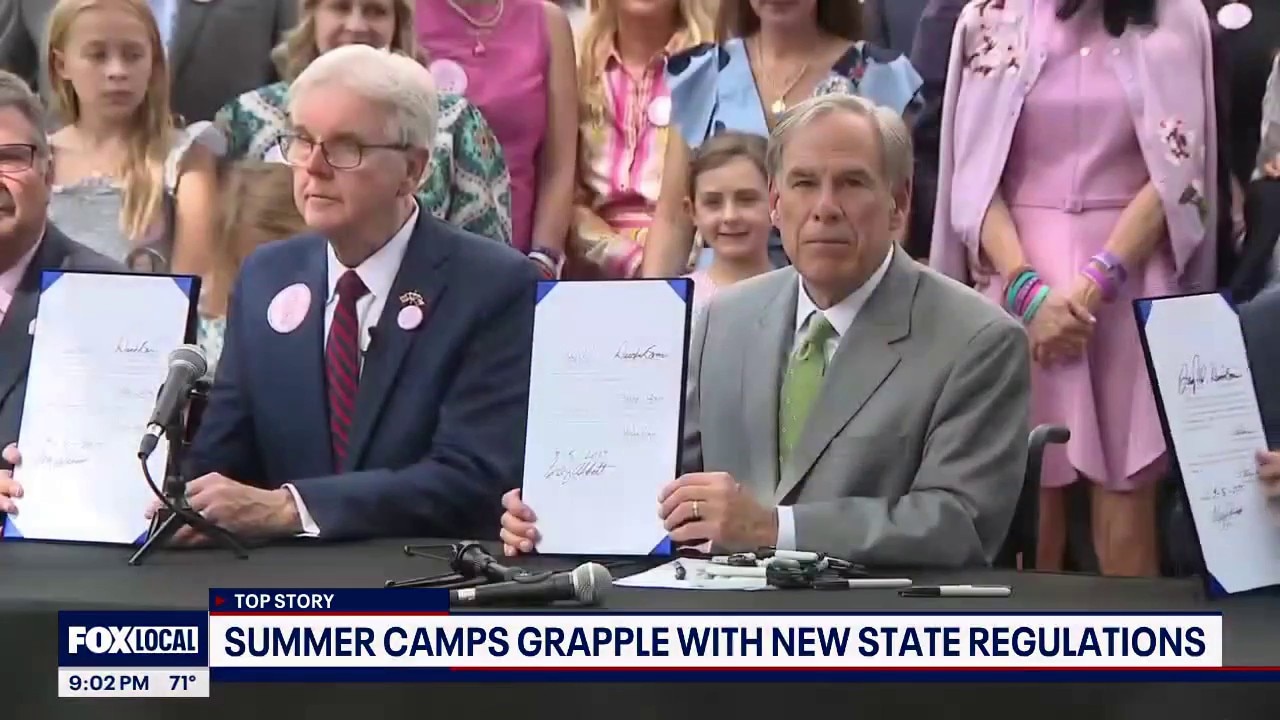
Texas summer camps grapple with new state regulations
As Camp Mystic gets their license renewal revoked, other summer camps across Texas are struggling to meet new state regulations ahead of opening.
But State Rep. Wes Virdell, who represents Kerr County and was one of the first lawmakers to oppose the changes presented by the camp safety legislation, says Burrows and Patrick’s statement is all for show.
"I felt like it was just catering, instead of actually having any weight. There's no legal weight behind what they put out," says Virdell.
He expressed his disappointment in how the camp safety legislation was handled during last year’s special session, believing not enough thought was put into how much it would affect camp operations.
"For those legislators to know those are the consequences and still vote for it's incredibly frustrating to me. And I feel like Texans deserve the best from us."
With the fiber optic mandate officially a statewide law, Virdell says that DSHS doesn’t have the ability to make exceptions to what can be accepted when it comes to camp safety.
"Those agencies, I feel for them, but they are basically under the dictation of what we pass in the legislature. And unless, or until we pass something different, they have to follow the law there, or they face consequences for not following the law," says Virdell.
That was also made clear by DSHS themselves, who told lawmakers at last week’s investigative hearing into the July 4th floods, that no licenses would be granted to camps until all requirements are met.
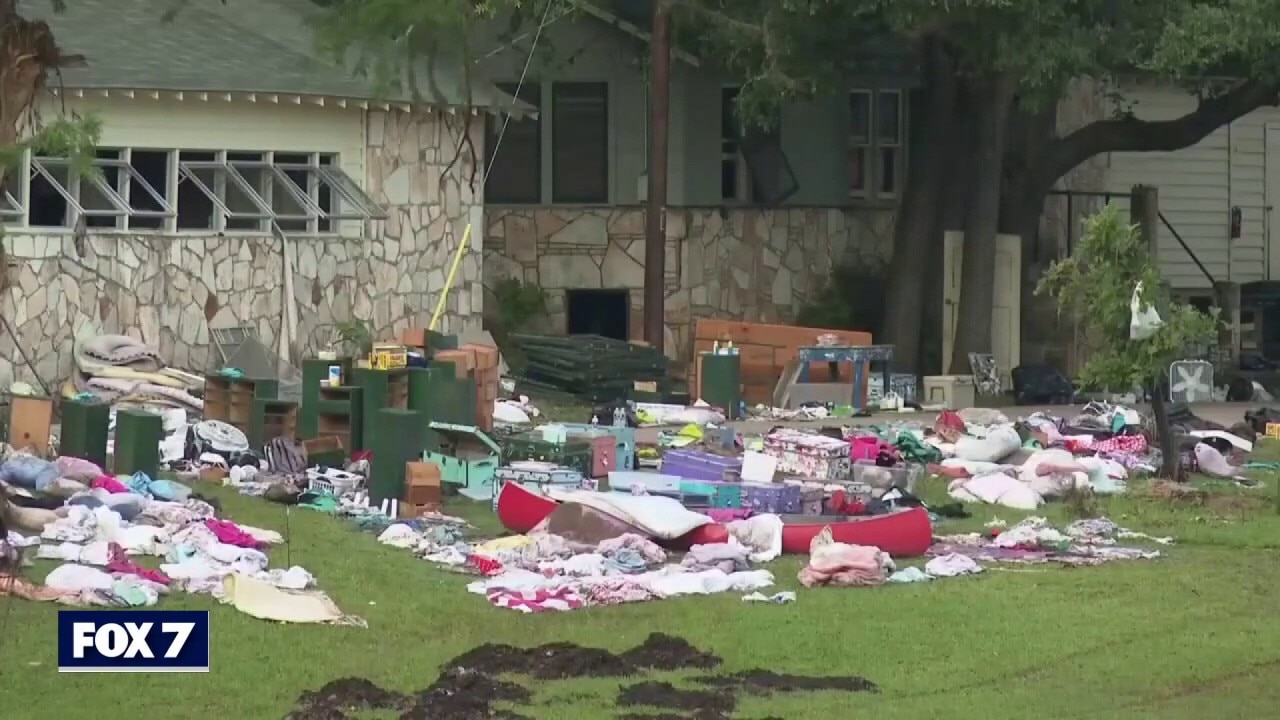
Summer camps grapple with new state regulations
As Camp Mystic gets their license renewal revoked, other summer camps across Texas are struggling to meet new state regulations ahead of opening.
But summer camps who can’t comply with the fiber optic mandate aren’t completely eliminated from operating.
According to the Texas Government Code, a summer camp can appeal if rejected for a license renewal. During that process, they’ll be able to operate using their existing license while DSHS makes a decision, which could take months.
"In some meetings I've had with some of the folks that are dealing with this, they believe that they could possibly go all the way into the spring of 2027 before they make a decision on the appeal," says Virdell.
State Rep. Virdell has already requested Governor Abbott to call for a special session to address issues raised regarding camp safety legislation, but with hopes dwindling of its possibility, the next option could be in the courts.
"We either have to come back to session to fix this bill or there has to be an injunction from the court," says Virdell.
In April, 19 camps across Texas filed a lawsuit against the state for the fiber optic mandate, claiming the law does not make their property safer and could prevent them from opening due to the high costs.
If an injunction were to be granted, it could block DSHS from enforcing fiber optic internet as a requirement this season.
The Source: Information in this article comes from a statement from Lt. Gov. Dan Patrick and House Speaker Dustin Burrows, court documents filed in Travis County and previous FOX Local reporting.