

US airlines’ spend $6.5B in fuel cost as global profit forecast takes a sharp drop
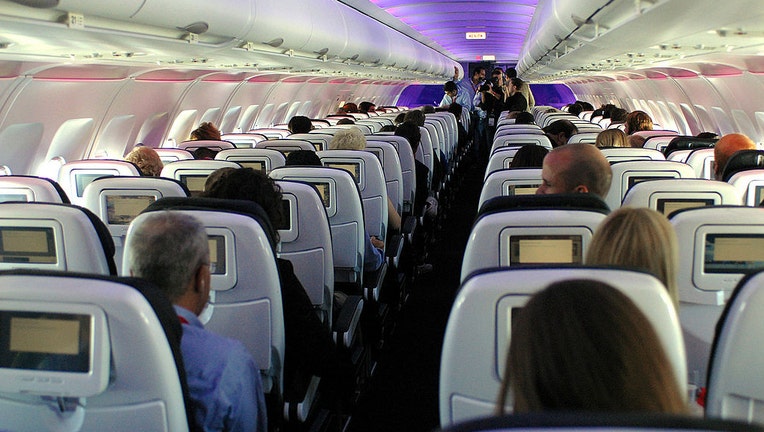
FILE-Passengers sit in their seats as their flight prepares to depart. (Photo by Bob Riha/WireImage/Getty Images)
Airlines in the U.S. spent nearly $6.5 billion on fuel in April, compared with about $3.6 billion in 2025, according to the Bureau of Transportation Statistics.
Fuel consumption in April was 1.573 billion gallons, a slight decline from 1.575 billion gallons last year.
The ongoing conflict in the Middle East has also contributed to soaring oil prices and jet fuel.
RELATED: Air Canada suspending flights to JFK over rising jet fuel costs
Meanwhile, the International Air Transport Association (IATA) released a report on Sunday stating that it expects airlines globally to earn a combined $23 billion in net profit in 2026.
The IATA told The Associated Press that jet fuel prices are expected to average $152 a barrel this year, boosting the global airline fuel expenses to roughly $350 billion.
IATA officials added that fuel is projected to account for over 31% of airline operating expenses in 2026 this year. Additionally, in the U.S., the price for a gallon of jet fuel in April was $4.11, the AP noted, citing the Bureau of Transportation Statistics.
Airlines adjusting business operations amid rising fuel costs
Dig deeper:
American Airlines told The Associated Press that it was suspending some of its routes this summer.
Lufthansa Group in April shared with the AP that it would slash 20,000 short-haul flights through October, while Air Canada announced it was suspending its service to New York’s John F. Kennedy International Airport from June until late October.
RELATED: Soaring jet fuel prices threaten to drive up summer travel costs
Additionally, other airlines, from U.S. carriers to international carriers, have either cut flights, altered their schedules or stopped plans to add more seats and routes in 2026.
The Source: Information for this story was provided by The Associated Press, which references Bureau of Transportation statistics. This story was reported from Washington, D.C.