

US home sales hit 9-month low as rising mortgages, Iran conflict weigh on buyers
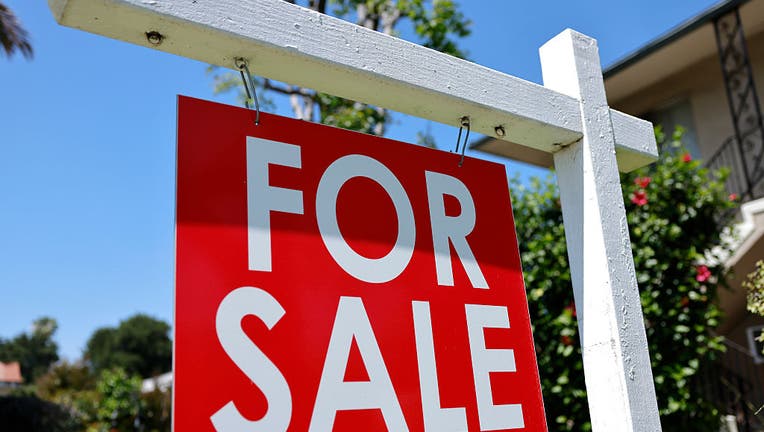
A "For Sale" sign is posted outside a property on April 7, 2026 in Pasadena, California. Before the war in Iran began, the average 30-year fixed home mortgage rate had fallen below 6 percent, but rates have since climbed back up to close to 6.5 perc
WASHINGTON - U.S. existing home sales slid to a nine-month low in March, weighed down by limited inventory and rising worries about the labor market.
A recent jump in mortgage rates—driven in part by the war with Iran—could further dampen housing activity this year.
The National Association of Realtors reported a sharper-than-expected drop in sales on Monday, even though affordability had improved earlier in the year. The U.S.-Israeli conflict with Iran has pushed up gas prices and rattled financial markets, reducing household wealth and weakening consumers’ ability to buy homes.
RELATED: Homebuyers are back despite rising rates — What to know
What they're saying:
"There is little in the near-term backdrop to suggest a quick rebound in sales," said Daniel Vielhaber, an economist at Nationwide. "We continue to look for sluggish sales this year, particularly in the first half, before a gradual pickup as mortgage rates decline in the second half and into 2027."

Impacts of a 50-year mortgage for homebuyers
President Donald Trump has mentioned a new plan to develop a 50-year mortgage that officials say could expand access to homeownership, though some experts are worried that longer-term mortgages could hamstring homebuyers. LiveNOW’s Andy Mac is learning more about how the proposal could impact homebuyers with Jason Mitchell, a real estate broker and the founder of the Jason Mitchell Group.
By the numbers:
Home sales fell 3.6% in March to a seasonally adjusted annual rate of 3.98 million units, marking the lowest level since June 2025. That came in below economists’ expectations of a 4.06 million pace, according to a Reuters poll. Existing home sales are recorded at closing, meaning the March figures likely reflect contracts signed in January and February, when mortgage rates were declining.
RELATED: Mortgage rates increasing again amid Iran war
The average rate on a 30-year fixed mortgage stood at 5.98% in late February, just before the onset of the war, supported by increased purchases of mortgage-backed securities by Freddie Mac and Fannie Mae. Rates then climbed to 6.46% in early April and averaged 6.37% last week, according to Freddie Mac.
Mortgage rates tend to follow U.S. Treasury yields, which have risen amid inflation concerns fueled by the Middle East conflict. Recent government data showed consumer prices in March increased at their fastest pace in nearly four years.
Sales declined across all four regions in March and were down 1.0% compared to a year earlier. Activity remained particularly weak in the under-$250,000 segment, highlighting a persistent shortage of entry-level homes.
The National Association of Realtors also revised its 2026 home sales growth forecast down to 4% from 14%. Its housing affordability index slipped to 113.7 in March from 117.5 in February, though it remained higher than the 104.2 level recorded a year ago.
RELATED: Best markets for first-time homebuyers in 2026, according to data
Why you should care:
The labor market has shown signs of weakness, with nonfarm payrolls declining in six of the past 15 months. Housing affordability has also emerged as a key political issue ahead of the November midterm elections, as homeownership becomes increasingly unattainable for many Americans.
Inventory of existing homes rose 3.0% to 1.36 million units, though it remains well below pre-pandemic levels. Supply was up 2.3% compared to a year ago. At the current sales pace, it would take 4.1 months to clear the available inventory, slightly higher than the 4.0 months recorded a year earlier.
RELATED: Sellers slash prices on 1 in 5 homes in 9 metros, Sun Belt states dominate list
The drop in supply was concentrated in the condominium and co-op segment, where inventory plunged 29.9% from a year ago. In contrast, single-family home inventory increased 7.8% year over year. Some economists have raised concerns about the reliability of the data.

Real estate mogul: Residents flee after Mamdani win
Miami based real estate investor Isaac Toledano, CEO of BH Group, shares with LiveNOW's Josh Breslow that in the past few months, his company has signed multiple contracts with buyers from New York amid concern of a Mamdani administration.
Despite tight supply, the median existing home price climbed 1.4% from a year earlier to $408,800, the highest level ever recorded for March. Most homes sold fell within the $250,000 to $500,000 price range, while the median time a property spent on the market increased to 41 days from 36 days a year ago.
First-time buyers made up 32% of sales, unchanged from last year, though economists say a 40% share is typically needed for a healthy housing market. All-cash transactions accounted for 27% of sales, up slightly from 26% a year ago. Distressed sales, including foreclosures, represented 2% of transactions, down from 3% a year earlier.
The Source: Reuters contributed to this report. The information in this story comes primarily from data released by the National Association of Realtors (NAR), including monthly existing home sales figures, inventory levels, and pricing trends. This story was reported from Los Angeles.