

Woman sentenced in Texas for helping smuggle nearly 2,000 immigrants into US
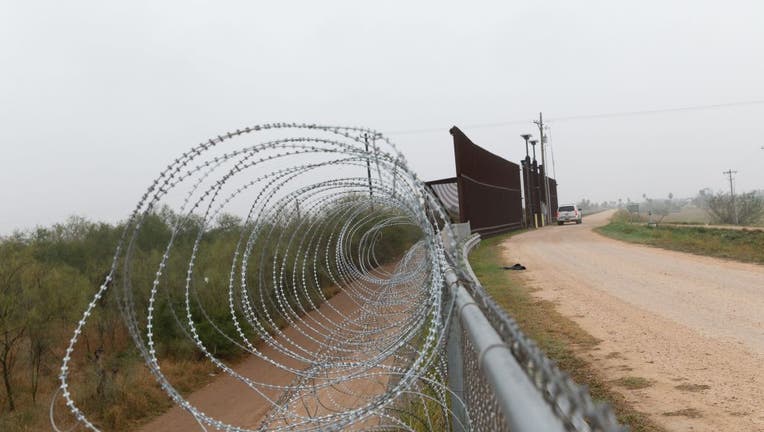
This photo shows a fence with barbed wire on the US side of the US-Mexican border on January 15, 2019 in McAllen, Texas. (Photo by SUZANNE CORDEIRO / AFP) (Photo credit should read SUZANNE CORDEIRO/AFP via Getty Images)
LAREDO, Texas - A woman has been sentenced to years in federal prison for her role in a cartel-linked scheme to smuggle more than 1,900 undocumented immigrants into the U.S.
The woman, a resident of Mexico, was herself in Texas illegally, a Wednesday press release from federal officials said.
Mexican national sentenced
What we know:
Giovana Lozano Hernandez, 27, pleaded guilty to her role in smuggling undocumented immigrants for financial gain on Sept. 3, 2025. She was sentenced to 70 months in prison this week by U.S. District Judge John A. Kazen.
According to the U.S. Attorney's Office, Southern District of Texas, the court saw evidence that the large-scale smuggling organization operated as a "one-stop shop" for harboring and transporting undocumented immigrants on the U.S. side of the border. Hernandez was found to have acted as the group’s de facto chief financial officer.
Featured
Texas man gets 14 years for immigrant smuggling operation that killed 2
A Texas resident was one of the defendants to be sentenced this week for his role in an immigrant smuggling operation that resulted in the deaths of two undocumented migrants.
Large-scale smuggling operation
The backstory:
Hernandez was found to have been working alongside her husband, Danny Nunez, 35, for Cartel del Noreste to help smuggle the immigrants, the release says. Nunez was also sentenced recently, receiving a 10-year sentence in January.
The release details several smuggling events Hernandez was tied to, including one incident involving over 100 undocumented immigrants being smuggled in a single trailer.
What's next:
Hernandez will remain in custody pending transfer to a Federal Bureau of Prisons facility to be determined in the near future.
The Source: Information in this article comes from the U.S. Attorney's Office, Southern District of Texas.