

You can thank El Niño for this year's record-slow Atlantic hurricane season: Here's why
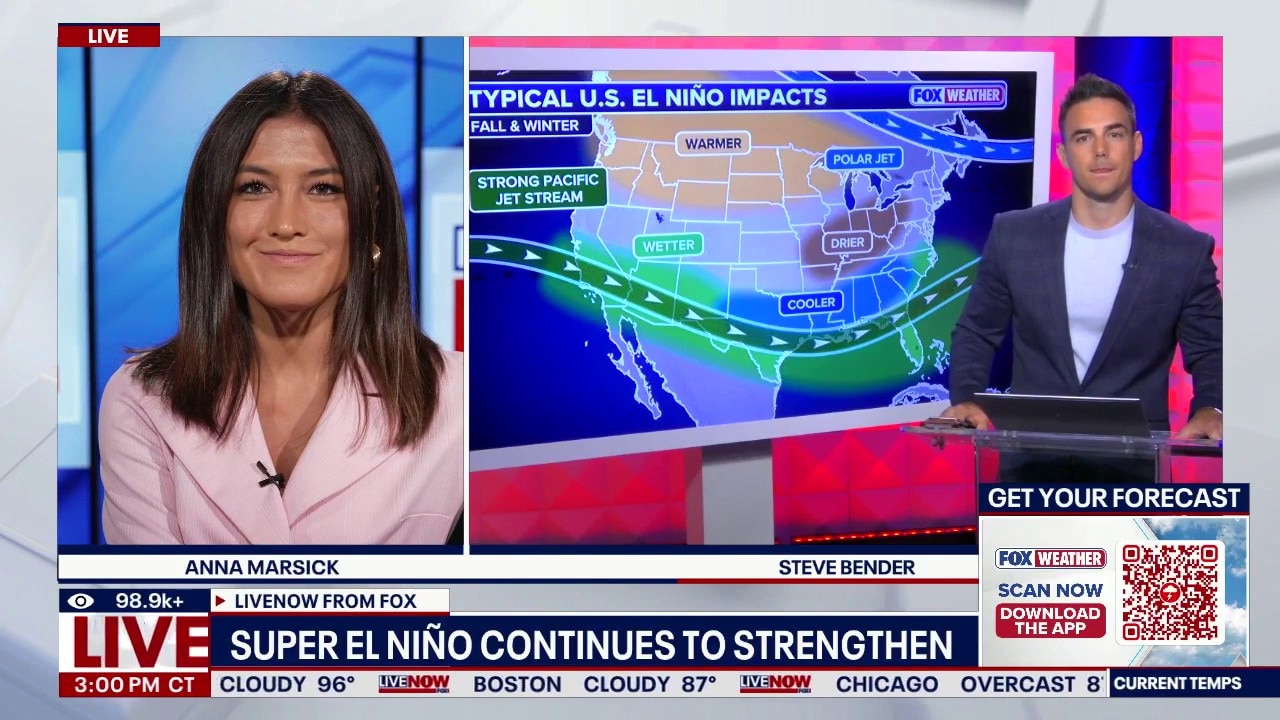
Super El Niño brewing for peak hurricane season
According to FOX Weather, El Niño is strengthening toward record levels and is expected to reach "Super" status by the end of the year. LiveNOW's Anna Marsick brings FOX Weather Steve Bender into the conversation to discuss.
The Atlantic is experiencing a record-slow hurricane season this year thanks to an especially strong El Niño.
Mid-September is considered peak hurricane season, according to the National Hurricane Center, but there have been zero hurricanes in the Atlantic thus far. On Saturday, 2026 set a record for the longest a season has begun without a storm that has reached winds of 74 mph to qualify as a hurricane — at least in the satellite era. Here’s why:
El Niño’s impact on hurricane season
Big picture view:
Experts say this year’s enormous El Niño has been crushing storms before they get going. Kristen Corbosiero, a University at Albany atmospheric science professor, told The Associated Press that storms are being met with a "triple whammy" of winds that decapitate a storm, dry air that starves it and downward pushing winds that basically smother it.
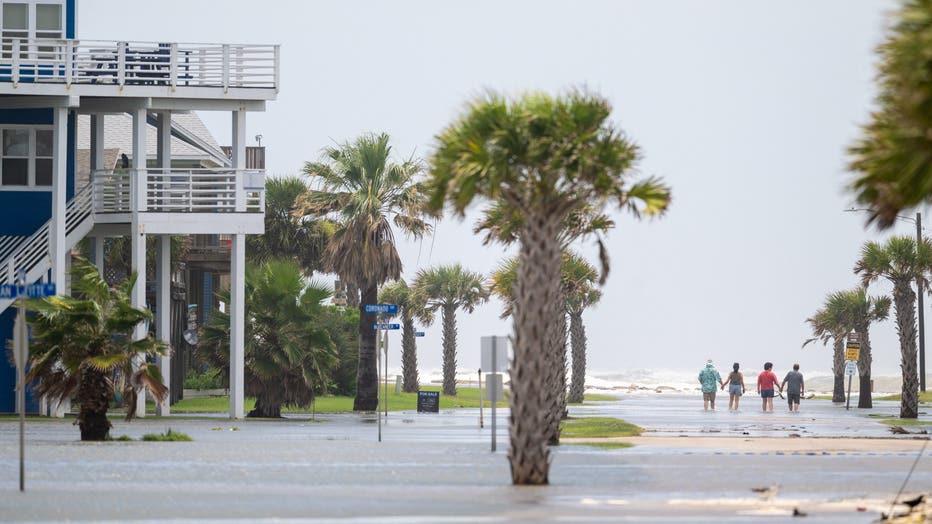
People walk through a flooded neighborhood after Tropical Storm Arthur made landfall on June 17, 2026 in Freeport, Texas. Tropical Storm Arthur was the first named storm of the record-slow 2026 Atlantic hurricane season. (Photo by Brandon Bell/Getty
Those three factors are typical impacts of El Niño, the natural and temporary warming of parts of the equatorial Pacific that warps and warms weather worldwide.
What they're saying:
"It’s really staggering, just how inhospitable the Atlantic is to anything that could form a tropical cyclone right now," Corbosiero said.
The biggest El Niño effect in the Atlantic is record-strong wind shear, which is when strong easterly winds hit a storm system at low levels while strong westerly winds push it the other way at upper altitudes. The result is that they "tear apart" the storm, Corbosiero said.

The meaning of El Nino and La Nina
The status of whether the world is being impacted by an El Nino or a La Nina is determined by water temperatures in the central and eastern Pacific. (NOAA)
"It’s just hammering the Atlantic. It’s just impressive," Colorado State University hurricane expert Phil Klotzbach said. "We haven’t even had anything really even close to a hurricane."
By the numbers:
Only five relatively weak and brief tropical storms have formed this season, bringing storm activity in the Atlantic to only 7% of normal for this time of year.
RELATED: Farmers Almanac winter forecast: What a strong El Niño means for your region
Dig deeper:
Just as El Niño traditionally hampers the Atlantic hurricane season, it tends to increase tropical cyclone activity in the Pacific. So far this year, storm activity in the eastern Pacific is nearly double normal, with hurricanes lasting much longer than usual. In the central Pacific, activity is about 40% more than normal. Hawaii has been hit twice.
RELATED: Tourism officials urge visitors to avoid Hawaiian island in wake of Hurricane Lowell
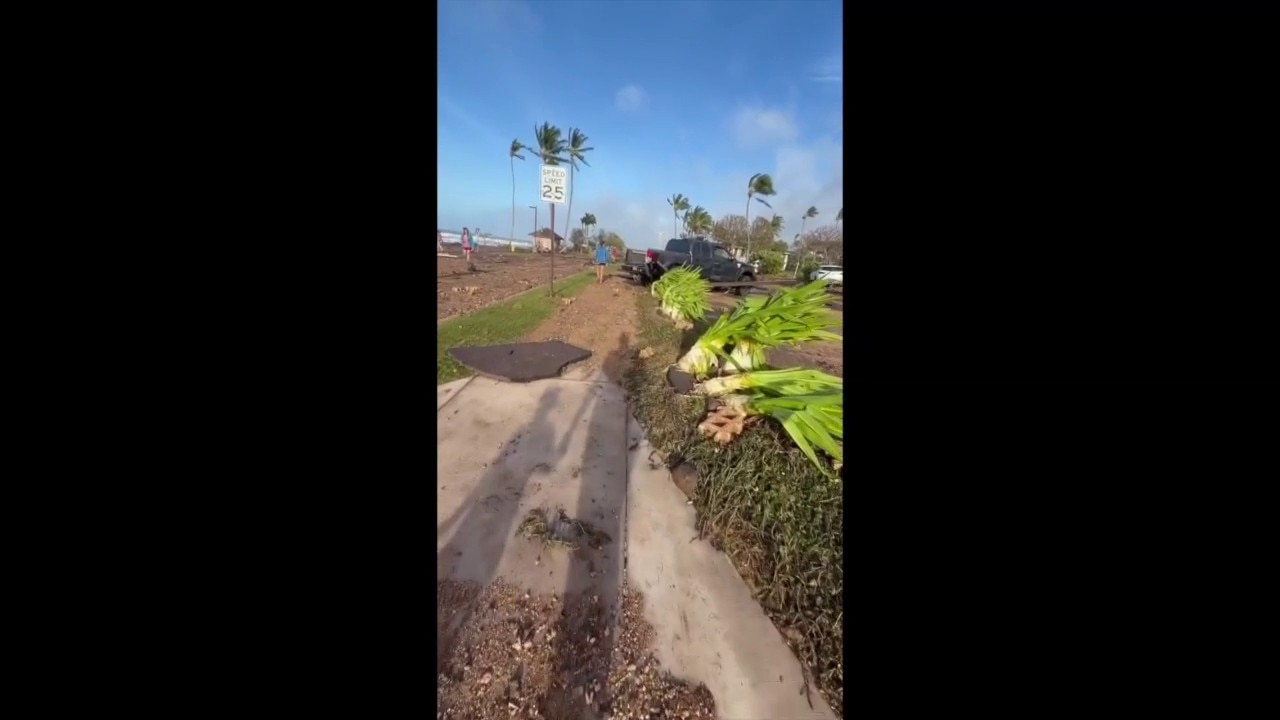
Hurricane Lowell Causes Damage at Sheraton Resort on Kauai
Hurricane Lowell caused damage to oceanfront hotels and resorts on Kauai as it brought powerful winds and rain to the Hawaiian islands on Monday, September 7. (Credit: Shelby Harp via Storyful)
Don’t let your guard down
Why you should care:
Still, experts say people need to remember that it only takes one storm to cause widespread devastation. They recalled 1992’s hurricane season, which started slow but ended with a deadly and destructive Hurricane Andrew.
MORE: August cracks record for hottest month ever recorded
Andrew struck from the Gulf of Mexico, the one area where scientists say the wind shear hasn’t been as high this year. Storms there tend to really get going later in the season, so there could still be some strong ones coming to that region.
Looking Ahead:
The waters of the Atlantic are a few months behind the atmosphere in feeling the El Niño effect. But next year, as the El Niño winds down and cools closer to normal, the warm water will persist, which will increase the odds for next season to be extra busy, experts say.
The Source: This report includes information from The Associated Press.