

What is an Ozone Action Day?

FILE – Fireworks' impact on air quality
With fireworks shows expected this weekend FOX 4's Kylie Capps explores how it could impact the quality of air inside of your home.
You’ll occasionally hear the term Ozone Action Day mentioned during your local newscast.
The Texas Commission on Environmental Quality (TCEQ) is responsible for issuing these ozone alerts.
What is ozone?
Ozone is a gas that is found in the atmosphere. It is formed when three atoms of oxygen combine.
In the upper layers of the atmosphere, it forms a protective layer that shields us from the sun’s UV rays. However, when it is found near the ground, it becomes a toxic respiratory agent.
What causes ground-level ozone?
Ozone forms near the ground on days when high-pressure dominates the weather patterns and leads to clear skies and light winds. This most often happens in Texas during summer.
Ground-level ozone develops from chemical reactions driven by sunlight between nitrogen oxide and volatile organic compounds (VOCs) emitted by industrial facilities, vehicle exhaust, gasoline vapors and biological sources.
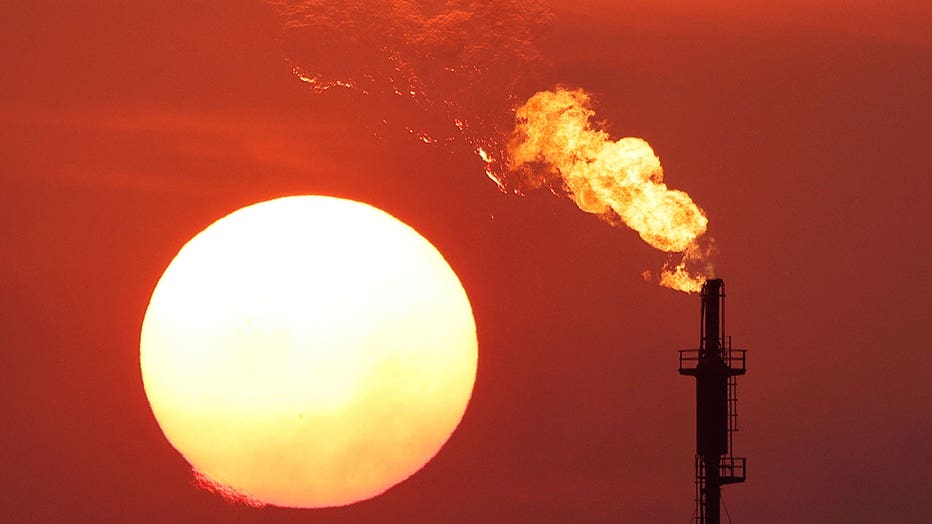
An industrial plant flares during a summer evening. (Getty Images)
Does ozone impact my health?
People who suffer from respiratory illnesses, such as asthma, emphysema and chronic bronchitis, can have trouble breathing on days when ground-level ozone is high.
According to the Environmental Protection Agency (EPA), high ozone levels can cause coughing, a scratchy throat, pain when taking a deep breath, damage to your airways and an increase in the frequency of asthma attacks.
What should I do during an Ozone Action Day?
It is recommended that people who suffer from respiratory illnesses limit their outdoor activity when ground-level ozone is high.
TCEQ also recommends:
- Limiting driving and idling.
- Refueling your vehicle in the late afternoon or evening and don’t top off the tank.
- Don’t burn yard waste.
- Use paint and cleaning products that have lower levels of or no VOCs.
How can I check the ozone levels in my area?
Go to airnow.gov to find air quality information for your area.
The Source: Information in this story came from the Texas Commission on Environmental Quality and the Environmental Protection Agency.