

2026 Election: Access to public voting records could bring new election reform
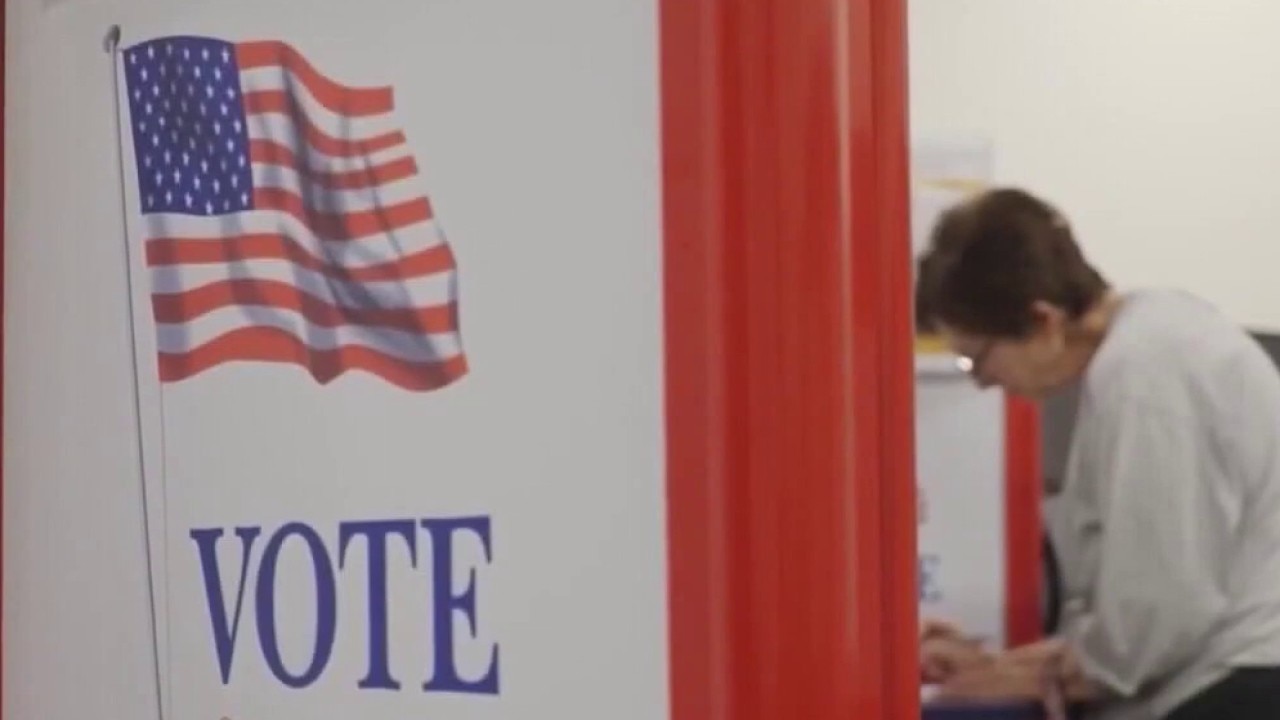
When you vote, the calls and texts stop
If you've already voted, you may notice the blitz of phone calls and text messages from the campaigns has finally stopped. The reprieve is because of a state law, originally written to prevent fraud at the ballot box. But now technology is turning the data into a voter prediction tool.
TEXAS - If you've already voted, you may notice the blitz of phone calls and text messages from the campaigns has finally stopped.
The reprieve is because of a state law, originally written to prevent fraud at the ballot box. But now technology is turning the data into a voter prediction tool.
Access to public voting records
The backstory:
How you voted may be a secret, but whether you have voted, that’s no secret. Most voter roll information is public information, including where and when you voted.
Texas law requires early voting rosters to be posted by 11 a.m. the next morning. That data has been available for years and is posted online by the Texas Secretary of State as well as some county clerks.
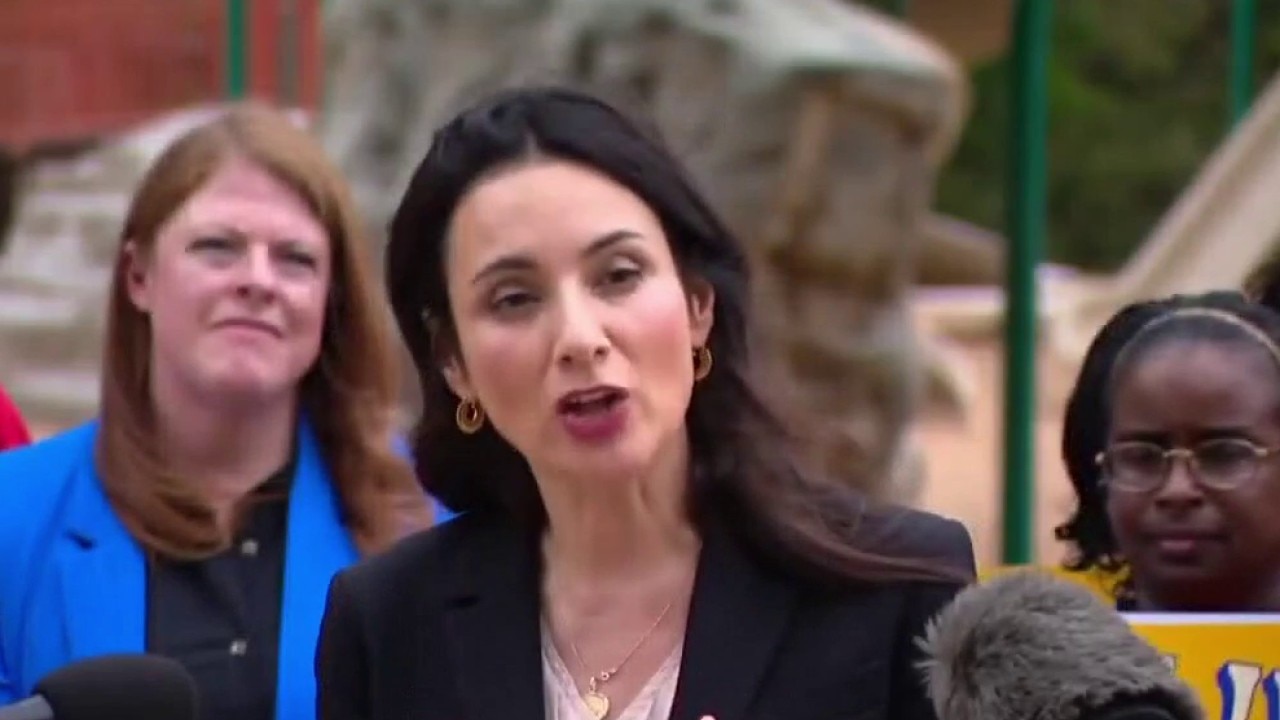
PREVIOUS COVERAGE: 2026 Election: Race for Texas governor
The first week of early voting is wrapping up. In the governor's race, the latest Emerson Poll still has Gov. Abbott in the lead. But some political observers said there's a familiar echo from the past on the campaign trail, and history could be on the verge of repeating itself.
Texas Association of County Election Officials executive director Chris McGinn provided FOX 7 with the following steps:
CHOOSE: ‘2026 NOVEMBER GENERAL ELECTION,’
FIND: ‘Unofficial Early Voting Turnout by Date,
SELECT: a specific day and see the early vote totals for each county.
DOWNLOAD: a roster (in .csv or excel doc format) to see who voted that day, what their voter ID number is, how they voted (in person or by mail), and what precinct they are registered in.
What they're saying:
"I don't think that the voting data could be manipulated in the sense of actually switching vote totals or any manipulating," said Chris McGinn, executive director of the Texas Association of County Election Officials.
In the Battleground Texas show, it was noted how this public voter information can be used for redistricting, and for political campaign outreach, which is why people who have not yet voted still get blitzed with mailers, phone calls and text messages.
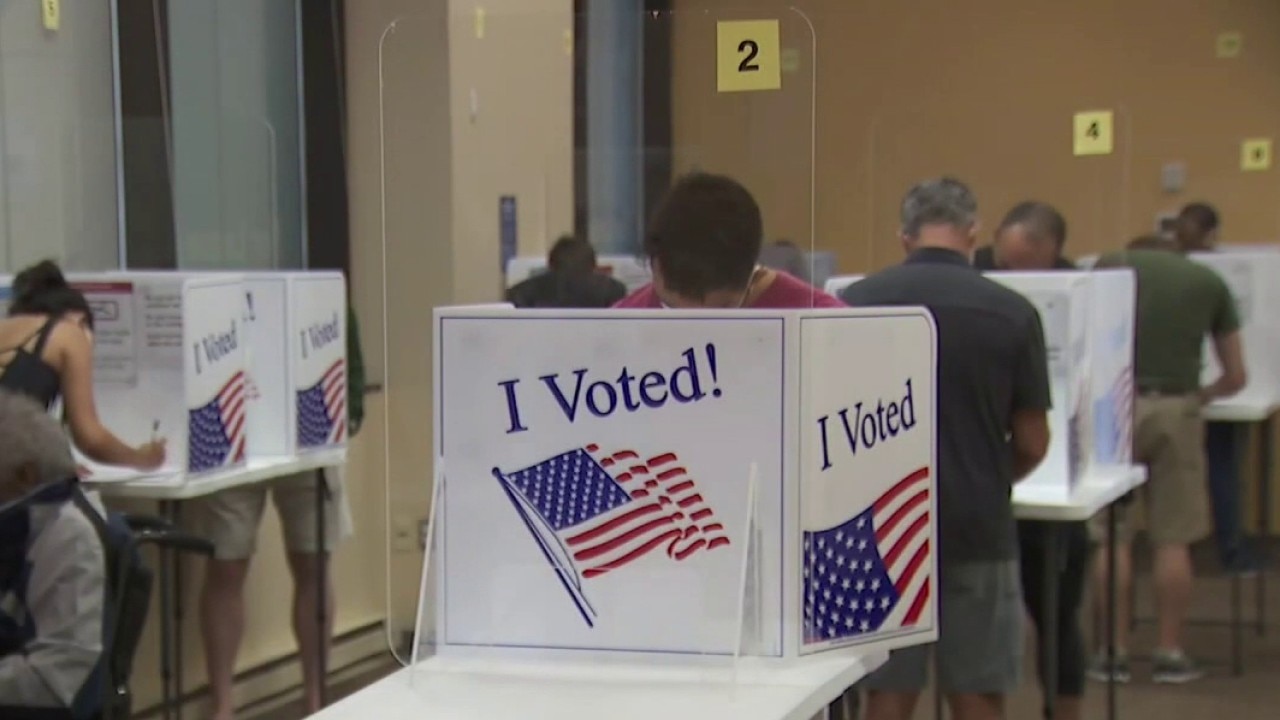
PREVIOUS COVERAGE: 2026 election: Early voting gets underway in Texas
Officials have been preparing to make the voting process run smoothly and they've also been working to clear a backlog of voter registrations. Natalia Contreras with the nonprofit, nonpartisan news organization Votebeat explains.
Advances in computer programming are now being used by political analysts, and the emerging prediction market industry, to gain more insight about what voters are doing at the ballot box.
"I don't think there's anything sketchy about it, but I just think the ease of using it has changed greatly. There's not some poor intern sitting in a room with a highlighter and reams of voter information highlighting potential names. This is all done quickly through a data center. You can match the information with the precinct and the previous voting record and have a really good idea of whom this person is and they vote my way. And if so, I'm going to send them a text," said Brian Smith of St. Edwards University.
Big picture view:
Exactly how a person voted may not be available, but the available data could be manipulated. McGinn noted how political messaging can be a lot like commercial advertising.
"I think that's one of the scary things about these prediction markets, whether we're talking about elections or we're talking about war, or we're talking about anything else, that it does get a little bit scary about how it does manipulate kind of the behavior of a society or the behavior of the decisions that are being made," said McGinn.
Homeowners can keep their property tax info from being posted and released. But there is no opt-out option to keep all public voter data private.
"These are still estimates, and we know that the only accurate estimate is the vote itself. Anything else is just an estimate. Until we get that final voting number, nothing else really matters," said Smith.
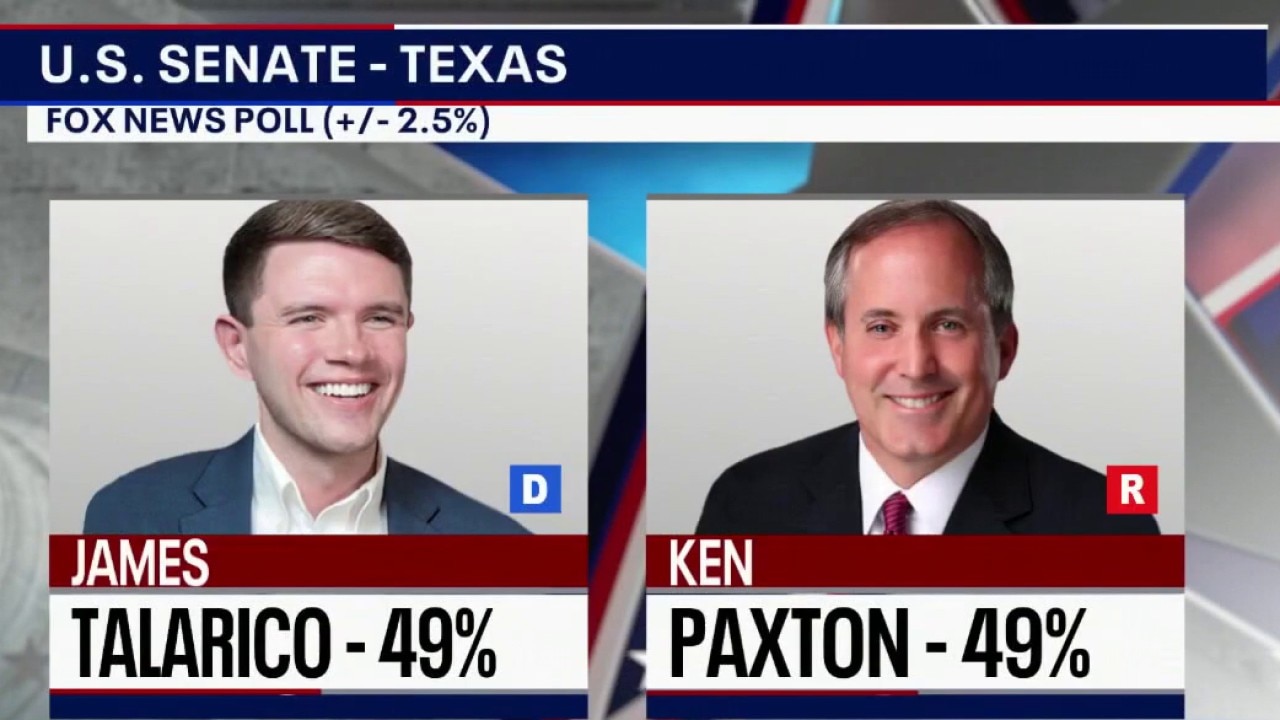
PREVIOUS COVERAGE: Close race for U.S. Senate in Texas
The new and conflicting polling numbers come as candidates are about to close out the first week of early voting.
What's next:
The use of information by prediction market services may bring some reform efforts. State lawmakers return to Austin in January and the discussion about voter info access could be part of the debate over closing political primary elections.
"Yeah, I think there'll be a lot of discussion around the primary, as you know. There's a push for close primaries, at least from the Republican side. So I think kind of that primary and that allegiance to party allegiance is definitely going to be a topic of conversation. I think all that rolls into the conversation we're having is that the predictions are being made not on any full out data, it's just on the thought that they're going to follow those patterns," said McGinn.
The Source: Information from Texas Association of County Election Officials executive director Chris McGinn, Brian Smith of St. Edwards University, Battleground Texas and reporting by FOX 7 Austin's Rudy Koski