

Austin airport to receive new air traffic control system
FAA transforms air traffic control system at Austin airport
A major high-tech facelift is officially live at Austin-Bergstrom International Airport. It is designed to modernize air traffic management and cut down time spent idling on the tarmac.
AUSTIN, Texas - A major high-tech facelift is officially live at Austin-Bergstrom International Airport.
It is designed to modernize air traffic management and cut down time spent idling on the tarmac.
The backstory:
The Federal Aviation Administration is deploying what it calls the largest transformation of U.S. skies since the invention of commercial flight.
Austin-Bergstrom is the 18th airport in the nation to receive the new digital system, known as the Terminal Flight Data Manager.
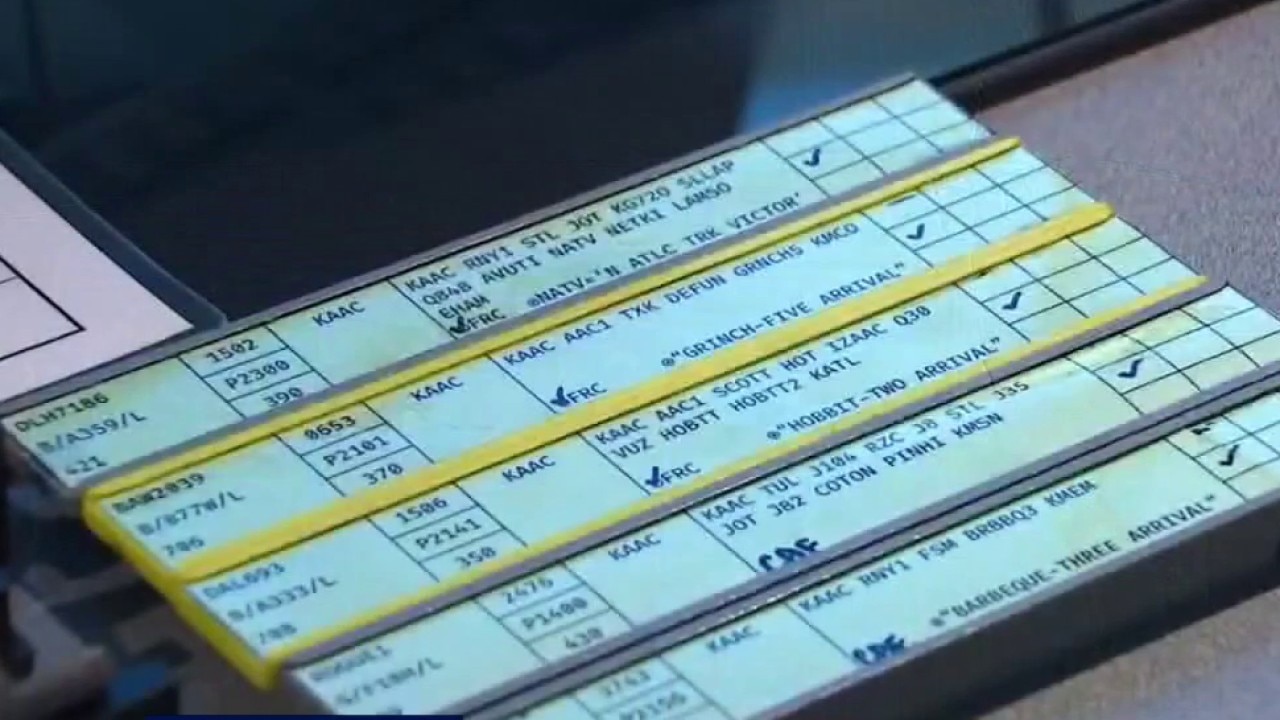
For decades, air traffic controllers in Austin and across the country relied on small pieces of paper to manually track planes on the runway. As of this month, that age-old tradition is going extinct.
"A strip of paper gets printed for every aircraft that is flying, and two strips get printed — so about 55,000 a day," said Amee Patel, acting air traffic systems director for the FAA. "And what we're now going to be doing is replacing that digitally."

PREVIOUS COVERAGE: Austin airport to double in size over next decade
Austin-Bergstrom International Airport will nearly double in size over the next decade.
Developed by defense technology company Leidos, the Terminal Flight Data Manager allows controllers to track aircraft and coordinate ground movements on touchscreens rather than paper.
"That electronic flight strip incorporates critical flight data from multiple systems that is updated in real time and displayed on a touchscreen at each controller workstation," said Darcy Jones, Terminal Flight Data Program manager at Leidos.
Until now, controllers hand-wrote flight details on paper, scratching out changes with a pen before physically passing them down the line to clear planes for takeoff or landing. Now, with a few taps on the screen, that data is updated immediately and sent directly to the cockpit.
"For all the previous airports that have received this, the controllers don't want to go back," Patel said. "They have seen the benefit of being able to electronically make changes and track all of their aircraft that they are responsible for without any concerns."

PREVIOUS COVERAGE: Air traffic controller shortage at Austin airport
The City of Austin is urging the FAA to do more to help with the shortage of air traffic controllers at Austin Bergstrom International Airport.
When asked about safeguards for worst-case scenarios like power outages, network failures, or system glitches, Jones assured that backup protocols remain intact.
"In the worst-case scenario, if everything were to fail all at the same time in a catastrophic situation, the paper flight strip would still work," Jones said.
The digital overhaul is part of a $12.5 billion modernization effort for American aviation funded through Congress.
"We've been trying to upgrade the system, but because of funding, we never had the ability to deploy it," Patel said. "Now that we have received the adequate funding, we have the opportunity to deploy to the airports."
Dig deeper:
Earlier this summer, the same technology was installed at George Bush Intercontinental Airport in Houston.
The federal government plans to deploy the system at nearly 90 airports nationwide by 2028, including Dallas Fort Worth International Airport and William P. Hobby Airport in Houston.
The Source: Information from interviews conducted by FOX 7 Austin's Katie Pratt