

City of Austin addresses emergency services spending
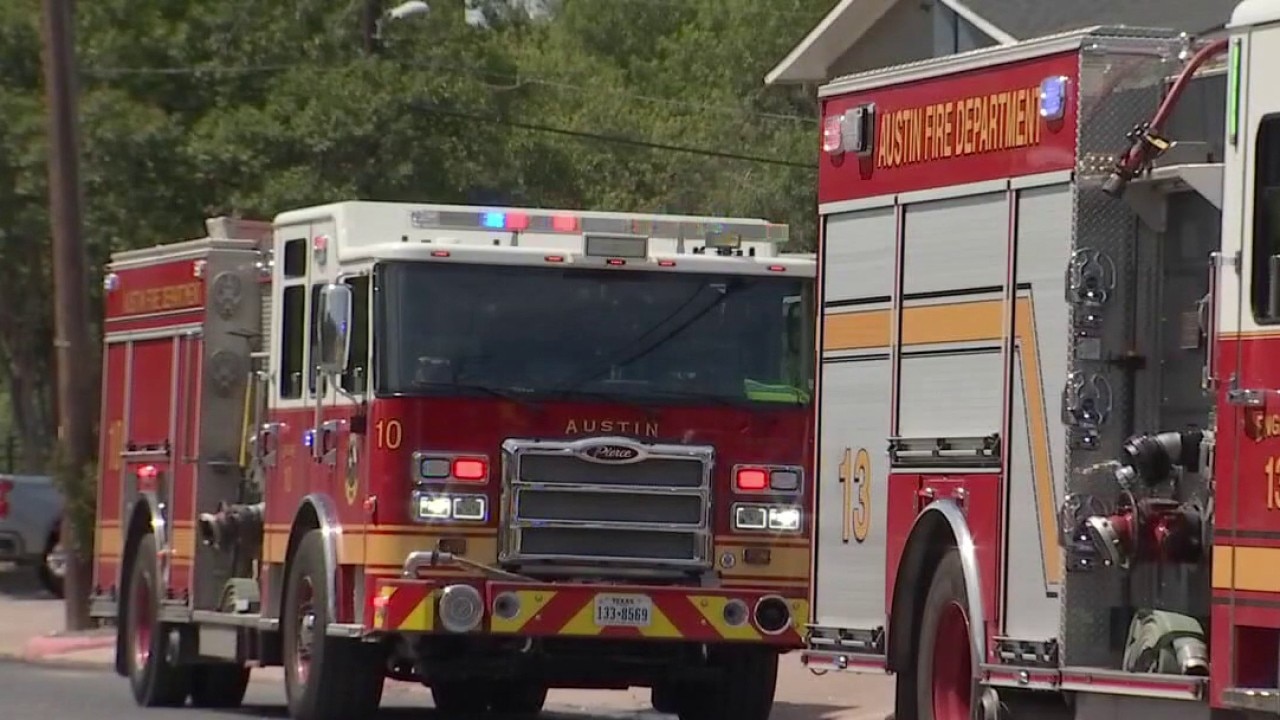
Austin addresses emergency response spending
Overtime expenses for Austin’s emergency services have surpassed budgeted allocations by millions of dollars this fiscal year, driving municipal leaders to evaluate public safety spending ahead of upcoming budget decisions.
AUSTIN, Texas - Overtime expenses for Austin’s emergency services have surpassed budgeted allocations by millions of dollars this fiscal year, driving municipal leaders to evaluate public safety spending ahead of upcoming budget decisions.
Dig deeper:
Members of the Austin City Council’s Public Safety Committee and the Public Safety Commission met Monday afternoon at City Hall for a joint briefing with agency heads to review year-to-date spending for the Austin Police Department, the Austin Fire Department, and Austin-Travis County Emergency Medical Services.
Financial reports through June 30 show that while police and fire departments continue to rely heavily on extra shifts to maintain baseline coverage, EMS expenditures have remained under allocated caps.
Austin Police Department
APD reported $28.9 million in sworn overtime expenditures through June, exceeding its $26.5 million baseline budget by more than $2.4 million, or roughly 9%. In June alone, officers logged 41,645 overtime hours totaling $3.1 million.
Overtime spending reached a peak in March at more than $5 million, driven by major community events such as South by Southwest, weekend street closures in the downtown entertainment district, and active criminal investigations.
Police Chief Lisa Davis told committee members that persistent staffing shortages remain the principal driver of extra hours.
"Over 80% of our overtime is spent in that backfill vacant positions," Davis said. "And so, as we are all well aware, over 300 vacant sworn positions... those have to be filled."
According to departmental data:
- 80% of overtime covers frontline patrol backfill for 911 priority calls.
- 14% funds public safety initiatives, including South by Southwest ($1.5 million) and homeless encampment outreach ($35,000 to date).
- 6% supports specialized investigations, including homicides, robberies, and traffic fatalities.
To manage expenditures, APD is holding weekly executive tracking meetings and planning a modified lateral cadet class scheduled for February.
Austin Fire Department
AFD reported $14.9 million in overtime spending through June, exceeding its $10.2 million fiscal year allocation by 46%. Department leadership projects total year-end overtime costs could reach approximately $21 million, though operational adjustments have saved $1.8 million from initial projections.
Tom Vocke, chief of staff for the Austin Fire Department, noted that the department's overtime budget was reduced by $8 million prior to last year, complicating cost containment under mandatory minimum coverage rules.
AFD requires 278 seats to be filled across engine and ladder companies during every 24-hour shift to satisfy its four-person apparatus staffing standard.
"Eighty-five percent of that overtime is spent directly on putting folks in trucks," Vocke said. "The four-person staffing is the primary driver of that, and that's where 85% of our overtime funding goes."
AFD officials report that injury prevention initiatives saved 60,000 hours of added time this year. The department is also conducting two accelerated lateral cadet classes—including a 25-member cohort beginning next week—to fill 73 open positions.
Austin-Travis County EMS
In contrast, Austin-Travis County EMS spent $12.98 million of its $16.6 million year-to-date allocation, retaining 41.5% of its overtime budget.
ATCEMS Chief Rob Luckritz explained that unlike police officers and firefighters, EMS personnel are not covered by the Fair Labor Standards Act 7(k) exemption. Because weekly shift hours vary under a 24-hour-on, 72-hour-off rotation, overtime accumulates automatically after 40 hours worked in a single week.
"We are actually under budget for our overtime spend," Luckritz said, noting that while overall personnel costs remain tight due to terminal leave payouts and academy costs, expanding online and on-shift training has helped reduce classroom overtime.
What's next:
Public safety expenditures account for more than 50% of Austin's General Fund. During Monday's briefing, Council Member Mike Siegel raised whether non-general fund sources, such as Hotel Occupancy Tax or Tourism Public Improvement District revenues, could be used to offset police costs during major festivals like South by Southwest.
City Council members will continue budget deliberations throughout August before adopting the fiscal year 2026–2027 budget.
The Source: Information from interviews conducted by FOX 7 Austin's Katie Pratt