

Texas summer power demand could jump nearly 10% from last year, ERCOT says

FILE – One-on-one with ERCOT CEO Pablo Vegas
In this extended interview, FOX 7 Austin's John Krinjak goes one-on-one with ERCOT CEO Pablo Vegas to discuss the Texas power grid and whether it is prepared for the rest of this winter.
AUSTIN, Texas - The group charged with operating the bulk of the Texas power grid said this week they are preparing for a record level of electricity demand this summer.
What we know:
According to a report from the Electric Reliability Council of Texas, forecasters expect a hotter summer than last year. Temperatures are forecast to be similar to the summer of 2012, which was the 17th-hottest on record. However, a summer similar to 2023 – the second-hottest on record – cannot be ruled out.
The warmer temperatures coupled with an increase in industrial needs for electricity, including cryptocurrency mining operations, will add to the expected record demand this summer.
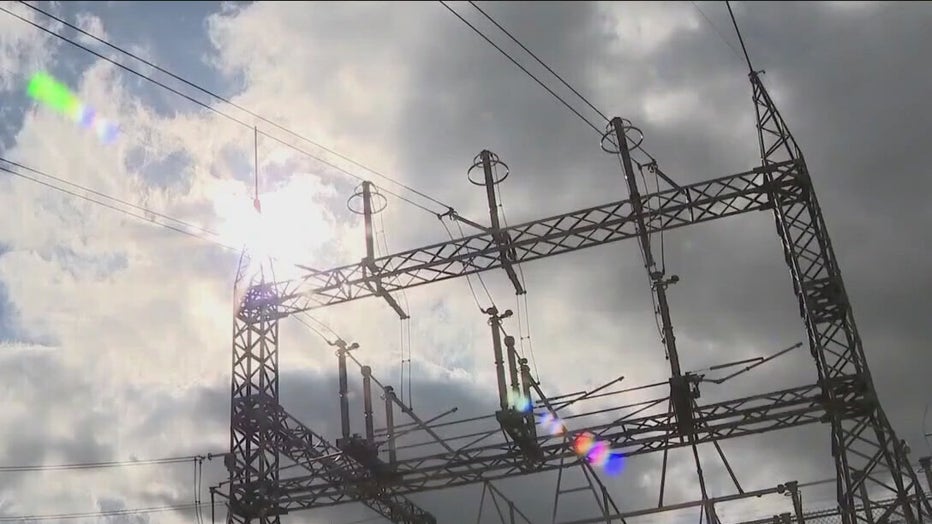
Sun shines through clouds over a power substation in Austin, Texas, in 2022. (FOX 7 Austin)
What they're saying:
"Given expectations for a hotter summer than last year, our forecasted peak is 92,211 MW (megawatts), and current outlooks point to a strong potential for a new summer peak," ERCOT officials wrote in the report.
If that pans out, that would be nearly 10% higher than the 83,679 MW peak demand last summer. It would also be about 8% higher than the record peak of 85,464 MW during the summer of 2023.
What's next:
ERCOT said it is considering adding more Congestion Management Plans to the system this summer. These plans aim to prepare operators for potential overloads and could require localized load-shedding if particular contingencies occur.
The backstory:
The state of the Texas power grid has taken center stage since the Great Texas Freeze in 2021. More than 200 people died after widespread power outages left people across the state in the freezing cold for days. A federal investigation found that power plants and natural gas equipment froze after some facilities failed to properly winterize.
The rapid growth of data centers in Texas has also raised concerns about the cost of electricity for consumers and whether power infrastructure can handle the larger demand.
The Source: Information in this story came from ERCOT and previous reporting.