

Ex-Texas Tech professor admits to running fentanyl ring, trading drugs for sex, documents say
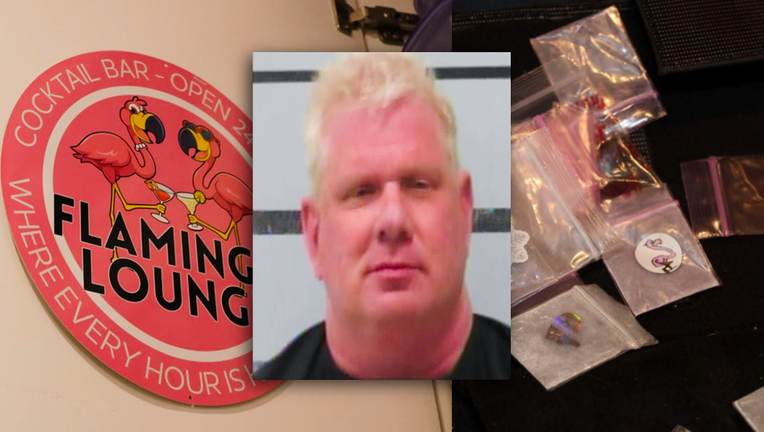
Daniel Taylor (Source: Lubbock County Jail, US District Court factual resume)
LUBBOCK, Texas - A now former Texas Tech University assistant professor has pleaded guilty to his leadership role in a federal fentanyl distribution conspiracy, admitting he used his expertise in supply chain management to run a sophisticated narcotics network that traded drugs for sex and caused at least eight overdoses.
Daniel Taylor, 51, of Lubbock, entered his plea on July 1 to conspiring to distribute more than 40 grams of fentanyl, announced U.S. Attorney for the Northern District of Texas Ryan Raybould.
Federal prosecutors said Taylor utilized his academic position at the university’s Rawls College of Business to construct a trafficking network centered around a Lubbock motel.
Sophisticated fentanyl ring
What they're saying:
"Taylor utilized his education and background in supply chain management to build and operate his own supply chain of dangerous narcotics in the Lubbock area, primarily dealing out of the Executive Inn," Raybould said in a statement. "With his pink flamingo and ghost branding of fentanyl, he also drugged prostitutes to fuel his own sexual desires."
The backstory:
According to court documents, the Drug Enforcement Administration (DEA) and the Caprock High Intensity Drug Trafficking Area (HIDTA) Task Force began investigating Taylor in June 2025 after learning a Texas Tech professor known as "Dan" was selling fentanyl powder.
Investigators detailed a highly organized system where Taylor traded fentanyl and methamphetamine to women in exchange for sex. Cooperating sources told agents that upon arriving at Taylor’s residence, they would find narcotics displayed on his kitchen counter. After consuming the drugs, the women were directed to a bathroom where Taylor provided a gift basket containing lingerie, perfume, and toiletries. Court records show Taylor routinely photographed women in lingerie before having sex with them.
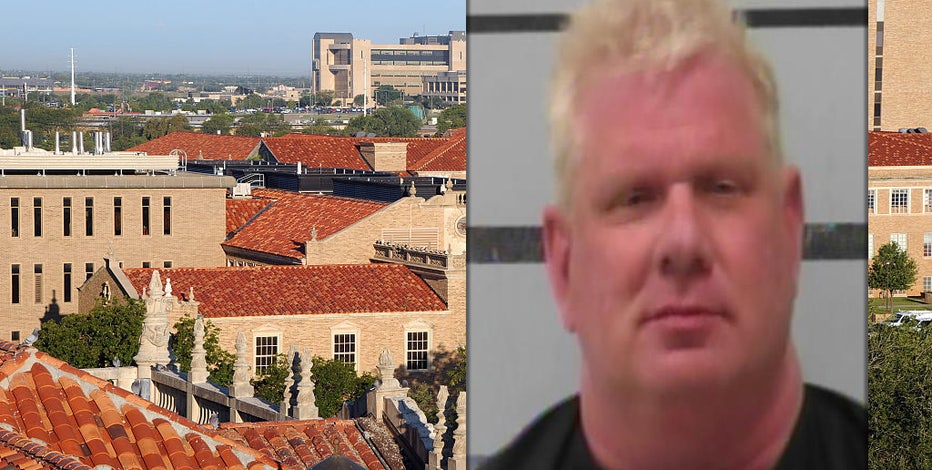
Texas Tech business professor accused of creating fentanyl 'supply chain'
A Texas Tech professor is facing federal charges relating to possessing and distributing fentanyl.
Pink Flamingo Fentanyl
Taylor referred to the women as his "flamingo fam" and told investigators he planned to buy a house where they could all live together. He admitted to exchanging drugs for sex with prostitutes multiple times a week for at least two years.
The operation involved distinct branding and professional packaging. Taylor initially distributed a potent white fentanyl powder nicknamed "ghost," but after buyers warned him that the product was causing widespread overdoses, he altered the formula. Taylor began mixing the fentanyl with bromazolam, a controlled substance, and added water and red food coloring to create a pink powder.
Marketing the new mixture as "pink flamingo," Taylor affixed cartoon flamingo stickers to the drug packages. To avoid detection, he used a heat-sealer to conceal the narcotics inside authentic snack and candy packaging to make them appear unopened.
The investigation culminated after a January 2026 traffic stop conducted by the Lubbock County Sheriff’s Office on a vehicle carrying individuals who had just purchased drugs from Taylor. Inside the vehicle, deputies found a passenger suffering an imminent, life-threatening opioid overdose that required three days of endotracheal intubation.
A subsequent search warrant executed at Taylor’s home in February 2026 uncovered a packaging station equipped with a heat-sealer, flamingo paraphernalia, and a handwritten recipe detailing the exact chemical breakdown for his "flamingo" mixture. Forensic analysis of the seized substances confirmed Taylor possessed varying amounts of fentanyl, bromazolam, crack cocaine, methamphetamine, ketamine, and MDMA.
What's next:
Taylor faces a statutory maximum sentence of 40 years in federal prison and a $5 million fine. A sentencing date before U.S. District Judge James Wesley Hendrix has not yet been scheduled. He remains in federal custody.
The Source: Information in this article is from the Department of Justice and the factual resume from the courts.