

TEXSAR K9s helped search after July 4th deadly Texas floods
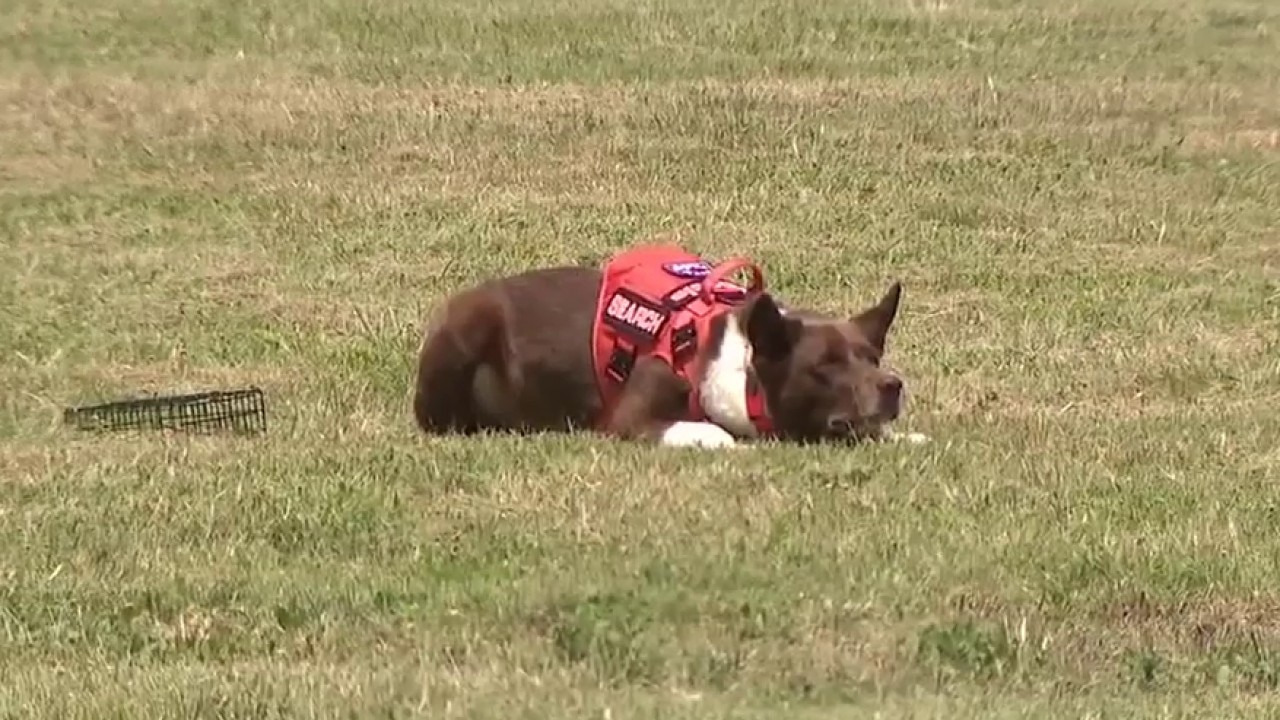
Texas search and rescue K-9s
As we approach the one-year anniversary of the devastating July 4th floods, we are taking a look at one group that helped with the search efforts after the disaster. That's the K-9 team with Texas Search and Rescue.
TEXAS - As we approach the one-year anniversary of the devastating Fourth of July floods, we're taking a look at one group that helped with the search efforts after the disaster: the Texas Search and Rescue (TEXSAR) K9 team.
The K9 team currently has 30 dogs, with 21 active ones and nine in training. Six more will soon be added to the team.
What they're saying:
Teri Callaway, K9 team lead, showed FOX 7 two dogs, Hootie and Fenris. Hootie is 6-years-old and Fenris is 5-years-old. Both have been with TEXSAR their whole lives, and both were deployed to Kerrville last year.
In a demonstration, Callaway hides a training aid, which has the scent of human remains. The dogs sit down when they find it and get a reward.
Last year, TEXSAR mostly deployed human remains detection dogs to recover bodies.
"It was a tragic thing that happened, but we were able to put all of our training and our experience to work in order to really bring some answers to people about their loved ones," Callaway said.

PREVIOUS COVERAGE: Families file wrongful death lawsuit in July 4 floods
The families of several people who were killed at a Kerrville RV resort during the July 4 floods are suing the company, accusing them of not notifying guests of the oncoming flood.
The K9s usually start training as puppies. It takes a year or two for them to be ready to be certified.
Some dogs come as rescue dogs, and some come from breeders.
"In order to be a search and rescue dog, we want our dogs to be bold, curious. They've got to have a lot of stamina so that they are physically able to do the searches, especially in this heat and humidity that we have in Central Texas," Callaway said.
The dogs have to be motivated to work for a reward.
"We want them to be well-behaved, mostly. We want them really to have that desire to work, so we look for dogs that have a strong toy drive," Callaway said.
The dogs train about two to four hours a week, averaging 16 hours a month. Handlers introduce them to new odors.
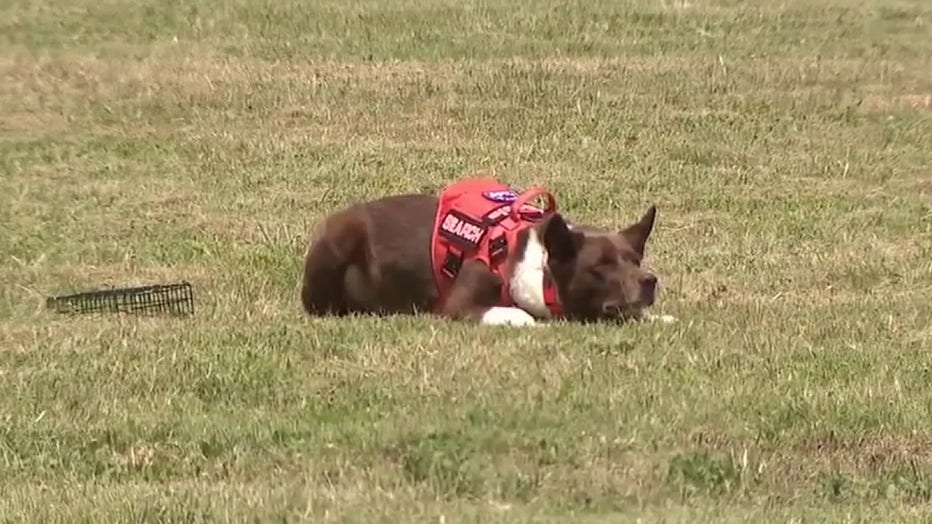
All K9s live with their handlers. Callaway says they vary the training locations, otherwise the dogs start to learn the hiding spots.
TEXSAR only deploys if law enforcement asks them to, and Callaway deploys on average once or twice a month. They're all volunteers, and they have ground teams, teams on the water, plus in the air. TEXSAR as a whole deploys about 15–20 times a month.
They can be deployed for natural disasters, missing person cases, to find lost hikers, or to find possible crime victims.
Besides human remains detection dogs, the K9 team also has "live find" dogs, as well as ones that can follow a person's scent.
If you're interested in volunteering with or supporting TEXSAR, you can find more information here.
The Source: Information from interviews conducted by FOX 7 Austin's Angela Shen