

Pflugerville City Council passes SAFE Act to regulate AI, surveillance
PFLUGERVILLE, Texas - Following ongoing public concern and the recent cancellation of a contract with the Flock surveillance camera system, the City of Pflugerville is taking major steps to tighten oversight of artificial intelligence, surveillance tools, and municipal data sharing.
In a unanimous vote at its latest meeting, the Pflugerville City Council introduced and passed the SAFE Act, an ordinance aimed at rebuilding community confidence and establishing clear boundaries around how emerging technology is used across city operations.
What they're saying:
"All of these technologies are being used, and we want them to have these tools to do their jobs really effectively and safely," said Council member Jonathan Coffman. "But we also need to make sure that we're protecting the city's data and our residents' data."
Mayor Doug Weiss emphasized the policy is designed to prevent questionable surveillance technology from slipping back into the city under a new label.
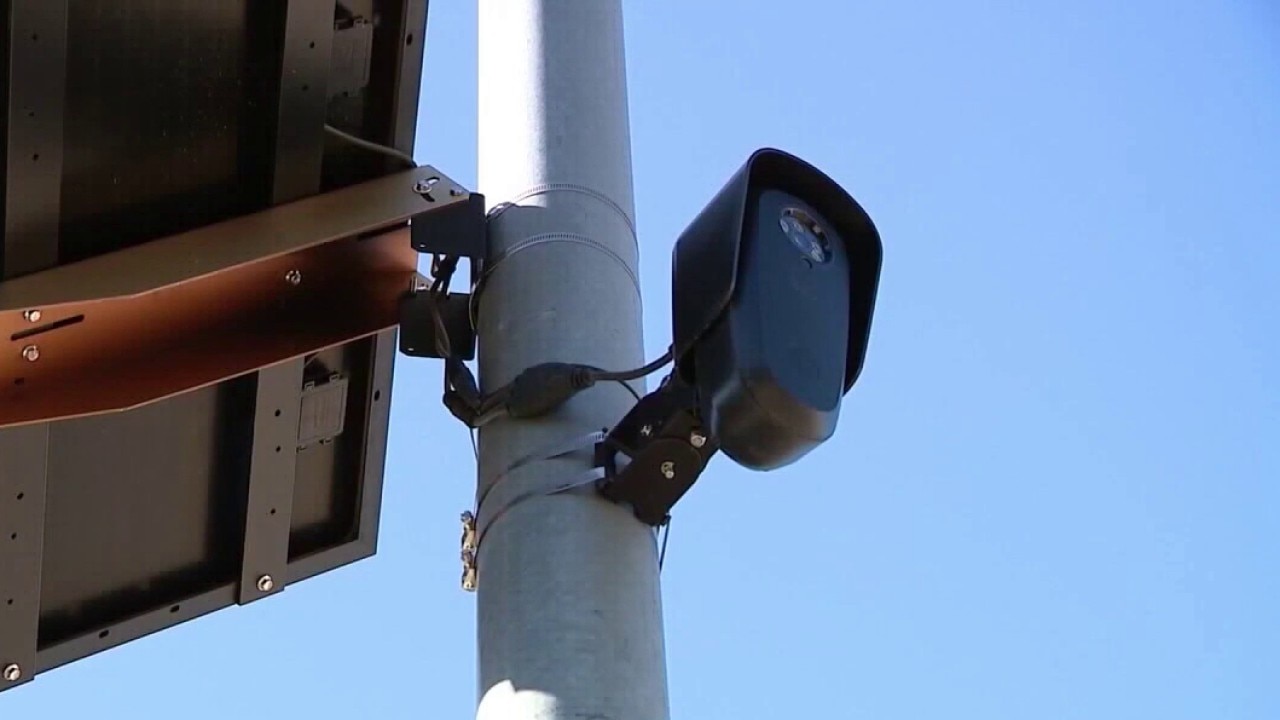
PREVIOUS COVERAGE: Pflugerville covering all Flock Cameras
The City of Pflugerville has turned off and is covering the Flock license plate reader cameras in the city, pending a potential contract renewal.
"We want to make sure that, you know, one bad software technology is not going to be replaced with another just because it has a different name," Weiss said. "We're going to make sure everything is thoroughly vetted and reviewed by a citizen committee and truly benefits our citizens."
Weiss added that city staff are already working to identify any high-risk software products currently in use, noting that any platform meeting that criteria will have to go through an official approval process by the council.
Key Guardrails Under the SAFE Act
Big picture view:
The newly approved measure outlines six foundational safeguards governing city tech:
- Resident Oversight: A City Council-appointed resident commission will review proposed technology and provide recommendations to staff and elected leaders.
- Human Review: AI and automated systems may assist City employees but cannot replace human judgment in significant decisions, such as those involving law and code enforcement, permits, or access to City services.
- Data Privacy: Vendors and outside parties cannot sell City data or use it for unrelated purposes—including training general-purpose AI models—unless expressly approved by City Council and allowed by law.
- Surveillance Restrictions: Facial recognition, certain biometric identification systems, generalized tracking of lawful First Amendment activity, and social scoring systems that rate people based on their behavior are prohibited without City Council authorization.
- Data Sharing: Outside organizations seeking ongoing or direct access to City data require written agreements and City Council approval. Limited exceptions allow temporary access for certain emergencies and active public safety needs.
- Public Transparency: The City will maintain a webpage and publish an annual report identifying high-risk technology, how it is being used, and the safeguards in place, subject to legal and security restrictions.
Residents call for open communication
Dig deeper:
The push for tighter regulation comes as public unease over automated tracking and municipal data sharing continues to mount.
For local residents, the priority remains clear communication, openness, and having a say before new systems are implemented.
"I think that that's my biggest thing is that we're not using it for what we need to be using it for, instead we're using it for bad and that's what's frustrating," said Pflugerville resident Priscilla Aragon Kenny. "I think just sharing with us why. Like being very honest and vocal and communicative with us on why they're doing what they're doing and then also giving us the opportunity to decide if that's something that we want. That's important."

Flock cameras in Texas: Pflugerville City Council rejects new agreement
The City of Pflugerville has turned off and is covering the Flock license plate reader cameras in the city, pending a potential contract renewal.
Timeline and current AI operations
What's next:
Under the new ordinance, the city has 90 days to formally establish the resident advisory commission and launch a public transparency website detailing the municipal use of AI systems.
According to Councilman Coffman, the city already utilizes AI across several routine administrative and utility workflows. These include drafting emails, assembling reports, preparing presentations, and powering the city’s smart water system to analyze utility usage and flag active water leaks.
For more information, click here.
The Source: Information from Pflugerville City Council member Jonathan Coffman, Mayor Doug Weiss, Pflugerville residents and reporting by FOX 7 Austin's Dominique Leh