

Student speech under scrutiny as Texas lawmakers hold first hearing after Charlie Kirk's death

Texas lawmakers debate free speech in higher education
Following the murder of Charlie Kirk, the Texas House and Senate created a special committee on civil discourse and freedom of speech. The committee met for the first time this week, questioning how much freedom of speech public college employees should have.
AUSTIN - Texas lawmakers held their first joint hearing Thursday on campus free speech and civil discourse following the killing of conservative activist Charlie Kirk, an event that has reignited debate over the limits of expression at public universities. The meeting began at 9:30 a.m on Thursday morning.
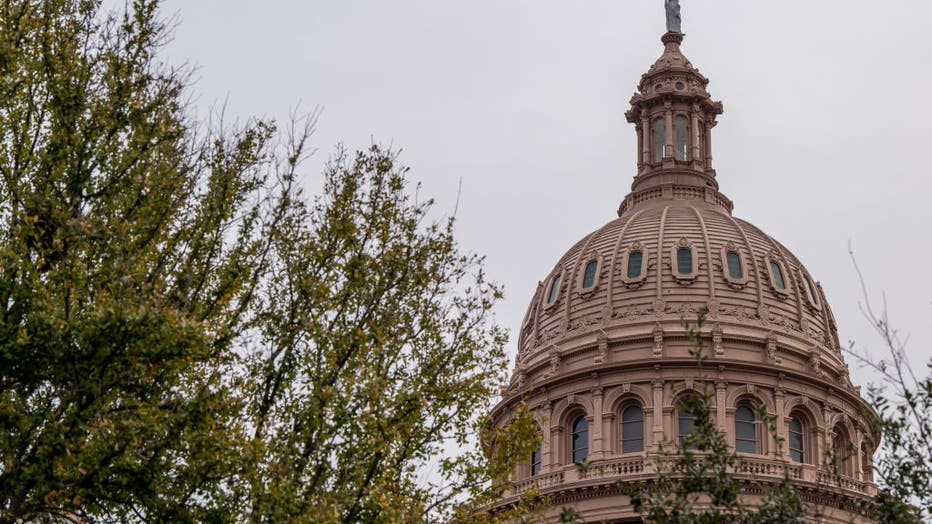
AUSTIN, TEXAS - FEBRUARY 18: The exterior of the Texas State Capitol on February 18, 2023 in Austin, Texas. (Photo by Brandon Bell/Getty Images)
Lawmakers' response to Charlie Kirk killing
What we know:
The House and Senate select committees on civil discourse and freedom of speech met at the Capitol to hear invited testimony from university officials, students, and legal experts. The panels were formed just two days after Kirk’s death, which state leaders have called a "political assassination."
"Political assassination cannot be condoned in this country, period," said Sen. Paul Bettencourt, R-Houston, who co-chairs the Senate committee.
Speakers included a representative from Turning Point USA, the conservative organization Kirk founded, as well as university presidents and administrators. Witnesses discussed how campuses have responded to recent protests related to the Israel-Hamas conflict and to student reactions following Kirk’s killing.
Bettencourt said the goal is to address "unacceptable behavior" while upholding constitutional rights.
Debate over protected speech
Lawmakers pressed university officials about how much speech protection applies to public employees, including professors. "A public employee who is speaking pursuant to their duties as a public employee, that is not protected speech," said Ryan Walters, deputy attorney general.
The discussion also touched on what lawmakers described as nonverbal expressions of hate. Rep. Richard Raymond, D-Laredo, questioned whether imagery or clothing mocking Kirk’s death would be considered protected expression.
Amanda Cochran-McCall, vice president for legal affairs at the University of Texas at Austin, called such displays "hateful" and "abhorrent."
Prior incidents and disciplinary actions
The backstory:
The joint legislative committee on Civil Discourse and Freedom of Speech in Higher Education was formed after Republican leaders criticized some students for appearing to mock or celebrate Kirk's death in Utah. Lawmakers will take invited testimony on promoting civil discourse, preventing campus censorship and reviewing security for public events. They will also assess Senate Bill 37, which increased state oversight of university operations.
The inquiry follows several incidents tied to the shooting. A student was forced to withdraw from Texas State University after a video showed a purported imitation of the killing, prompting Texas Gov. Greg Abbott to demand the student's immediate expulsion. Another student is no longer enrolled at Texas Tech after an assault arrest, and Texas Attorney General Ken Paxton is investigating the University of North Texas over alleged failures to discipline students who celebrated the death.

PREVIOUS COVERAGE: Student no longer at TXST after Charlie Kirk incident
Governor Greg Abbott called on Texas State to expel a student over the student's actions that were caught on video at a Charlie Kirk memorial event. Now, the "individual is no longer at Texas State."
Legal experts have noted that much of the criticized behavior is likely protected by the First Amendment, despite administrative actions.
Legal landscape and existing laws
This focus is part of a wider push to regulate campus expression. Prior legislation, Senate Bill 2972, restricted the time, place and manner of demonstrations, though a federal judge temporarily blocked parts of its enforcement at the University of Texas System, citing probable First Amendment violations.
Dig deeper:
The committee expects to hear from more than a dozen invited witnesses, including university counsel, administrators and students from multiple Texas institutions.
Committee's goals and future steps
Lawmakers emphasized that Thursday’s hearing was not meant to create new laws but to review enforcement of existing ones. Since 2019, Texas has passed several measures regulating campus protests and demonstrations, though some have faced legal challenges.
"The problem we have has existed for a long time, and it’s shameful our higher institutions have not done more to bring it into line," said Sen. Bob Hall, R-Edgewood.
What's next:
The committees plan to continue hearings in the coming months. It remains unclear what specific legislative proposals could emerge during the next session in response to the killing of Kirk.
The Source: Information in this article is from the Texas Senate and previous FOX Television Station coverage.