

Florida restricts Texas animal imports amid flesh-eating screwworm concerns
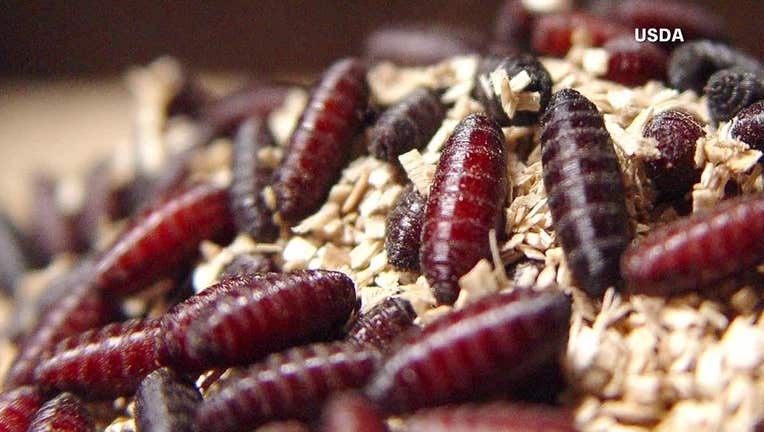
TALLAHASSEE, Fla. - Worries about an invasive flesh-eating cattle parasite have caused Florida to restrict their imports of animals from some Texas counties.
Florida restricts Texas cattle imports
What we know:
Florida Commissioner of Agriculture Wilton Simpson made the announcement last week that the restrictions were being implemented due to New World Screwworms being detected within 125 miles of the Texas-Mexico border. According to the Friday release from his office, any cattle from high-risk Texas counties must go through rigorous screening.
Areas of concern:
The counties affected by the restrictions are Zapata, Jim Hogg, Starr, Hidalgo, Webb and Brooks. No screwworms have been detected in the U.S. to date, the release notes, and authorities continue to monitor the movement of the parasite.
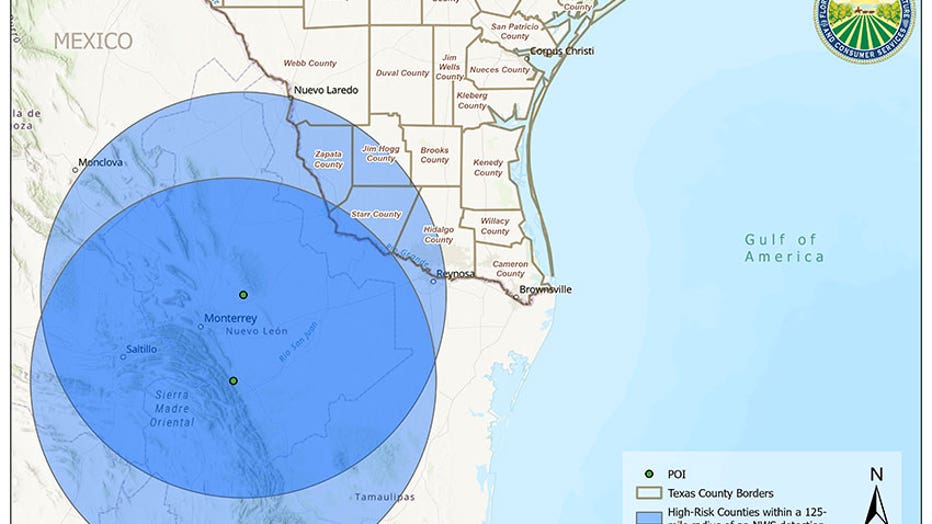
High-risk counties within a 125-mile radius of an NWS detection by the USDA (Florida Department of Agriculture and Consumer Services)
Import requirements
The new import requirements from these counties are noted in the release as follows:
- All warm-blooded animals originating from a high-risk county being imported into Florida must be accompanied by an Official Certificate of Veterinary Inspection (OCVI) documenting that all animals listed on the OCVI have been inspected and found free of contagious and infectious disease and pests, including NWS. No alternative movement documents will be accepted in lieu of an OCVI.The OCVI must include the statement, "All animals listed on the OCVI have been inspected and are free from screwworm larvae infestation."The OCVI is valid for no more than 7 days from the date of veterinary inspection.
- The OCVI must include the statement, "All animals listed on the OCVI have been inspected and are free from screwworm larvae infestation."
- The OCVI is valid for no more than 7 days from the date of veterinary inspection.
- All warm-blooded animals that have wounds that are not infested with NWS larvae can be imported into Florida provided that the following requirements are met:Any animal with a wound must be treated using an effective treatment. The effective treatment must be administered by or directly overseen by an authorized representative or licensed veterinarian. The effective treatment for NWS must be administered in accordance with the following:Oral or injected treatments must be administered no less than 12 hours and no more than 14 days prior to entry into Florida.Systemic, topical treatments must be administered no less than 72 hours and no more than 14 days prior to entry into Florida.In addition to receiving a systemic effective treatment, all animals with non-infested wounds must have the wounds topically treated with a product effective against NWS. The wound location and treatment must be documented on the OCVI.
- Any animal with a wound must be treated using an effective treatment. The effective treatment must be administered by or directly overseen by an authorized representative or licensed veterinarian. The effective treatment for NWS must be administered in accordance with the following:Oral or injected treatments must be administered no less than 12 hours and no more than 14 days prior to entry into Florida.Systemic, topical treatments must be administered no less than 72 hours and no more than 14 days prior to entry into Florida.
- Oral or injected treatments must be administered no less than 12 hours and no more than 14 days prior to entry into Florida.
- Systemic, topical treatments must be administered no less than 72 hours and no more than 14 days prior to entry into Florida.
- In addition to receiving a systemic effective treatment, all animals with non-infested wounds must have the wounds topically treated with a product effective against NWS. The wound location and treatment must be documented on the OCVI.
Featured
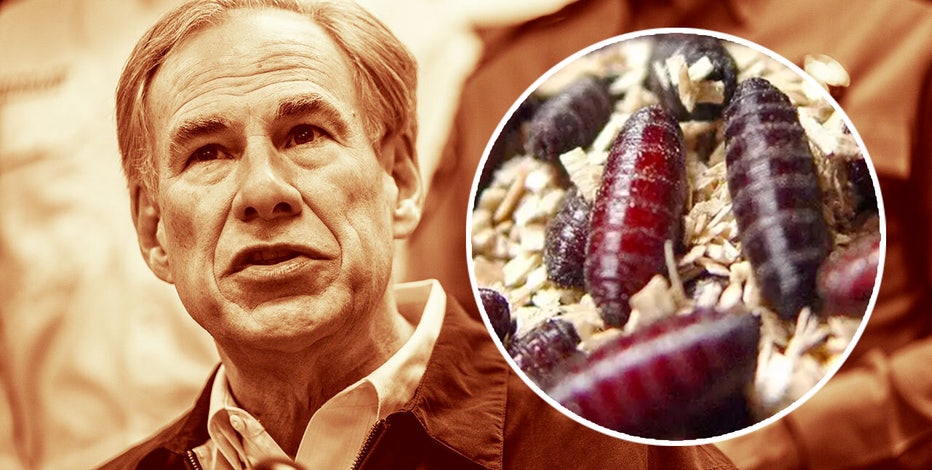
Texas Gov. Abbott issues disaster declaration for screwworm infestation prevention
Texas Governor Greg Abbott has issued a disaster declaration as the next step to prevent an infestation of the flesh-eating new world screwworm.
What they're saying:
"Today we are taking aggressive action to further protect Florida and our agricultural producers from the real threat of the New World Screwworm," said Simpson. "We know how costly and dangerous this pest can be to our agricultural industry if it takes hold, and we will use every tool at our disposal to protect our state. We’re also calling on Florida’s producers, veterinarians, and animal health professionals to remain aware and act quickly if they suspect something unusual."
Texas ag commissioner responds
Texas Agriculture Commissioner Sid Miller released the following statement following Florida's decision:
"Florida’s move is understandable. With the growing threat of New World screwworm, and as ground zero of America’s last outbreak a decade ago, they’re acting to protect their state. This isn’t a distant risk, and their heightened biosecurity makes that clear.
"The impacts of New World screwworm are already here. The extended halt on cattle movement from Mexico alone is straining supply chains, cutting into Texas meatpacking capacity, and pushing prices higher for families nationwide. And let’s be clear; this threat isn’t going away anytime soon.
"While USDA works to build a sterile fly facility and coordinates with Mexico, we cannot afford to wait years for a single solution. We need every available suppression tool in play, now. Our livestock, wildlife, pets, and consumers don’t have time to spare."
The Source: Information in this article comes from the Florida Department of Agriculture and Consumer Services.