

Military adds new rule to screen out certain medical conditions early for people looking to enlist
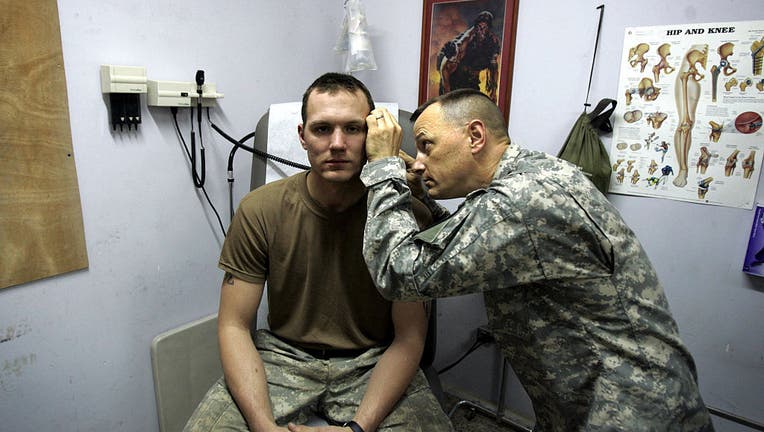
Photo by DAVID FURST / AFP) (Photo by DAVID FURST/AFP via Getty Images
NORTH CHICAGO, Ill. - The U.S. Military has introduced a new policy that stops processing some applicants with certain medical conditions earlier in the enlistment process, aiming to save time and focus on those more likely to qualify for service.
Working with recruiting partners, the U.S. Military Entrance Processing Command (USMEPCOM) on May 4 introduced a new policy, "Conditions Unlikely to be Waived" (CUW), that halts processing for applicants with any of 28 medical conditions considered unlikely to receive approval.
RELATED: Local vet on a 2100+ mile journey for a good cause
What they're saying:
"This is a shift in order," Army Col. Megan McKinnon, USMEPCOM command surgeon, said in a news release. "Instead of doing complete processing and then handing it to the waiver authority, we’ve created a trigger on the front end for these specific conditions that requires additional Service sign off, because all Services agreed that they are unlikely to be waived on the back end."
Dig deeper:
USMEPCOM and the Army’s waiver authority developed the initial list of conditions as part of a broader push for efficiency.
The final version includes 28 conditions considered unlikely to be approved, such as heart valve replacements and narcolepsy.
By flagging these conditions before applicants reach the medical evaluation stage, USMEPCOM said it can better allocate resources and allow recruiters to focus on candidates more likely to qualify.
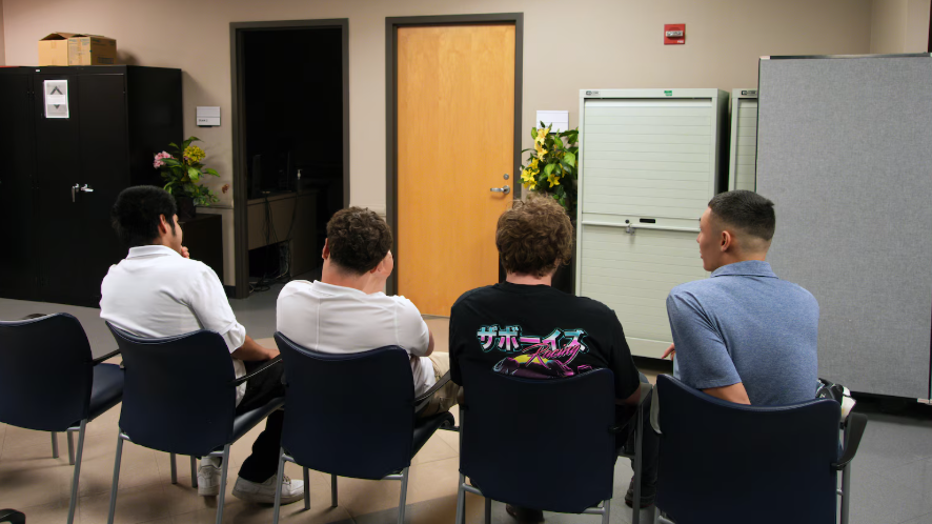
Credit: U.S. Military Entrance Processing Command (USMEPCOM)
RELATED: US troop counts by country: How pulling 5,000+ from Germany impacts Europe, global presence
The policy also eases the workload on waiver authorities.
While only a small percentage of applicants are expected to be affected on a daily basis, officials say the long-term impact could be substantial.
If one of these conditions is identified during the prescreen, applicants generally will not be sent to a Military Entrance Processing Station for a physical, unless an exception is granted by a service waiver authority.
Recruiters will coordinate within their chain of command to decide whether to continue processing those applicants.
The Source: The information in this story comes from a U.S. Military news release issued by the U.S. Military Entrance Processing Command (USMEPCOM). This story was reported from Los Angeles.