

Texas winter storm: Gov. Abbott adds 85 counties to disaster declaration
AUSTIN, Texas - Texas Gov. Greg Abbott on Sunday extended the state's disaster declaration to include 85 additional counties.
The amended declaration brings the total number of counties covered to 219 of the state's 254 counties.
The order and complete list of counties covered by the declaration can be found here.
What they're saying:
"Communities across the state have been impacted by this weekend's winter weather," Abbott said. "I am updating my disaster declaration to include additional counties to help more Texans during these freezing temperatures. Texans should continue to monitor local weather forecasts and road conditions to keep themselves and their families safe. I thank Texas emergency management officials as they work around the clock to help Texans across the state recover from this winter storm."
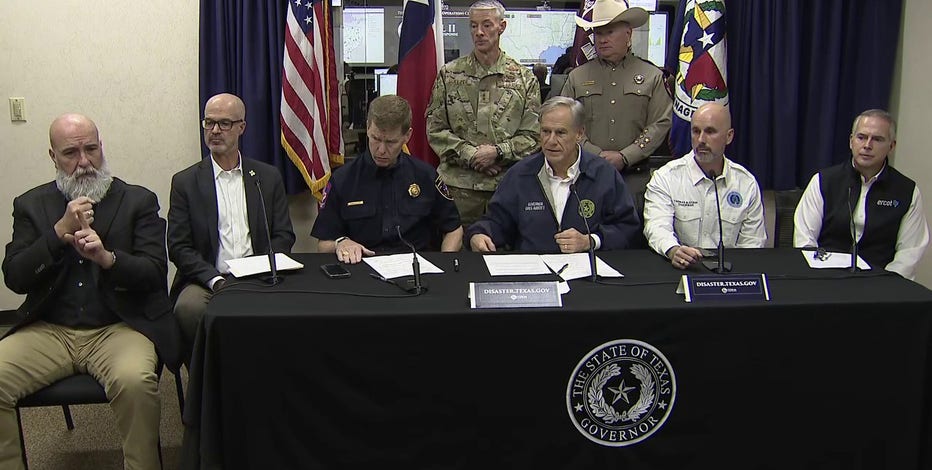
Texas winter storm: Gov. Abbott issues disaster declaration for 134 counties
Gov. Greg Abbott issued a disaster declaration for 134 counties as a severe winter storm threatens the state with life-threatening cold and ice starting Friday evening.
RELATED COVERAGE:
LIVE UPDATES | Austin weather: Latest on winter storm
Austin weather: Extreme Cold Warning and icy conditions
LIVE UPDATES: Winter storm road conditions, power outages, school closings in North Texas
Dallas Weather: How much snow did Dallas get? Snow totals, power outages and dangerous -12° wind chill
Live updates: Road become icy as Houston remains under winter storm warning
Houston winter storm power outage tracker: Maps, latest numbers
What is a Disaster Declaration?
A disaster declaration is a formal move by the Governor or local leaders that activates emergency management plans. It facilitates access to state and federal assistance—including funding, personnel, and equipment—and allows the state to pre-position assets like the National Guard before the storm hits.
Power outages in Texas
As of Sunday afternoon, findenergy.com is showing more than 83,000 Texans are without power. A majority of those impacted are in east Texas.
According to ERCOT, current power outages are likely local outages and not an issue with the grid.
On Sunday, the U.S. Department of Energy issued an emergency order allowing ERCOT to require large energy users to use backup generators in the event the grid becomes strained.
The Source: Information in this article comes from the governor's office.