

West Nile in Texas: Travis County sees first human case of 2026
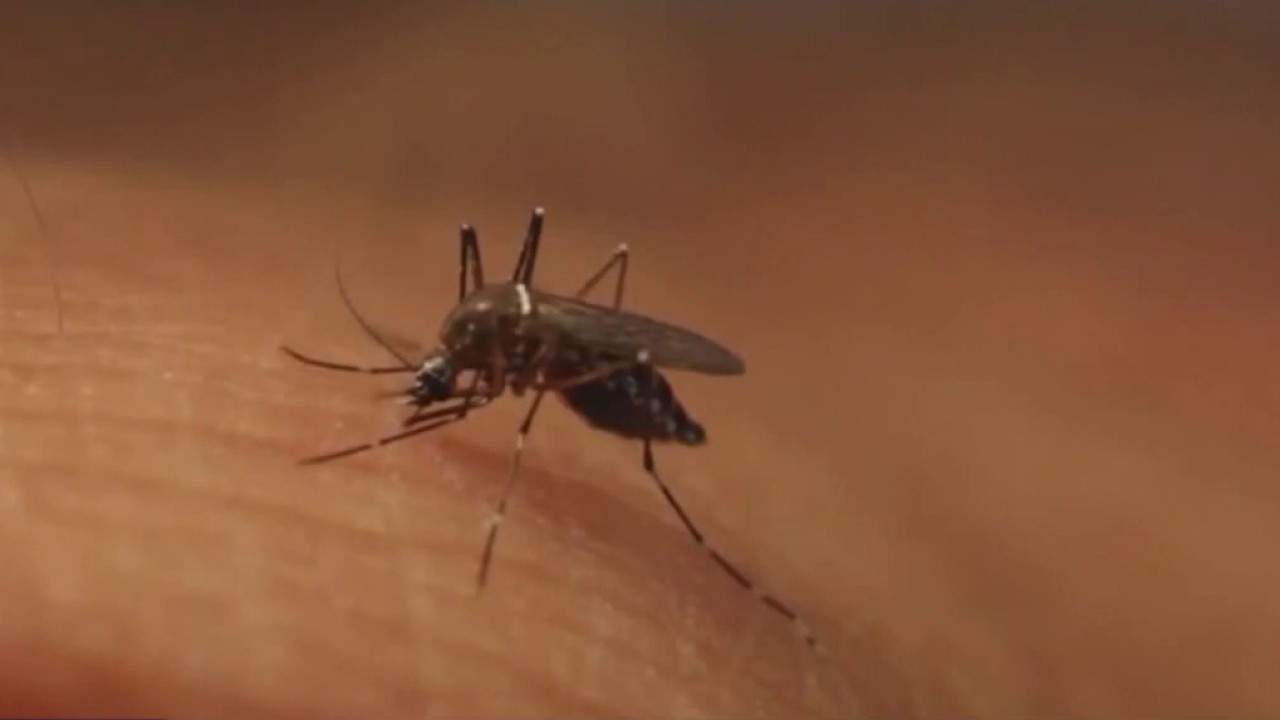
Travis County has first human case of West Nile virus
Austin Public Health says Travis County now has its first West Nile virus case of 2026.
TRAVIS COUNTY, Texas - Travis County has its first human case of West Nile virus for 2026.
What we know:
Austin Public Health says Travis County now has its first West Nile virus case of 2026.
The patient, a Travis County resident, tested positive for the virus after visiting their healthcare provider with symptoms.
What we don't know:
APH did not disclose any patient information nor where in the county the case was reported.
By the numbers:
So far, ten mosquito pools in Travis County have tested positive for West Nile across six zip codes:
- 78701
- 78703
- 78726
- 78733
- 78741
- 78757
In 2025, 41 mosquito pools in Travis County tested positive for West Nile virus, and five West Nile virus cases were reported in Austin-Travis County residents, says APH.
For more information on APH's efforts to combat West Nile and other mosquito-borne illnesses, click here.
This month, there has also been a case of West Nile virus in a patient in Williamson County and one in Hays County.
APH epidemiologist on West Nile testing
What they're saying:
"It's always a worry every summer with mosquito season that you could get a vector-borne disease, but this is pretty normal," Rina Solanki, senior epidemiologist with Austin Public Health, said.
APH uses traps that collect mosquitoes. They test weekly throughout mosquito season, which is May through November. They'll put up flyers in a neighborhood if there's a positive test.
"Just because there's positive mosquitoes in the pool doesn't necessarily mean somebody is going to get West Nile virus. Just because there was a positive pool one week doesn't necessarily mean the following week it's going to test positive again," Solanki said.
More about West Nile
Dig deeper:
While mosquitoes are present year-round, they are most active from May through November.
Infected mosquitoes can transmit West Nile through bites.
Featured
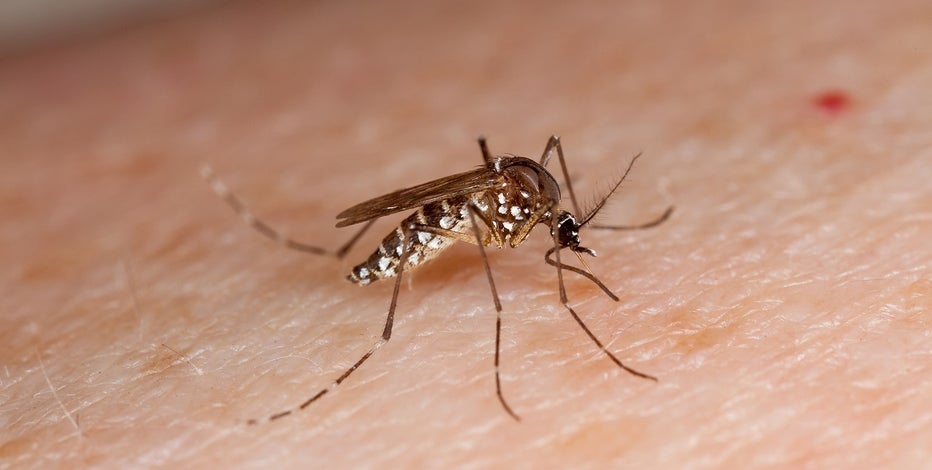
West Nile Virus: First human case confirmed in Hays County
The first human case of West Nile Virus has been confirmed in Hays County.
Symptoms
Symptoms of the infection can include fever, headaches, body aches, joint pain, vomiting, diarrhea, a skin rash on the torso of the body, and swollen lymph nodes.
About 80% of infected people usually show no symptoms.
While the risk is low for severe symptoms, people over the age of 50 and those with compromised immune systems can be at an increased risk for stiffness, disorientation, coma, tremors, vision loss, paralysis and, in extremely rare cases, death.
"There is no treatment, like there's no vaccine or anything like that. Antibiotics don't work because it's a virus, so it's just supportive care like Tylenol. If they have serious symptoms, then obviously they'll be hospitalized and get more treatment to help with those symptoms," Solanki said.
Patients can expect to have symptoms for three to six days, but may experience fatigue and weakness for weeks or even months.
There is currently no treatment for West Nile virus.
Preventing mosquito breeding
Everyone is encouraged to protect themselves from mosquito bites and prevent mosquito breeding.
Mosquitoes can breed in as little as one teaspoon of standing water. By draining all sources of standing water in and around your property, you reduce the number of places mosquitoes can lay their eggs and breed.
Remember the 3 Ds:
- Defend: Whenever outside, use EPA-approved insect repellents, and always follow label instructions.
- Dress: Wear long, loose and light-colored clothing outside.
- Drain: Drain or treat all standing water in and around your home or workplace where mosquitoes could lay eggs.
APH recommends a bug spray with deet.
"I know people are afraid of deet, but it works really well, especially against ticks too," Solanki said.
The Source: Information in this report comes from Austin Public Health and previous reporting by FOX 7 Austin.