

Austin shooting spree: How are juvenile crimes handled in Texas?
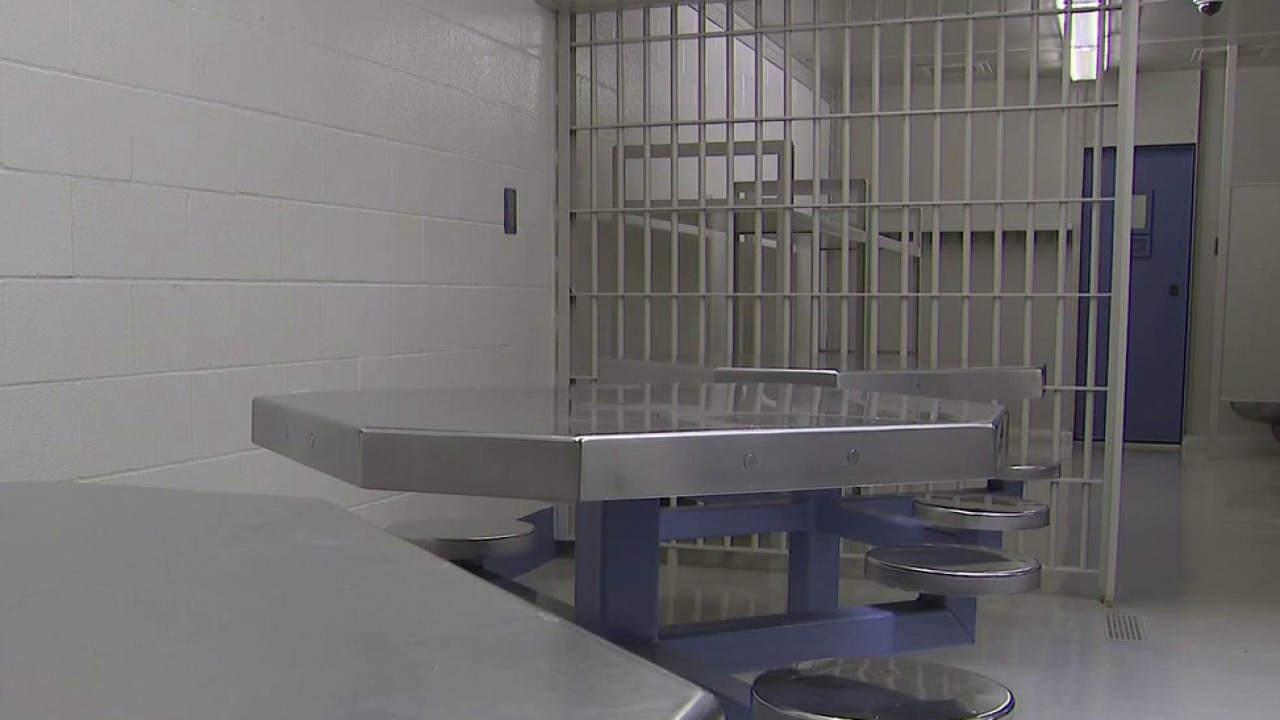
How are juvenile crimes handled in Texas?
Three teens accused in a weekend shooting spree across Austin are now giving the city a close look at how Texas handles juvenile crime. While one of the suspects has been identified because he's considered an adult, the other two aren't because of their age.
AUSTIN, Texas - Three teens accused in a weekend shooting spree across Austin are now giving the city a close look at how Texas handles juvenile crime.
While one of the suspects has been identified because he’s considered an adult, the other two aren’t because of their age.
The backstory:
After a weekend of violence across Austin, police arrested a 17-year-old and detained a 15-and-16-year-old in connection to the shooting spree.
In Texas, that age matters.
"For purposes of the criminal justice system in Texas, once you turn seventeen, you're an adult," Juvenile Defense Attorney Katy Boortz said.
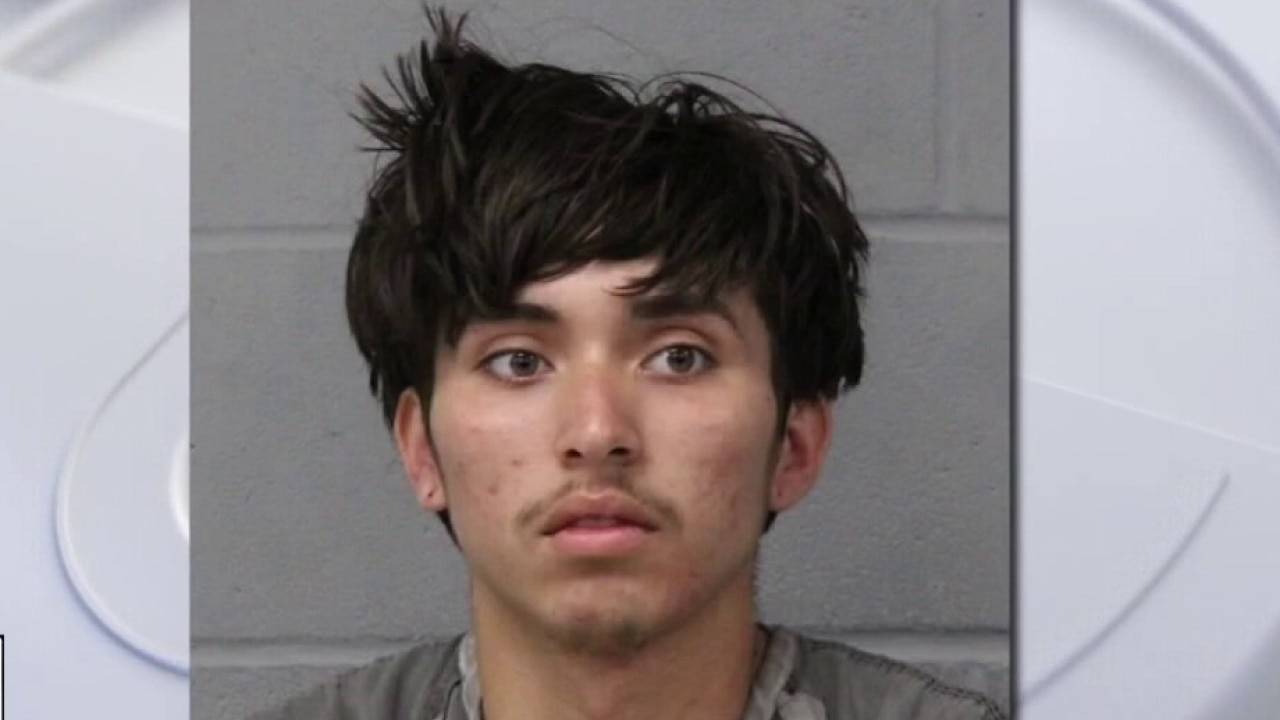
The 17-year-old has been identified as Cristian Mondragon while the other two remain protected under juvenile law. That doesn’t necessarily mean the younger teens won’t face consequences.
PREVIOUS COVERAGE: Austin shooting spree: Timeline of events
After the shooting into homes, two fire stations, vehicles, and apartment buildings, its a miracle no one died. At least five cars were stolen before police finally caught them in Manor.
"Depending on the severity of the charges, what their role was in the case, if they have any prior history, then the juvenile court does have some wiggle room as far as how they will handle it," Boortz said.
Mondragon has been charged with six felonies. It is unclear what charges the 15-and-16-year-olds face.
Dig deeper:
Boortz said in more serious cases, a juvenile can be tried as an adult.
"The juvenile court process could decide that they're going to certify the child as an adult, and they could be transferred to the adult court," Boortz said.
Otherwise, the case would stay inside the juvenile justice system.
"Juvenile is really more focused on rehabilitation versus the more punitive process when it comes to adults," Boortz said.
She said turning 17 doesn’t automatically mean a teenager walks free.
Boortz said some juveniles can receive what’s called a ‘determinate sentence,’ meaning they could start their time in the juvenile system then be transferred into the adult system once they get older.

PREVIOUS COVERAGE: Austin shooting spree: Investigation continues
A man from Manor is speaking out after he said he found two of the Austin shooting spree suspects hiding in his barn. Those two teens were wanted in 12 shootings across Austin, which left four people injured.
"They could have part of their sentence in the Texas Juvenile Justice Department, which is the prison system for kids, and then, when they get older, then they could ultimately be either be put on parole as an adult or they could be sent to the adult prison system," Boortz said.
Other juveniles could receive an ‘indeterminate sentence,’ where they stay in the juvenile justice system until they complete certain programs or treatments.
"It really is for the child to complete the phases of the program," Boortz said. "So, it could go fast, you know, depending on how well they do, or it could drag out."
That rehabilitation can include mental health treatment, substance abuse programs, and therapy.
"If the juvenile system really works, they can learn, they can get the resources, they can get the support that they need, and move forward and be productive citizens," Boortz said.
The other side:
Some law enforcement leaders argue the current system isn’t doing enough to stop repeat offenders.
"We see the same juvenile offenders stealing cars over and over again, and then they also commit violent crime," Austin Police Association President Michael Bullock said.
Bullock said many young offenders know they likely won’t face the same level of punishment as an adult.
"A lot of them have become aware that not much happens until maybe you're 17, and you can be tried as an adult," Bullock said.
He said there has to be accountability.
"There are a lot of things that they can be rehabilitated, they're learning lessons, like they are kids to a degree, but guns, stealing, shooting sprees, we have to be willing to draw the line somewhere, even if you're a juvenile," Bullock said.
The Source: Information from interviews conducted by FOX 7 Austin's Meredith Aldis