

Supreme Court rejects Trump executive order regarding birthright citizenship; local leaders react
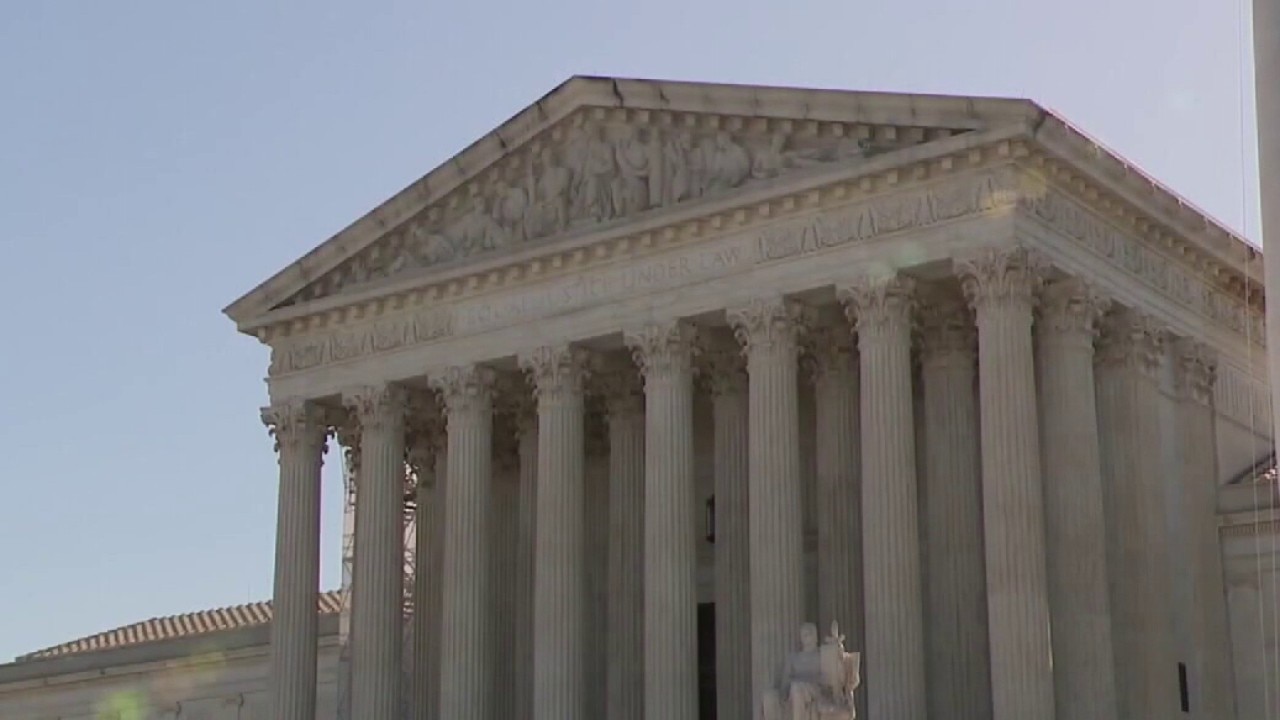
SCOTUS birthright citizenship ruling
For months, immigrant families across the country have been waiting for an answer. Now they have one after the Supreme Court rejected President Trump's executive order concerning birthright citizenship.
AUSTIN, Texas - The U.S. Supreme Court rejected the President’s Executive Order that sought to limit who would automatically qualify for citizenship at birth.
In a 5 to 4 vote, the highest court ruled that children born in the United States are citizens, regardless of their parent’s immigration status.
Local leaders are reacting to the Supreme Court’s decision, keeping the long-standing constitutional right intact.
Featured
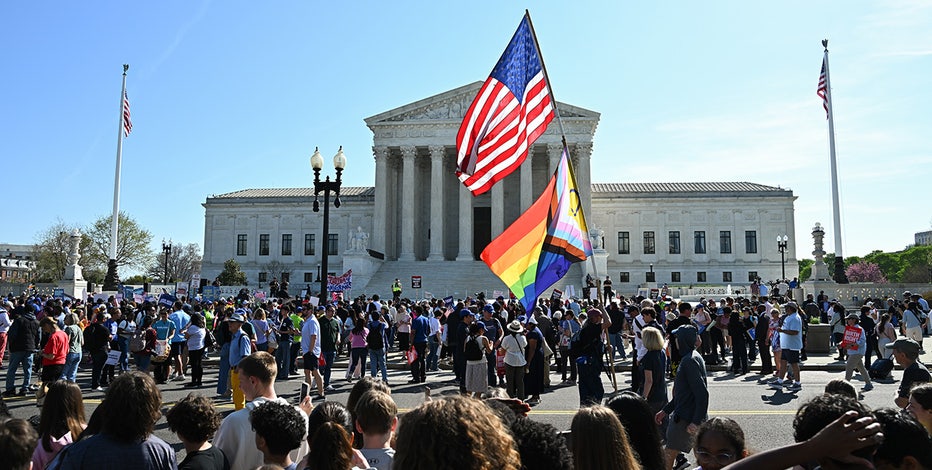
Birthright citizenship: Supreme Court rejects Trump crackdown
The Supreme Court has ruled President Trump’s crackdown on birthright citizenship is unconstitutional, rejecting his executive order declaring that children born to parents who are in the United States illegally or temporarily are not American citizens.
Local perspective:
For months, immigrant families across the country have been waiting for an answer. Now they have one.
"I think that this has just been a very large cloud over a lot of families' heads and future for quite some time now, ever since the discussion about the president's executive order has taken place," Texas Mexican American Legislative Caucus Chairman Rep. Ramón Romero Jr. said.
Constitutional Law Attorney David Coale said the legal fight centered on just a few words from a provision in the 14th Amendment.
"In that sentence, they threw in a little clause at the end that said, 'people born here, and subject to the jurisdiction of the United States, and the administration's argument was that unlawful entrance into the country are not really subject to the jurisdiction of the U.S. because they're from another country," Coale said.
The court did not agree with that interpretation.
"They said the language is quite clear. We accept original understanding usually as our guiding light and that was very clear here, and we're going to continue to follow that," Coale said.
Immigration attorney Brittany Faith said a different outcome could have made an impact far beyond the courtroom.
"It would have just made it so that almost everyone has to apply for some sort of status the moment they're born, and it would've been hectic. It would have been really, really hard and costly for the states to implement," Faith said.
She said hospitals, counties, and state agencies would have been forced to create entirely new systems to determine a child’s citizenship status at birth.
Democratic leaders called the decision a victory for many reasons.
"This was a very, very bright day reaffirming the Supreme Court, its independence, its strength and the power and really the foresight of our forefathers of understanding the executive branch doesn't have full power," State Rep. Romero Jr. said.
"The United States Constitution, after the Civil War, very clearly established birthright citizenship," Representative Greg Casar said.
Texas Governor Greg Abbott disagreed with the ruling, writing on X that birthright citizenship acts as a magnet for illegal immigration.
Senator Ted Cruz wrote on X that the decision is a travesty and will only invite further exploitation of our immigration system. He is calling on Congress to act immediately to restore the original meaning of the citizenship clause.
What's next:
With the court now speaking directly on the issue, legal experts said the path forward is much narrower for those seeking to change birthright citizenship. It will likely require a constitutional amendment.
The Source: Information in this report comes from reporting/interviews by FOX 7 Austin's Meredith Aldis