

DEA begins issuing federal registrations to Texas medical marijuana dispensaries
Texas medical marijuana dispensaries are among more than 900 businesses nationwide moving into a new federal regulatory system that places certain state-approved marijuana activities under federal oversight.
Schedule III registrations for medical marijuana
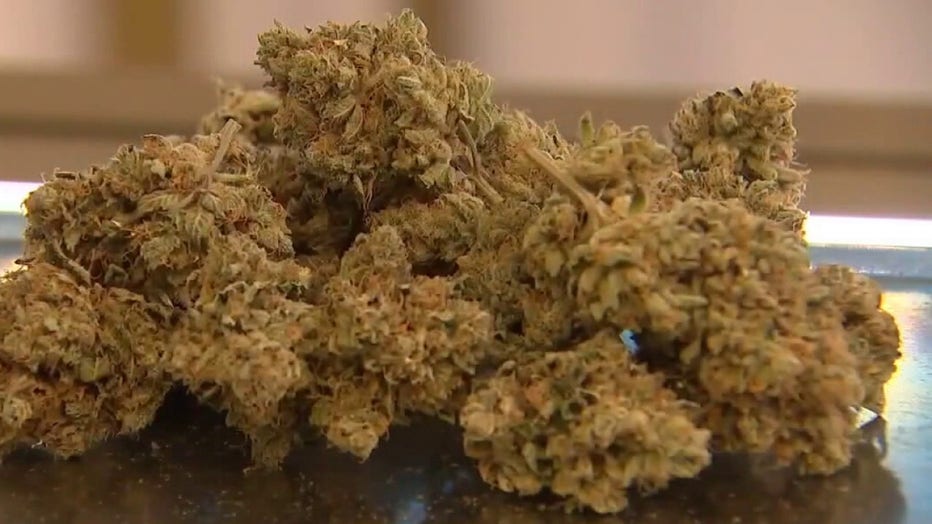
What we know:
The U.S. Department of Justice announced on Oct. 30 that the DEA has begun issuing federal registrations to qualifying medical marijuana dispensaries in Texas and six other states.
The registrations mark the first phase of implementing an April 23 order from United States Attorney General Todd Blanche that placed certain state-regulated medical marijuana products into Schedule III of the federal Controlled Substances Act.
The DOJ did not provide a state-by-state breakdown of the registrations but stated that the initial group includes dispensaries in Alabama, Florida, Mississippi, South Dakota, Texas, Virginia and West Virginia.
Each business is required to meet federal requirements, including successfully completing a DEA pre-registration investigation.
Who qualifies for DEA registration?

(JOHANNES EISELE/AFP via Getty Images)
Local perspective:
The DEA began with dispensaries that applied during the initial 60-day period outlined in the order and met the applicable federal requirements, but the agency said it will continue reviewing applications and issuing registrations in phases. State licenses do not automatically grant federal registration.
Registered dispensaries must comply with federal requirements involving security, recordkeeping, inventory controls and other safeguards for controlled substances.
Impact on cannabis supply chains
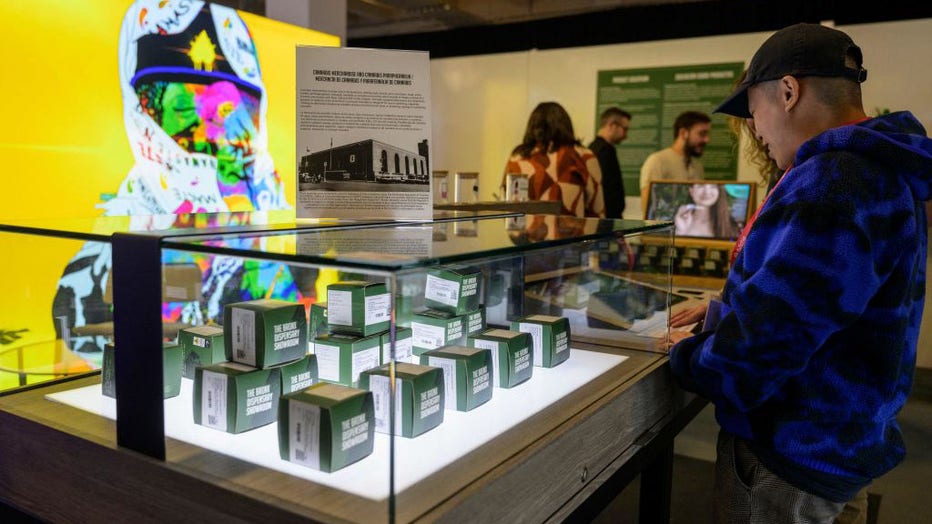
(Photo by ANGELA WEISS / AFP) (Photo by ANGELA WEISS/AFP via Getty Images)
Dig deeper:
The order also placed FDA-approved products containing marijuana into Schedule III and created an expedited administrative hearing process to consider whether marijuana more broadly should be moved from Schedule I to Schedule III.
The DOJ is also reviewing applications from medical marijuana manufacturers and distributors, which supply products to dispensaries. Those applications require additional review, including facility inspections, production controls and quota determinations. Businesses that applied during the initial 60-day period and remain pending may continue certain medical marijuana transactions with other qualified applicants and newly registered entities, provided they follow the order’s requirements.
What's next:
The federal action does not legalize recreational marijuana or authorize marijuana activities outside the order’s scope.
Marijuana not covered by the order remains classified as a Schedule I controlled substance.
The Source: Information in this article was provided by The Department of Justice's Office of Public Affairs.