

Texas tornado season: Everything you should know
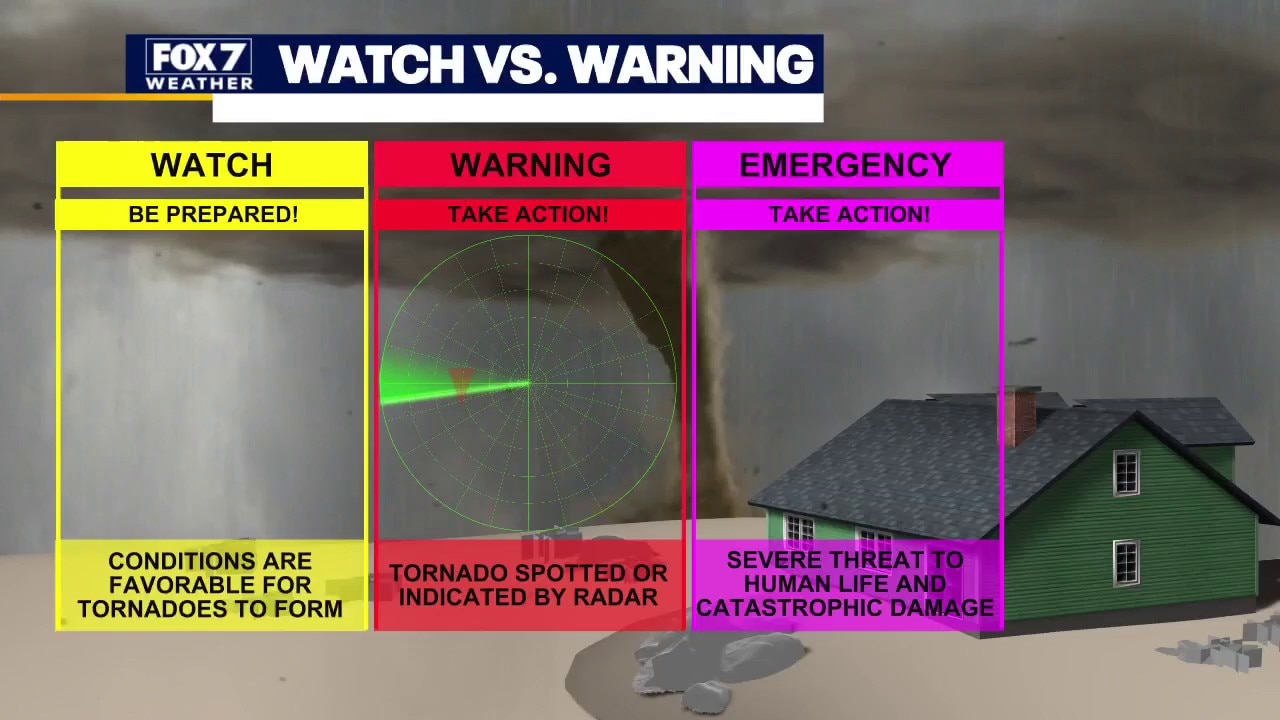
Tornado season: Watch vs Warning & safe places
As we head into tornado season in Texas, Zack Shields talks about the difference between a tornado watch and a tornado warning and he takes a look at safe places in your home.
AUSTIN, Texas - The FOX 7 Weather Team has everything you need to know ahead of tornado season and answers some of the most common questions.
What is the difference between a Tornado Watch and a Tornado Warning?
The National Oceanic and Atmospheric Administration Storm Prediction Center issues the alerts.
When a Tornado Watch is issued, it can cover parts of a state or several states. It means watching and preparing for severe weather and staying tuned to NOAA Weather Radio to know when warnings are issued.
When a Tornado Warning is issued, it means that a tornado has been reported by spotters or indicated by radar and there is a serious threat to life and property to those in the path of the tornado.
Tornado Warnings mean you should act immediately to find safe shelter. They can cover parts of counties or several counties in the path of danger.
Featured
How you should prepare for a tornado
While the locations of twisters can be unpredictable, preparing for tornadoes ahead of time can help keep you safe when they happen.
When is tornado season in Texas?
NOAA says the tornado season for Texas and the southern Plains, which includes Oklahoma and Kansas, is from May into early June.
On the Gulf coast, the tornado season is earlier in the spring.
For the northern Plains and upper Midwest (North and South Dakota, Nebraska, Iowa, Minnesota), the tornado season is June or July.
Officials remind people that tornadoes can happen at any time of the year. They can also happen at any time of day or night but most tornadoes happen between 4 p.m. to 9 p.m.
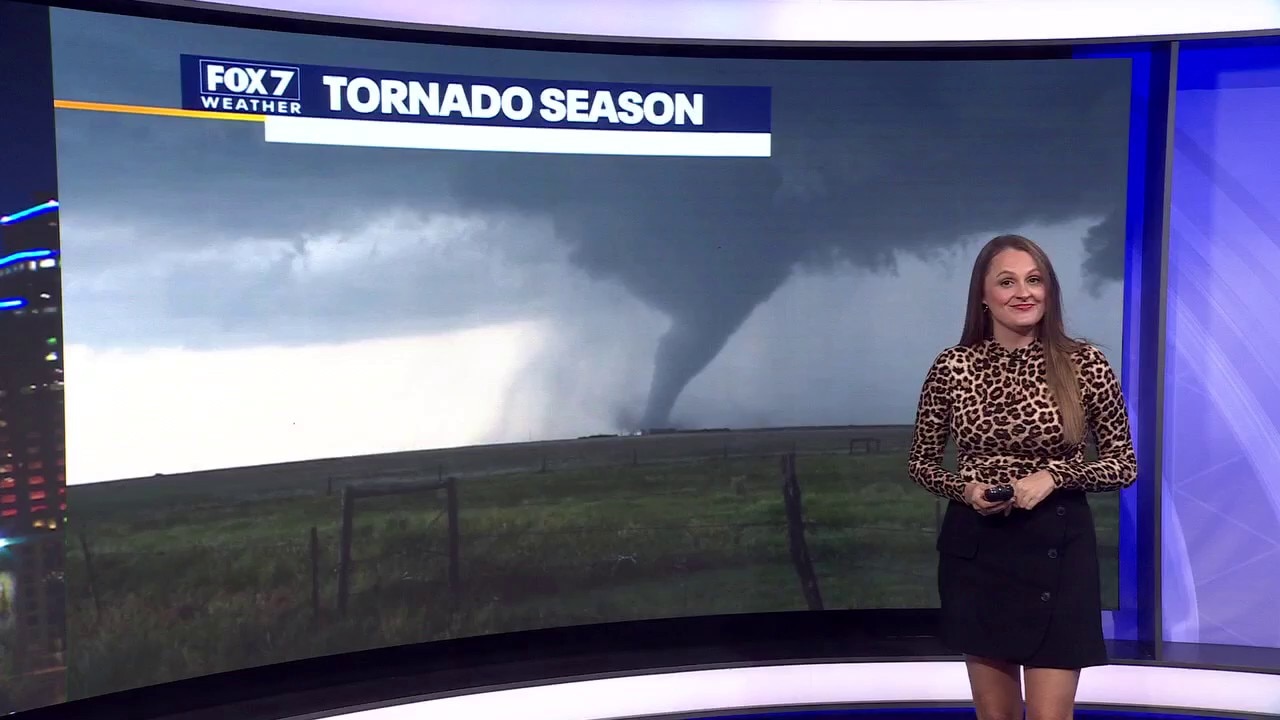
Tornadoes in Texas: When do we see them the most?
Adaleigh Rowe has a look at when we traditionally see tornadoes in Texas and also goes over some myths.
Tornado safety: Where to go when severe weather hits
The following advice from NOAA offers guidance on what to do when a tornado hits.
- In a house with a basement: Avoid windows. Get in the basement and under some kind of sturdy protection (heavy table or work bench), or cover yourself with a mattress or sleeping bag. Know where very heavy objects rest on the floor above (pianos, refrigerators, waterbeds, etc.) and do not go under them. They may fall down through a weakened floor and crush you. Head protection, such as a helmet, can boost survivability also.
- In a house with no basement, a dorm, or an apartment: Avoid windows. Go to the lowest floor, small center room (like a bathroom or closet), under a stairwell, or in an interior hallway with no windows. Crouch as low as possible to the floor, facing down; and cover your head with your hands. If you have a metal bath tub, that may offer a shell of partial protection, but not plastic or fiberglass ones, which are easily penetrated by projectiles. Even in an interior room, you should cover yourself with some sort of thick padding (mattress, blankets, etc.), to protect against falling debris in case the roof and ceiling fail. A helmet can offer some protection against head injury.
- In an office building, hospital, nursing home or skyscraper: Go directly to an enclosed, windowless area in the center of the building -- away from glass and on the lowest floor possible. Then, crouch down and cover your head. Interior stairwells are usually good places to take shelter, and if not crowded, allow you to get to a lower level quickly. Stay off the elevators; you could be trapped in them if the power is lost.
- In a mobile or manufactured home: Get out! Even if your home is tied down, it is not as safe as an underground shelter or permanent, sturdy building. Go to one of those shelters, or to a nearby permanent structure, using your tornado evacuation plan. Your plan could include staying with someone who is in a sturdy permanent structure, if a tornado threat is forecast. Most tornadoes can destroy even tied-down mobile homes; and it is best not to play the low odds that yours will make it. This mobile-home safety video from the State of Missouri may be useful in developing your plan.
Featured
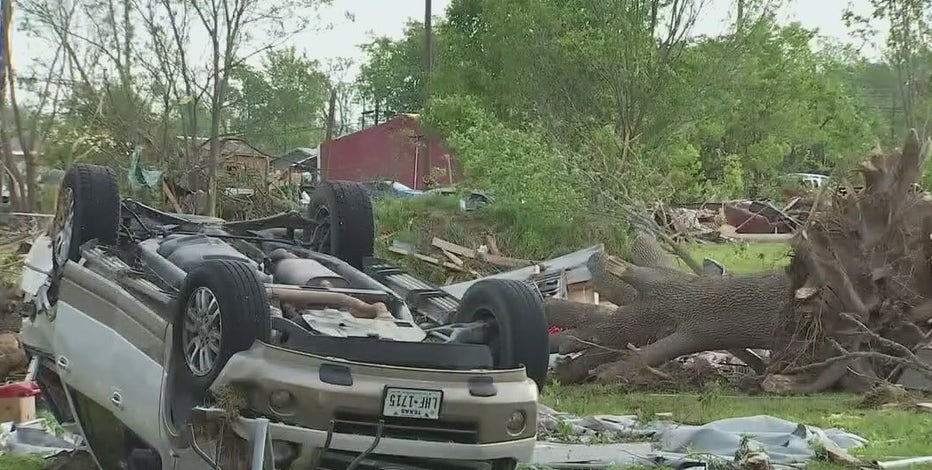
What should you do if you find yourself in a tornado?
As severe weather continues to be a threat throughout Central Texas, what should you do if you find yourself in a tornado?
- At school: Follow the drill! Go to the interior hall or windowless room in an orderly way as you are told. Crouch low, head down, and protect the back of your head with your arms. Stay away from windows and large open rooms like gyms and auditoriums.
- In a car or truck: Vehicles are extremely risky in a tornado. There is no safe option when caught in a tornado in a car, just slightly less-dangerous ones. If the tornado is visible, far away, and the traffic is light, you may be able to drive out of its path by moving at right angles to the tornado. Seek shelter in a sturdy building, or underground if possible. If you are caught by extreme winds or flying debris, park the car as quickly and safely as possible -- out of the traffic lanes. Stay in the car with the seat belt on. Put your head down below the windows; cover your head with your hands and a blanket, coat, or other cushion if possible. If you can safely get noticeably lower than the level of the roadway,leave your car and lie in that area, covering your head with your hands. Avoid seeking shelter under bridges, which can create deadly traffic hazards while offering little protection against flying debris.
- In the open outdoors: If possible, seek shelter in a sturdy building. If not, lie flat and face-down on low ground, protecting the back of your head with your arms. Get as far away from trees and cars as you can; they may be blown onto you in a tornado.
- In a shopping mall or large store: Do not panic. Watch for others. Move as quickly as possible to an interior bathroom, storage room or other small enclosed area, away from windows.
- In a church or theater: Do not panic. If possible, move quickly but orderly to an interior bathroom or hallway, away from windows. Crouch face-down and protect your head with your arms. If there is no time to do that, get under the seats or pews, protecting your head with your arms or hands.
The Source: Information from National Oceanic and Atmospheric Administration and meteorologists Zack Shields and Adaleigh Rowe.