

City of Austin leaders provide tips for residents to prepare for severe weather
Austin leaders call on residents to prepare for weather
Officials in Central Texas said now is the time to prepare for severe weather.
AUSTIN, Texas - Officials in Central Texas said now is the time to prepare for severe weather.
The backstory:
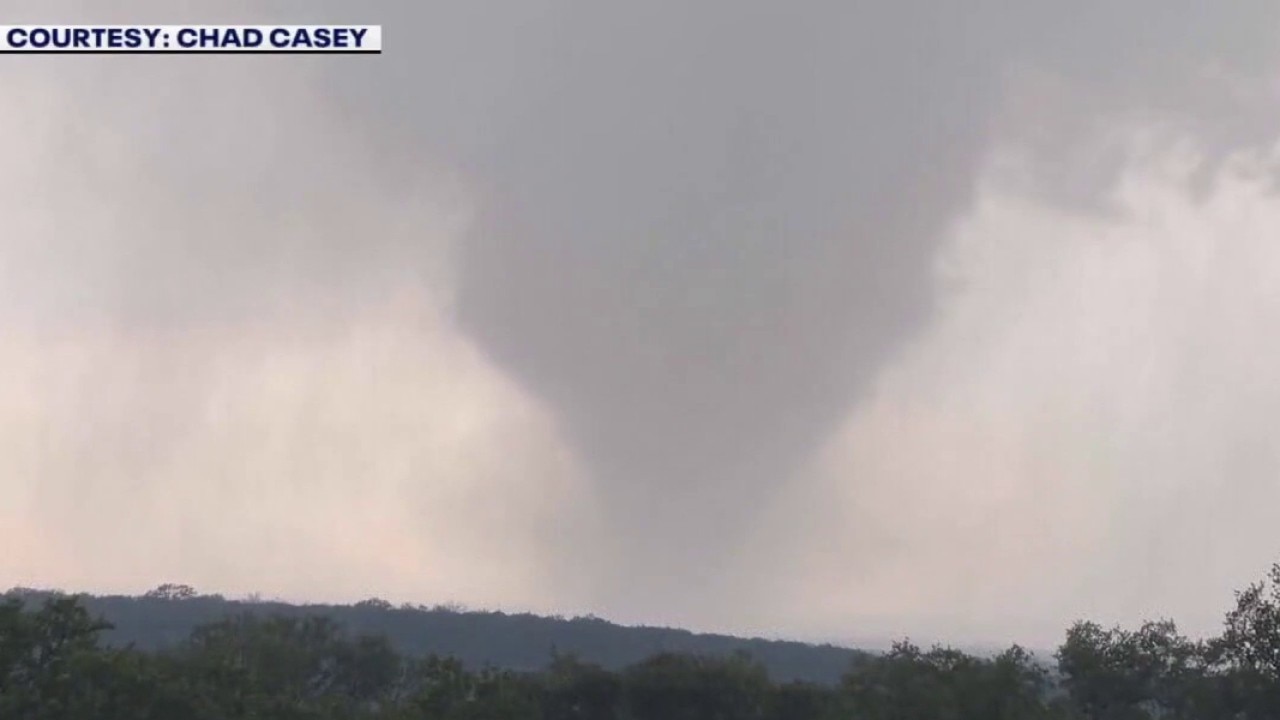
In a press conference, Austin city leaders said this time of year is when many of the worst weather events have happened locally.
Spring storms can bring lightning, hail, heavy rain, high winds, and tornadoes. They said while all these can threaten lives and property, the biggest threat in our area is flash flooding.
Officials recommend making a plan, including evacuation routes and meeting locations, and building an emergency kit with first aid supplies, medications, with enough food and water for at least three days.
What they're saying:
"Register first, warncentraltx.org. Make sure you can get those emergency alerts on your phone. Make sure they are turned on to receive public emergency alerts," said Jim Redick, Austin Emergency Management.
"For those who don't know, most people who die in floods die in their vehicles. You can go to the atxfloods.com website to see what roads are open or closed," said Jorge Morales, Austin Watershed Protection Department.
"Just 6 inches of water, only 6 inches of water can knock over an adult. 12 inches of water, a foot of water, if it's running, can sweep away most vehicles. A lot of us don't think about it in that respect," said Austin Mayor Kirk Watson.
How to prepare for severe weather and flooding
What you can do:
The City of Austin said residents need to practice the four steps of emergency preparedness:
- Make a Plan: Create an emergency plan for your home that includes meeting locations, evacuation routes, and emergency contacts. A communication tree with your family and neighbors to check in and notify of everyone’s status helps keep your community safe.
- Build a Kit: Prepare an emergency kit with essential items like non-perishable food, water, flashlights, first-aid supplies, and medications. Don’t forget your pets when building your kit. Have enough food and water for at least three days.
- Know Your Neighbors: Knowing your neighbors can create a strong network capable of assisting each other and increasing your community’s resilience and readiness. You and your neighbors helping each other could be what saves lives and property.
- Stay Informed: Keep your cell phone charged during an emergency and have more than one way to receive important information and updates. Sign up to receive emergency alerts at WarnCentralTexas.org and make sure Emergency Alerts are turn on in your mobile device’s notification settings.
The City of Austin also provided the following tips:
"Following a severe weather event or flood safely check your property and/or automobile for any damage. Only return to your home to inspect damage after local authorities advise it is safe to do so. Check for loose or downed power lines, broken or damaged gas lines, foundation cracks, or structural damage. Take photos for insurance purposes of any damage sustained. Be aware of potential scams looking to take advantage of damage from the storm. Work with your insurance representative to find reputable businesses for any needed repairs.
On the Road:
Avoid bridges and overpasses.
Treat flashing or inoperable traffic lights as an all-way stop
- Prepare your vehicle for severe weather and flooding:Inspect your windshield wipers for any cracks and ensure they do not cause streakingEnsure headlights, brake lights, turn signals are functioning properlyCheck your tire pressure and treadVehicle emergency kit:Jumper cablesFlares or reflective triangleCar cell phone charger
- Inspect your windshield wipers for any cracks and ensure they do not cause streaking
- Ensure headlights, brake lights, turn signals are functioning properly
- Check your tire pressure and tread
- Vehicle emergency kit:Jumper cablesFlares or reflective triangleCar cell phone charger
- Jumper cables
- Flares or reflective triangle
- Car cell phone charger
Flooding
- Seek higher ground: If your home is flooding, and you need to evacuate, find higher elevation. Before you leave (time permitting), put valuable items higher in case water enters your home, like on a bookshelf or counter.
- Turn around. Don’t drown: Moving water can be very powerful. Do not attempt to walk or drive through moving water over roadways or bridges.
Severe Weather
Protect your property: Secure loose items such as outdoor furniture and garden tools that could become dangerous projectiles during high winds. Keep trees trimmed to prevent damage from falling branches.
Seek shelter: If severe weather is approaching, seek shelter in a safe location such as an interior room on the lowest level of your home. Lightning can strike from far away. If you can hear thunder, you are close enough to be struck. Hail can do more than damage your home or vehicle. It can cause serious injuries. If hail is in the forecast, please get indoors to avoid being struck by hail during a thunderstorm.
Turn off utilities: Know how to turn off gas, water, and electricity in case of an emergency.
Mosquito safety: Following any rainfall, dump or drain any standing water that may have collected in containers or other items that retain or hold water. Mosquitoes grow in standing water and breed fast – in just a few days, they can lay hundreds of eggs. Items that may collect water include tires, pet water bowls, containers and buckets, toys, birdbaths, planters, flowerpot saucers, trash containers, and rain barrels. Austin Public Health begins testing mosquitoes for diseases like West Nile virus in May.
Watershed Protection
Before a Flood:
- Clean out drains and gutters.
- Keep drainage easements clear; do not dump debris into creeks or stack debris next to storm drains.
- Gather supplies to last for several days, including non-perishable foods, water, and cleaning supplies.
- Keep a charged cell phone or battery-powered radio handy for weather updates.
- Sign up for regional emergency notifications at WarnCentralTexas.org.
- Store important documents in a watertight container and create password-protected digital copies.
- Move valuables to higher levels in case of flooding.
- Make a family and pet emergency plan; consider whether you want to stay at home or find shelter with friends or family.
- Prepare an emergency kit with essentials like food, water, medications, documents, and first aid supplies.
- Turn off electricity and gas if you decide to leave your home, and it is safe to do so.
During a Flood:
- If you must travel, stay away from creeks, trails, culverts, ponds, and drainage infrastructure.
- Check for road closures on ATXFloods.com as roads may flood before homes.
- Never drive through high water or around barricades.
- Slow down on wet roads; water covering roads is hard to see at night.
- Avoid contact with floodwater due to health risks, including hazardous materials and bacteria.
- If water is rising, get to higher ground.
- Digital Resources
- Follow @ATXFloods on X for information about flooding.
- Visit ATXFloods.com for real-time road closures.
- Visit ATXFloodSafety.com for preparedness information.
Austin Energy
In case of a power outage:
- Keep flashlights and external batteries on hand
- Follow proper instructions if using a portable generator
- Unplug appliances and turn off most lights to avoid overloading circuits when power is restored.
- Keep refrigerator and freezer doors closed during an outage and follow FDA guidelines for food safety.
Electrical Safety Tips:
- Do not drive over or go near a downed power line, as it could be energized. Call 311 if you see a downed line to report it. If the line is sparking, call 911.
- If you see limbs on wires or see downed tree limbs, please call 311 to report them.
Stay Informed
- To report a power outage, text OUT to 287846 or visit outagemap.austinenergy.com. You can also report an outage by calling 512-322-9100.
- Register for Austin Energy’s Outage Alerts by texting REG to 287846.
- Follow Austin Energy’s social media channels:x.com/austinenergyfacebook.com/austinenergyinstagram.com/austinenergy/
- x.com/austinenergy
- facebook.com/austinenergy
- instagram.com/austinenergy/
- During emergency events, check Austin Energy’s Current Conditions page for updates."
The Source: Information from the City of Austin