

New World screwworm in Texas: How to keep your pets safe
Screwworm in Texas: How to keep pets safe
Animal welfare leaders and veterinarians across Texas are warning pet owners to remain vigilant as the state battles an escalating outbreak of the New World screwworm.
TEXAS - Animal welfare leaders and veterinarians across Texas are warning pet owners to remain vigilant as the state battles an escalating outbreak of the New World screwworm.
New World screwworm is a flesh-eating parasite that has disrupted shelter operations and triggered strict interstate transport bans.
What they're saying:
The Texas Humane Legislation Network hosted a live panel discussion on Wednesday to address the operational and health implications of the outbreak.
As of July 2026, the U.S. Department of Agriculture has confirmed 32 domestic cases of the parasite nationwide, with 31 occurring in Texas and one isolated case involving a dog in New Mexico.
While the parasite primarily affects livestock, officials emphasize that any warm-blooded animal—including companion pets—is vulnerable.
"West, Central, and South Texas are affected by this," said Mia Bendixsen, executive director of the Texas Humane Legislation Network. "That’s where the quarantine areas are."
The rapid reemergence of the pest has caused immediate logistical gridlock for Texas animal shelters, many of which rely heavily on out-of-state transport to manage local pet populations.

PREVIOUS COVERAGE: Screwworm risk and household pets
While state animal health officials race to contain the New World screwworm, federal officials confirmed the first case of the parasite in a dog. FOX 7 Austin's Alec Nolan has more on what pet owners might want to be aware of.
States including New York, Florida, and Pennsylvania have instituted total bans on animal shipments originating from Texas. Other states, such as Alabama, Maryland, and Massachusetts, have established strict and varying execution windows for Certificates of Veterinary Inspection.
Compounding the problem, multiple Texas organizations have voluntarily paused their transport pipelines to preserve biosecurity and prevent shipping an undetected case across state lines. Consequently, animals are staying in local facilities longer, pushing shelters to critical capacity limits and straining operational budgets.
"I mean, I think you can hope for it to be done," said Amanda Earl, assistant director of Dallas Animal Services, noting the long-term reality of containment. "But we asked the same thing for COVID and here we are six years later."
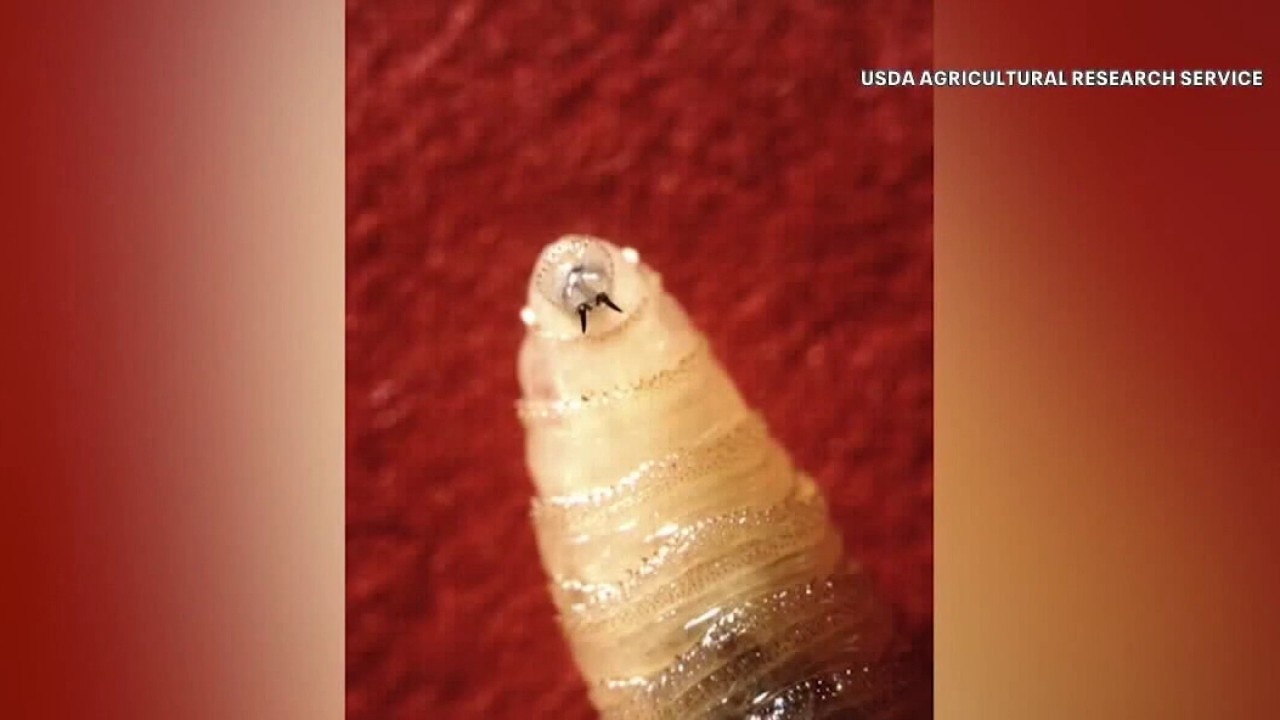
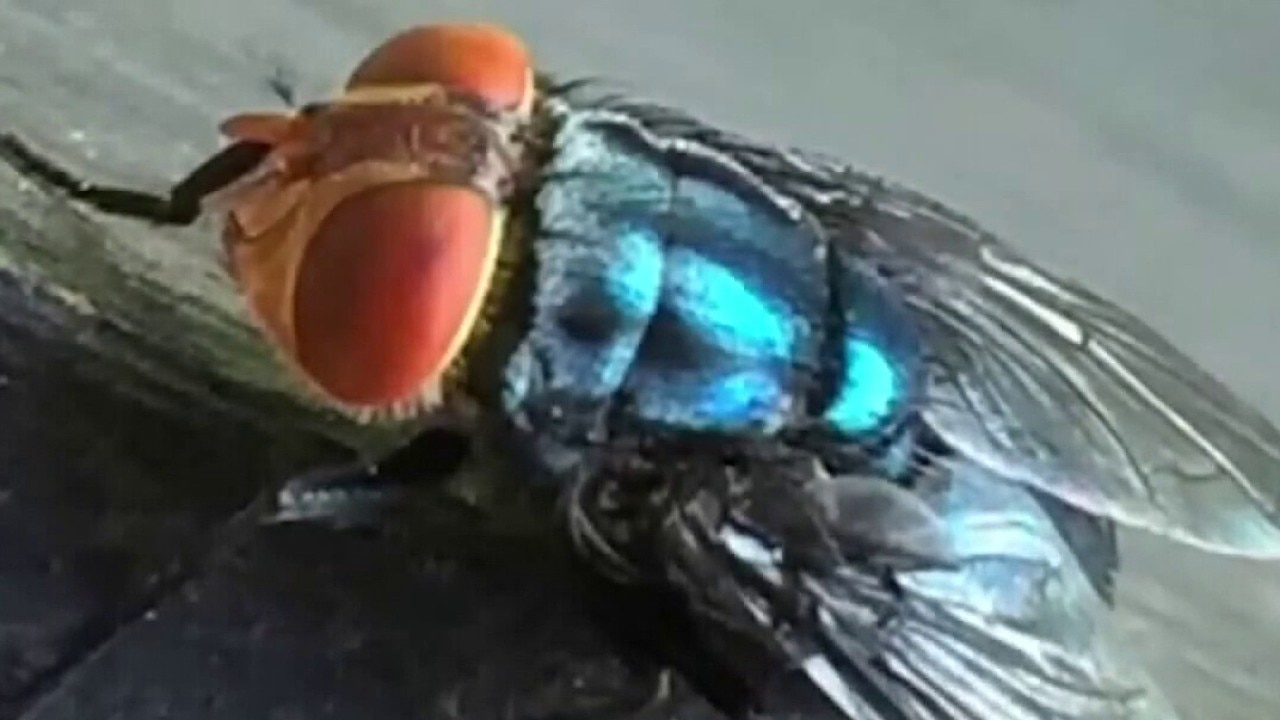
Unlike standard blowfly maggots that feed exclusively on dead tissue, the New World screwworm fly targeting live flesh is uniquely dangerous. Female flies deposit eggs into open tissue, where the hatched larvae burrow deeply to feed.
"Even something as small as a tick bite could have an entry route for infection with this parasite," warned Dr. Melissa Stansell, a veterinarian with Austin Pets Alive!.
PREVIOUS COVERAGE: New World screwworm cases continue to increase
There are 15 cases of New World screwworm in the U.S., and all but one are in Texas. The feds confirmed that number on June 22.
While the condition is deadly if left untreated, veterinarians can successfully cure the infestation if it is caught early.
The parasite is not directly contagious from one animal to another. However, health experts strongly urge pet owners to secure prescription flea and tick medications through their veterinarians as a primary defense.
"The chemical compositions of those products kill the actual larval stages of these flies," Stansell said. "It won’t kill the flies when they land on them, but it will kill the larval stage."
Veterinarians say pet owners should regularly inspect their animals for deep wounds, draining tissue, or secondary infections. Key warning signs of an active infestation include foul odors emanating from a wound, visible movement within the tissue, and behavioral changes such as a pet becoming restless or hyper-fixating on licking and chewing a specific part of its body.
Suspected cases of domesticated pets or livestock should be reported immediately to local veterinarians or the Texas Animal Health Commission.
The Source: Information from interviews conducted by FOX 7 Austin's Katie Pratt