

Possible toxic blue-green algae found on Lady Bird Lake & Lake Austin
Toxic blue-green algae found in Austin waterways
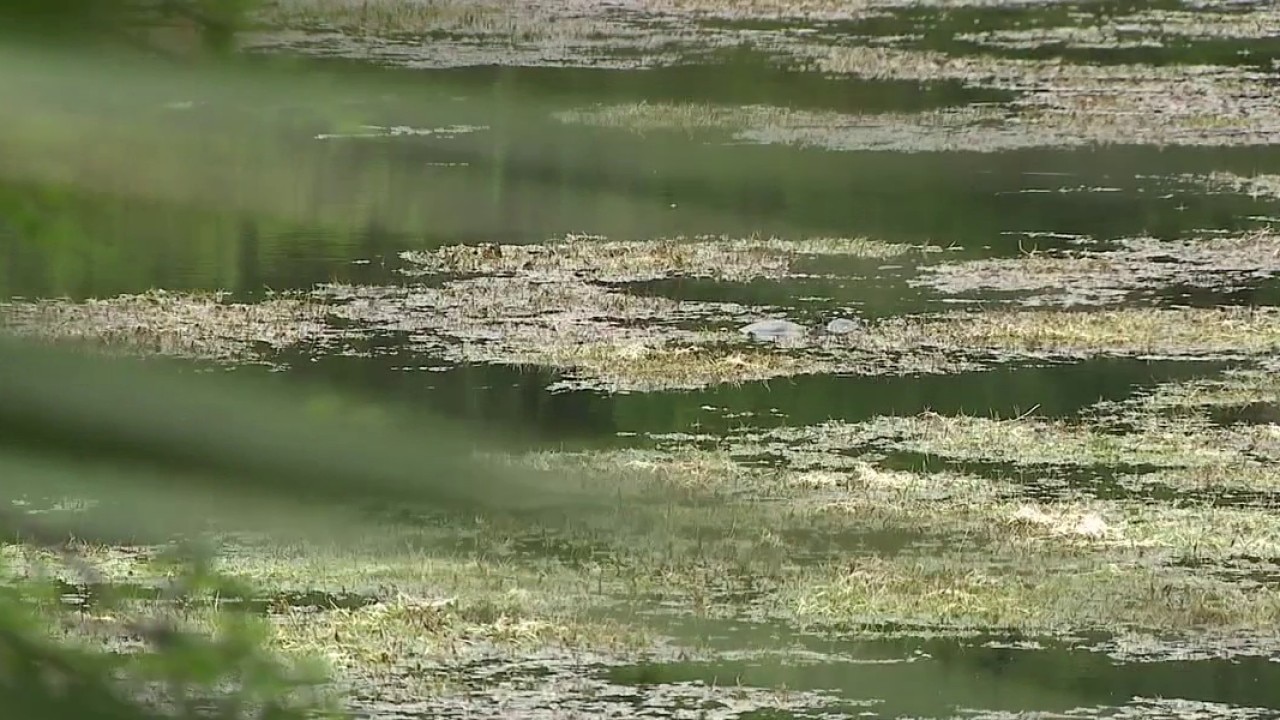
Austin Watershed Protection says its staff has observed thick mats of blue-green algae, some of which may be toxic, on lakes in the area.
AUSTIN, Texas - Austin Watershed Protection says its staff has observed thick mats of blue-green algae, some of which may be toxic, on lakes in the area.
Where has blue-green algae been seen in Austin?
Local perspective:
The blue-green algae has been seen near Red Bud Isle on Lady Bird Lake and Walsh Boat Landing on Lake Austin.
Austin Watershed Protection says samples were collected at all six monitoring sites on the lakes for testing.
At this time of year, blue-green algae mats may be present in other parts of either lake and our creeks.
Blue-green algae is back in Austin
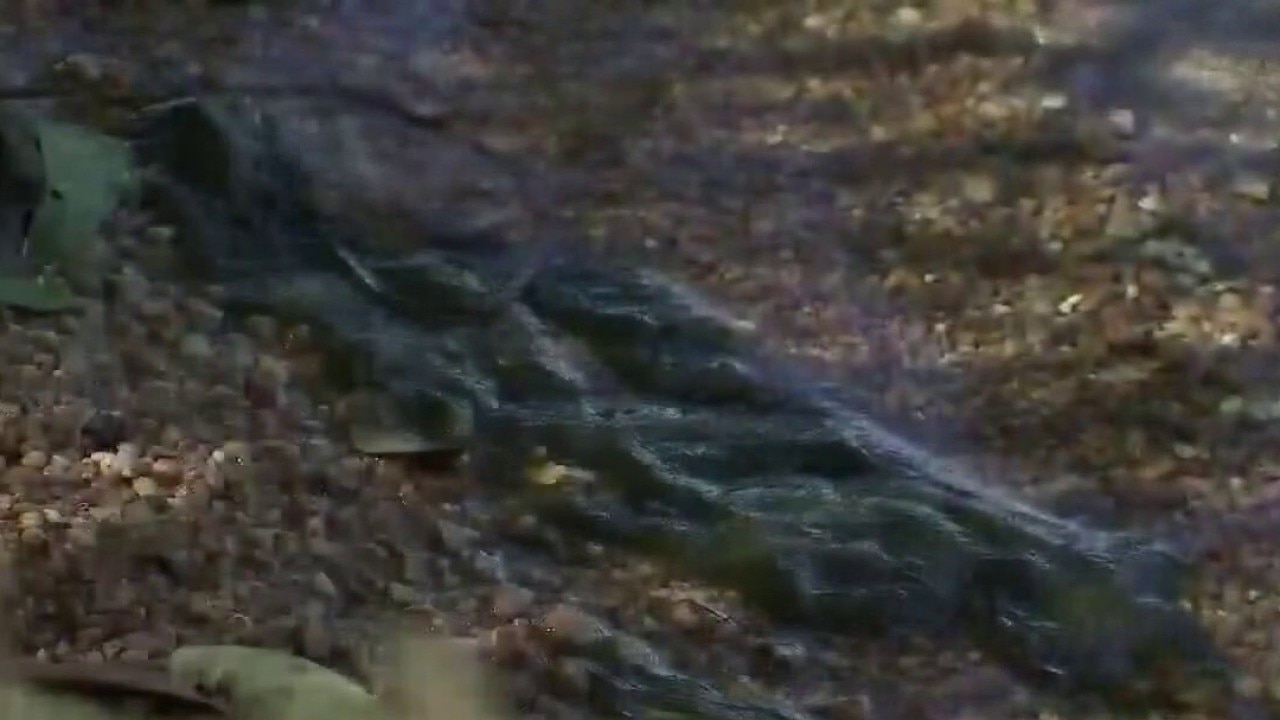
Cyanobacteria, or blue-green algae, is dangerous to humans, but especially harmful to dogs.
Officials say the mats of blue-green algae present at Red Bud Isle are similar in appearance to conditions in May and June in previous years.
As the weather continues to heat up, conditions for algae will become more favorable, and Austin Watershed Protection says it expects to see more in our waterways.
What you can do:
Community members should be cautious and avoid contact with algae. They should keep dogs away from water with algae mats.
The mats usually look like dark blobs floating on the surface and can be mixes of different kinds of algae. They may be mixed in with aquatic vegetation.
Austin Watershed Protection offers the following advice:
Assess Before You Enter Waterways
If any of the following conditions are present, stay out of the water. They could indicate reduced water quality.
- Algae along the shoreline
- Stagnant, warm or murky water
- Scum or surface film
- In addition, do not enter the water if there has been rain in the past three days.

Treating toxic algae at Lady Bird Lake
If you noticed the water in Lady Bird Lake looks a bit cloudy, that's because the city is treating toxic blue-green algae. That algae, called cyanobacteria, has killed several dogs over the past few years.
After Entering the Water
- Do not drink water directly from natural water bodies
- Avoid contact with algae
- Rinse skin, hair, and animal fur thoroughly after contact with water
- Do not allow pets to lick their fur before rinsing them off
If you or your pet experiences sudden, unexplained illness after swimming, contact your medical provider or veterinarian immediately. Residents are encouraged to report suspected human or animal illnesses related to algae using the city’s online reporting form.
Biologist speaks on blue-green algae
What they're saying:
Biologist Dr. Brent Bellinger, with Autin Watershed Protection, said the substance, which should not be touched, is coarse and can appear as a clump of horsehair.
"You can kind of see it near the margins growing off of rocks, growing off tree branches and limbs. And then also, sometimes as spires," said Bellinger.
The large patches of debris that can be seen on top of the water are not examples of blue-green algae. Although it can attach to the soggy mass, which is why those patches should be avoided.
"There's actually probably three different plant species that are growing out there. There is green algae, there are diatoms, and there's blue-green algae. It's a mixed consortium of an of things that are out here," said Ballinger.
Past outbreaks of blue-green algae were linked to the deaths of several dogs that went into the water.
A spot treatment to clear out the blue algae is not being done. That’s because the city is monitoring a mitigation pilot program that started five years ago, involving a special mixture of clay that was put into the lakes.
"Now with this year, we can look at, okay, the algae is back, what are those dynamics through the summer, you know, so we can make our recommendations for the future of, do we continue at the same level of treatment? Is it possible to scale it back? Do we need to pair that with something else? Do we need to manage something besides the phosphorus out here?" said Bellenger.
What's next:
There are six monitoring stations on Lady Bird Lake and Lake Austin. A new round of testing is going to be done later this month. At that time, we may get a better idea if the mitigation clay will slow the growth or if the algae bloom will grow with the summer heat.
Currently, there are no reports of illnesses directly linked to the new growth, and there are no plans to close the lakes.
Dig deeper:

Lady Bird Lake algae treatment
The City of Austin is continuing its efforts towards reducing toxic algae in Lady Bird Lake with crews applying lanthanum modified clay Monday morning.
For the past five years, Austin Watershed Protection says it has applied lanthanum-modified clay to manage sediment phosphorus in an effort to reduce the growth of algae as part of a $1.5 million pilot program.
Officials say this year is a control year with no application so they can evaluate the effectiveness of the pilot program and whether it is beneficial to continue investing public funds at the previous level.
Algae is not the only risk when spending time on Austin’s waterways, Austin Watershed Protection reminds people. Natural water bodies can contain algae, bacteria, parasites, and other hazards.
Austin Watershed Protection monitors the water quality in our lakes and creeks to understand how the urban environment affects our water bodies and to develop effective policies to protect them. It says it does not regularly test water in our creeks and lakes for recreational use.
The Source: Information from Austin Watershed Protection and interviews conducted by FOX 7 Austin's Rudy Koski